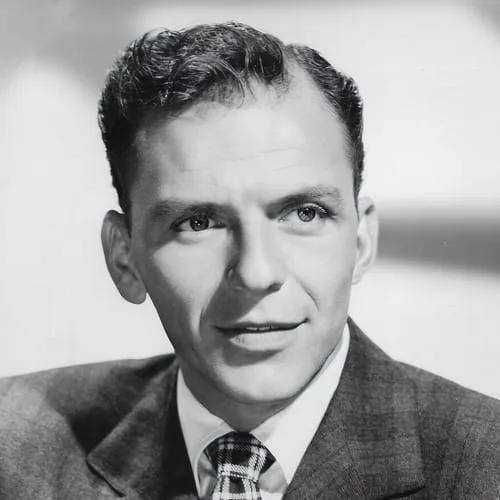
Frank Sinatra was far more than just a singer - he was a multimedia phenomenon who revolutionized entertainment, with radio playing a crucial role in his early career. From humble beginnings in Hoboken, New Jersey, Sinatra would become one of the most influential performers of the 20th century, with radio serving as his initial launching pad to national stardom.
Early Days and Radio Beginnings
Sinatra's radio journey began in the mid-1930s, when he first appeared on the Hoboken Four radio show. His early performances on local stations like WNEW and WAAT in Jersey City marked the beginning of his broadcasting career. By 1942, Sinatra had already made a significant impact, being named the "Most Popular Male Vocalist on Radio" in a DownBeat poll. A pivotal moment in his radio career came when he hired arranger Axel Stordahl away from Tommy Dorsey, ensuring high-quality musical arrangements for his radio programs. Sinatra quickly became a radio star, hosting his own shows on networks like CBS and NBC from the early 1940s to the mid-1950s.
Pioneering Radio Performance and Collaboration
Sinatra's radio work was characterized by innovative collaborations and versatile performances. He frequently worked with other popular performers, appearing as a guest on various shows and participating in USO broadcasts to entertain troops. His radio presence was so dynamic that he had two significant stints on the Chesterfield Supper Club, first from 1943 to 1945 and then from 1946 to 1949. In September 1949, Sinatra began a unique radio series for Lucky Strike called Light Up Time, which featured 176 fifteen-minute shows where he sang alongside other performers. This period demonstrated his ability to adapt to different radio formats and maintain audience engagement.
Transition to Television and Broader Media
While radio was crucial to his early success, Sinatra gradually expanded into television. In October 1951, he began his television journey, though he never felt entirely comfortable in the medium. His television specials, including his fourth and final CBS special in 1960 where he performed a memorable duet with Elvis Presley, showcased his continued relevance. Sinatra's radio and television work was part of a broader multimedia career that included film, recording, and live performances. His ability to transition between media platforms set him apart from many of his contemporaries.
Legacy in Broadcasting
Sinatra's impact on radio and broadcasting was profound. He wasn't just a performer but a cultural icon who transformed how music was presented and consumed. His precise diction, impeccable timing, and ability to tell stories through music made him a revolutionary broadcaster. By the end of his career, Sinatra had become more than just a singer - he was a multimedia phenomenon who had redefined entertainment across multiple platforms. His radio work laid the foundation for his later success, demonstrating his extraordinary talent and adaptability.
Works and Appearances
Radio
- Hoboken Four Radio Show (1935)
- WNEW and WAAT Jersey City Performances
- Chesterfield Supper Club (1943-1945, 1946-1949)
- Light Up Time for Lucky Strike (1949-1950)
- Various CBS and NBC Radio Programs (Early 1940s-Mid 1950s)
Television
- The Frank Sinatra Show (1957-1958)
- Multiple TV Specials (1960-1965)
- Ol' Blue Eyes Is Back Special (1973)
Film
- Anchors Aweigh (1945)
- From Here to Eternity (1953)
- The Man with the Golden Arm (1955)
- Tony Rome (1967)
Frank Sinatra's journey from local radio performer to international multimedia star remains an unparalleled story of talent, perseverance, and transformative artistic vision.