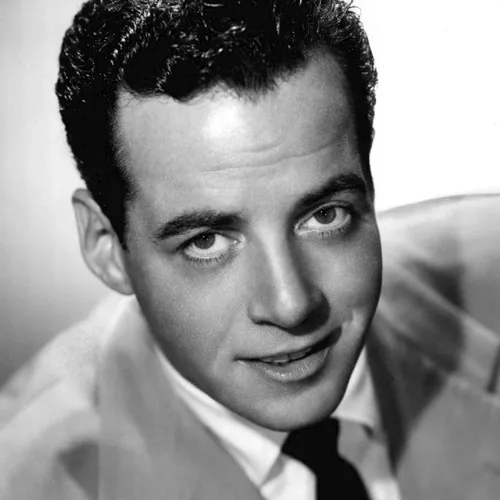
In the pantheon of mid-20th century radio performers, few names shine as brightly as Gerald Mohr, a versatile actor whose resonant voice and dynamic performances captivated audiences across multiple media platforms. From hard-boiled detective dramas to comedy shows, Mohr's remarkable career spanned radio, film, and television, making him one of the most ubiquitous performers of his era.
Early Life and Dramatic Beginnings
Born on June 11, 1914, in New York City, Gerald Mohr emerged from a family with artistic roots. His mother, Henrietta Neustadt, was a singer, which likely influenced his early appreciation for performance. Mohr's education in Manhattan was comprehensive, teaching him not just academic skills but also cultivating talents that would serve his future career. He learned to speak French and German, rode horses, and developed piano skills - a diverse background that would prove invaluable in his entertainment career. Interestingly, Mohr's path to radio was somewhat serendipitous. While studying to become a doctor, he was hospitalized and encountered another patient who recognized the potential in his distinctive voice. This chance encounter led to his first radio job as a junior reporter, marking the beginning of an extraordinary broadcasting journey.
Radio: The Golden Years of Performance
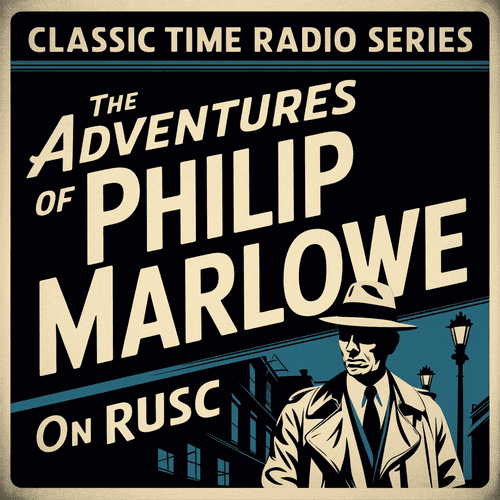
Mohr quickly became a radio sensation, earning widespread recognition for his versatility. In 1949, Radio and Television Life magazine named him the Best Male Actor on Radio, a testament to his extraordinary talent. His most iconic radio role was portraying Raymond Chandler's Philip Marlowe from 1948 to 1951, starring in 119 half-hour radio plays that solidified his reputation as a master of the hard-boiled detective genre. Beyond detective narratives, Mohr's radio repertoire was impressively diverse. He appeared in numerous shows including The Jack Benny Program, Crime Is My Pastime, and was a narrator for Woman from Nowhere. His ubiquity in radio was such that he seemed to be everywhere, lending his distinctive voice to multiple anthology series and dramatic productions.
Expanding Horizons: Film and Television
While radio remained his primary medium, Mohr successfully transitioned into film and television. During World War II, he served in the military before returning to Hollywood, where he starred in several film series, including The Lone Wolf movies. His film career included supporting roles in classics and numerous genre productions, showcasing his adaptability as an actor. Television became another significant platform for Mohr. He guest-starred in over 100 television shows, including westerns like Maverick, crime dramas, and comedy series. Notable appearances included Perry Mason, The Twilight Zone, and I Love Lucy. His voice work continued to be prominent, voicing characters in animated series like The Fantastic Four.
Legacy and Final Years
In his later years, Mohr continued to innovate. In 1964, he and his wife Mai planned an international film company in Stockholm, demonstrating his entrepreneurial spirit. By then fluent in Swedish, he even planned a television pilot entirely in Swedish. Tragically, Mohr's promising plans were cut short when he died of a heart attack on November 9, 1968, in Stockholm, Sweden, at just 54 years old.
Works and Appearances
Radio
- Philip Marlowe (1948-1951) - Lead Role
- The Jack Benny Program - Various Appearances
- Crime Is My Pastime - Multiple Roles
- Woman from Nowhere - Narrator
Television
- Maverick (1957-1962) - Multiple Guest Roles
- Perry Mason (1961-1966) - Multiple Guest Appearances
- I Love Lucy (1953) - Guest Appearance
- Foreign Intrigue (1954-1955) - Lead Role as Christopher Storm
Film
- The Lone Wolf Series (1946-1947) - Lead Role
- Various supporting roles in Hollywood productions (1939-1968)
Voice Acting
- The Fantastic Four (1967-1968) - Reed Richards
- Various animated series and narration roles
Gerald Mohr's legacy is that of a quintessential mid-century performer - versatile, prolific, and beloved across multiple entertainment mediums. His voice became the soundtrack of an era, bridging radio's golden age with television's emerging dominance.