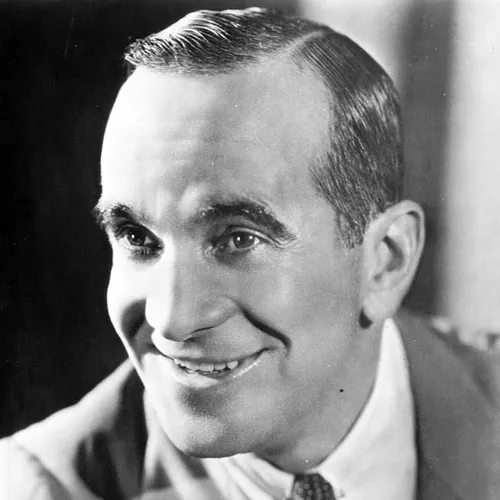
The Al Jolson Show was a long-running and immensely popular old-time radio series that featured the legendary entertainer Al Jolson as its star. Jolson, known as the “World’s Greatest Entertainer,” was a pioneering vaudeville performer, Broadway star, and one of the first major entertainers to transition to the new medium of sound films in the late 1920s.
The Al Jolson Show debuted in 1947 and ran for several seasons, showcasing Jolson’s unparalleled singing talent and larger-than-life stage presence. The program featured a mix of musical numbers, comedy sketches, and guest appearances from other stars of the era. Jolson’s signature songs, such as “Mammy,” “Swanee,” and “Rock-a-Bye Your Baby with a Dixie Melody,” were staples of the show, and his energetic performances captivated audiences across the country.
Jolson’s unique vocal style, which blended elements of jazz, blues, and traditional Jewish cantorial music, made him a one-of-a-kind performer. His use of blackface makeup, a controversial but common practice in the entertainment industry at the time, added to the showmanship and theatricality of his performances. Despite the racial insensitivity of this practice, Jolson’s artistry and charisma transcended the racial boundaries of the era, and he became a beloved figure to audiences of all backgrounds.
The Stars
Al Jolson was the undisputed star of The Al Jolson Show, and his larger-than-life persona and unparalleled vocal talents were the driving force behind the program’s success. Jolson had been a major star in vaudeville, Broadway, and early sound films, and his transition to radio allowed him to showcase his talents to an even wider audience.
While Jolson was the central figure, the show often featured guest appearances from other notable entertainers of the era, including comedians, actors, and musicians. These guest stars would often join Jolson in musical numbers or comedy sketches, adding to the variety and excitement of the program.
Key Dates
The Al Jolson Show debuted in 1947 and ran for several seasons, becoming one of the most popular and long-running old-time radio series of the era. The show’s debut came at a pivotal moment in Jolson’s career, as he had recently returned to the spotlight following a successful comeback in the 1946 film The Jolson Story.
The show’s final episode aired in 1950, shortly before Jolson’s untimely death. During its run, The Al Jolson Show maintained a loyal following and consistently high ratings, cementing Jolson’s status as one of the most beloved and iconic entertainers of his time.
Other Information
In addition to his work on The Al Jolson Show, Jolson was a prolific performer in other media, including vaudeville, Broadway, and early sound films. He starred in several successful films in the late 1920s and 1930s, including The Jazz Singer, The Singing Fool, and Mammy, which helped to establish him as a major star and one of the first true multimedia entertainers.
Jolson’s legacy extended beyond his own career, as he inspired and influenced countless other performers who followed in his footsteps. Singers and entertainers such as Bobby Darin, Neil Diamond, and Jerry Lee Lewis cited Jolson as a major influence and inspiration, and his impact on the development of American popular music and entertainment is widely recognized.
Jolson’s dedication to entertaining American troops during World War II and the Korean War also cemented his status as a patriotic and beloved figure. He was the first entertainer to perform for troops overseas during World War II, and his tireless efforts to boost morale and provide comfort to wounded soldiers earned him widespread admiration and respect.
After his death in 1950, Jolson’s legacy continued to be celebrated and honored. He was inducted into the American Theater Hall of Fame, and in 1994, the U.S. Postal Service issued a commemorative stamp in his honor. Jolson’s unique style, showmanship, and enduring popularity have ensured that he remains one of the most iconic and influential entertainers in the history of American popular culture.