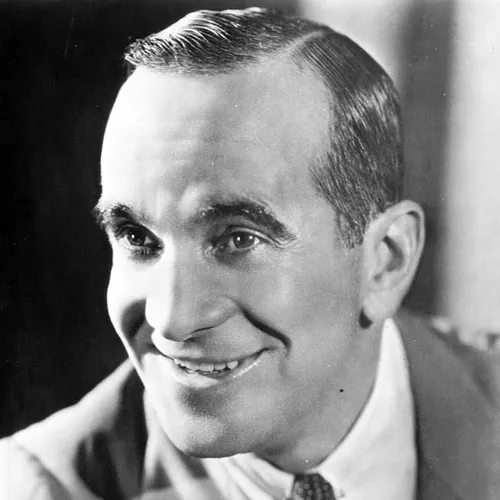
Al Jolson was more than just a performer; he was a transformative force in early 20th-century entertainment who revolutionized radio broadcasting and set the stage for future generations of performers. Known as "The World's Greatest Entertainer," Jolson's dynamic personality and groundbreaking approach to performance made him a pivotal figure in the evolution of American popular culture.
From Immigrant Roots to Stardom
Born Asa Yoelson in 1886 in Lithuania, Jolson's journey to becoming a radio and entertainment icon began with humble immigrant origins. His family arrived in the United States in 1894, settling in Washington, D.C. After losing his mother at a young age, Jolson and his brother Hirsch began performing on street corners, using the names "Al" and "Harry" to earn money and buy theater tickets. Jolson's early career was marked by his work in vaudeville and minstrel shows, where he pioneered a unique performance style that would later define his radio presence. By 1911, he had become a Broadway sensation, captivating audiences with his energetic performances and distinctive singing voice.
Radio: Pioneering a New Medium
Jolson was a radio pioneer from its earliest days, becoming a popular guest star and eventually hosting his own shows. In January 1928, he made a groundbreaking radio broadcast from New Orleans, reaching an astounding 35 million listeners across 47 radio stations. His radio shows in the 1930s, including Presenting Al Jolson and The Lifebuoy Program, showcased his ability to connect intimately with audiences through the new medium. From 1947 to 1949, Jolson co-hosted a highly successful radio program, demonstrating his continued relevance in the entertainment world. His popularity was so enduring that he was voted the "Most Popular Male Vocalist" in 1948 and named "Personality of the Year" by the Radio Editors of America.
Performance Style and Cultural Impact
What set Jolson apart was his electrifying performance style. Bing Crosby, a contemporary performer, described Jolson's unique ability to "elevate an audience immediately," noting that within the first eight bars of a song, Jolson would have the audience "in the palm of his hand". His dynamic and passionate singing approach was revolutionary, though it would eventually be eclipsed by the more intimate styles of later performers. Jolson was also notable for his complex relationship with African American culture. While performing in blackface—a practice now recognized as deeply problematic—he was surprisingly progressive for his time. He advocated for Black performers, promoted plays with all-Black casts, and was often appreciated by the Black community for his efforts to bring their musical traditions to wider audiences.
War Efforts and Later Career
During World War II, Jolson became a pivotal entertainment figure for American troops. He was the first star to entertain troops overseas, performing in challenging conditions and demonstrating remarkable dedication. In 1950, despite being in his sixties and having previously lost a lung, he again volunteered to entertain troops in Korea, performing 42 shows in 16 days. His final years were marked by a remarkable career resurgence, including biographical films like The Jolson Story (1946) that celebrated his life and introduced him to a new generation. Tragically, he passed away in October 1950, shortly after returning from entertaining troops in Korea.
Legacy and Lasting Influence
Al Jolson's impact on entertainment was profound. He helped introduce African American musical innovations like jazz and blues to white audiences, paved the way for future performers, and was a crucial bridge in American cultural development. Numerous artists, from Eddie Fisher to Neil Diamond, cited Jolson as a significant inspiration.
Works and Appearances
Radio
- Presenting Al Jolson (1932)
- The Lifebuoy Program (1935)
- Radio Program Co-Host (1947-1949)
Films
- The Jazz Singer (1927)
- The Singing Fool (1928)
- Mammy (1930)
- The Jolson Story (1946)
- Jolson Sings Again (1949)
Theater
- La Belle Paree (1911)
- Vera Violetta (1911)
- Bombo (1921-1923)
Al Jolson was more than an entertainer; he was a cultural phenomenon who helped shape the landscape of 20th-century American entertainment, leaving an indelible mark on radio, film, and music.