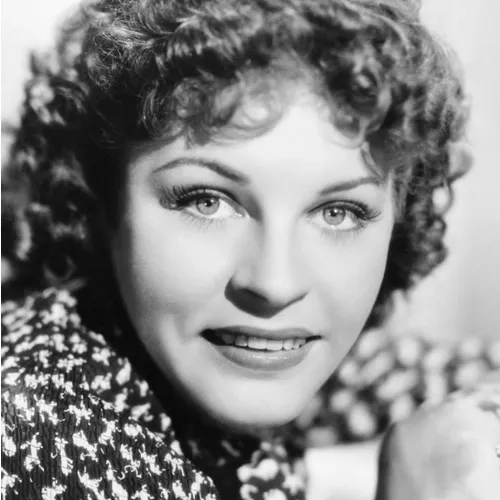
Martha Raye
Martha Raye was a dynamic performer whose infectious energy and distinctive comedic style made her a beloved figure across multiple entertainment mediums. Known affectionately as "The Big Mouth," she carved out a remarkable career that spanned radio, film, television, and live performances, becoming one of the most versatile entertainers of her generation.
Early Years and Musical Beginnings
Born Margy Reed on August 27, 1916, in Butte, Montana, Martha Raye emerged from a family with deep roots in entertainment. Her parents, Peter F. Reed Jr. and Maybelle Hazel Hooper, were performers themselves, working in local theater as a musical duo. This theatrical background would prove instrumental in shaping young Martha's future career. In the early 1930s, Raye began her professional journey as a vocalist, performing with Paul Ash and other orchestras. Her powerful voice and comedic talents quickly set her apart from other singers of the era. Her early work in musical ensembles provided the perfect training ground for her future radio and entertainment career.
Radio and Performance Breakthrough
Martha Raye's radio career took off in the mid-1930s, marking her transition from a musical performer to a multifaceted entertainment personality. From 1936 to 1939, she became a featured cast member on Al Jolson's weekly CBS radio show, The Lifebuoy Program, also known as Cafe Trocadero. During these broadcasts, she not only showcased her comedic abilities but also demonstrated her musical prowess, performing solos and duets with Jolson. Her distinctive vocal style and larger-than-life personality, which earned her the nickname "The Big Mouth," became her trademark. Radio audiences were captivated by her energetic performances and unique comedic timing. Her ability to seamlessly blend music and comedy made her a sought-after performer across various entertainment platforms.
Expanding Horizons: Film and Television
While radio was a significant part of her career, Martha Raye's talents extended far beyond audio broadcasting. She appeared in numerous films throughout the 1930s and 1940s, working alongside many of the era's leading comedic talents. Her film career included memorable roles in movies like Hellzapoppin' and Four Jills in a Jeep. Television also became a prominent medium for Raye. She starred in her own show, The Martha Raye Show, which ran from 1954 to 1956. Though short-lived, the program demonstrated her ability to translate her dynamic radio persona to the visual medium. She continued to make television appearances throughout the following decades, showcasing her remarkable versatility.
Patriotic Service and Legacy
Beyond entertainment, Martha Raye was renowned for her extraordinary commitment to supporting American troops. She joined the United Service Organizations (USO) in 1942, shortly after the United States entered World War II. Her dedication to entertaining and supporting service members was so profound that she was honored with an honorary colonel status in both the U.S. Marines and U.S. Army. In 1969, she received the Jean Hersholt Humanitarian Award, recognizing her significant contributions both to entertainment and to her country. President Bill Clinton later awarded her the Presidential Medal of Freedom in 1993, praising her courage, patriotism, and tireless efforts to uplift the spirits of American servicemen and women.
Works and Appearances
Radio
- The Lifebuoy Program (1936-1939) - Featured performer and comedian
Film
- Rhythm on the Range (1936)
- Hellzapoppin' (1941)
- Four Jills in a Jeep (1944)
- Monsieur Verdoux (1947)
Television
- The Martha Raye Show (1954-1956)
- McMillan & Wife (1979-1984) - Carrie Sharples
- Various guest appearances on variety shows
Stage
- Broadway performances in Hello, Dolly! (1972)
- Pippin (1981)
- 4 Girls 4 (1982)
Martha Raye passed away on October 19, 1994, leaving behind a legacy as a pioneering entertainer who brought joy, laughter, and hope to millions through her remarkable performances and humanitarian efforts.