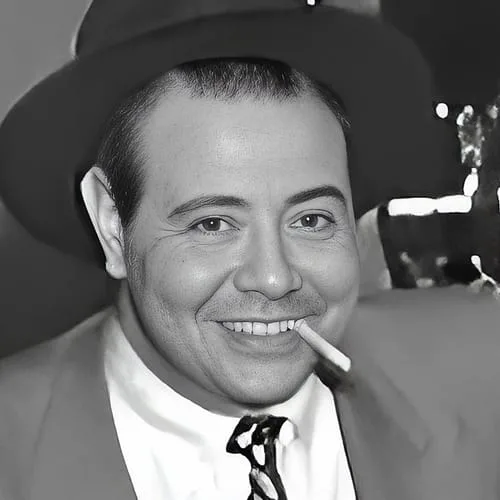
In the vibrant landscape of mid-20th century broadcasting, few voices were as versatile and ubiquitous as Jackson Beck. A master of vocal performance, Beck became a quintessential figure in radio, animation, and advertising, whose deep, resonant voice brought countless characters and narratives to life during the golden age of entertainment.
Early Life and Radio Beginnings
Born on July 23, 1912, in New York City, Jackson Beck was destined for a career in performance. His father, Max Beck, was an actor in silent films and on stage, which likely influenced Jackson's early career trajectory. Growing up in a theatrical family, Beck quickly developed an appreciation for vocal performance and storytelling. Beck's radio career began in the early 1930s, working at various New York City radio stations. His breakthrough came in 1931 when he started working on multiple radio programs, gradually establishing himself as a versatile voice actor. By 1934, he was already making significant strides, serving as the announcer for The Adventures of Babe Ruth.
Iconic Radio Performances
Beck's most legendary radio work came with Superman, where he famously intoned the iconic prologue: "strange visitor from another planet..." In 1943, he became the narrator for the Superman radio series, cementing his place in broadcasting history. Beyond Superman, Beck demonstrated remarkable range, impersonating world leaders for news radio series and starring in various dramatic roles. His radio repertoire was impressively diverse. He portrayed Bruce Wayne's butler in Superman episodes, played Beany Martin as a teenage copy boy, and starred as Cisco Kid from 1942 to 1945. Beck also appeared in detective series and dramatic anthologies, showcasing his incredible vocal flexibility.
Animation and Voice Acting Legacy
Beck's talents extended far beyond radio. He became a prolific voice actor in animation, particularly with Famous Studios in the mid-1940s. His most memorable animated roles included voicing Bluto in Popeye cartoons, the fox in various cartoon series, and Buzzy the Crow. Notably, he used a black dialect for Buzzy, reflecting the complex racial dynamics of mid-20th century entertainment. In television and film, Beck continued to make his mark. He portrayed characters in animated series, dubbed voices in films like Sergio Leone'sThe Good, the Bad and the Ugly, and even narrated comedy films. His versatility allowed him to transition seamlessly between different media platforms.
Commercial Success and Later Career
Beck was unapologetically pragmatic about his craft. In a candid 1990 interview, he stated, "My job is to sell a carload of whatever the hell it is... I'm an advertising man, and I treat my voice as a business." This approach made him a sought-after pitchman for numerous products, from roach killer to shampoo. His commercial work was extensive, including network TV promos, movie trailers, and advertisements. Beck's final commercial was for Infusium Shampoo, capping off a career that spanned over seven decades. He continued working until near the end of his life, with his last voice role in an animated production in 2004.
Legacy and Final Years
Jackson Beck passed away on July 28, 2004, just five days after his 92nd birthday, leaving behind an unparalleled legacy in broadcasting. He was buried in Brooklyn's Mount Hope Cemetery, having touched multiple generations through his extraordinary vocal performances.
Works and Appearances
Radio
- The Adventures of Superman (Narrator, 1943)
- Cisco Kid (Star, 1942-1945)
- Beany Martin (Character roles)
Television
- Tom Corbett, Space Cadet (Announcer, first season)
- Various animated series narrator roles
Animation Voice Work
- Popeye cartoons (Bluto)
- Various Famous Studios cartoon characters
- Cisco Kid TV series (1960s)
Film
- The Good, the Bad and the Ugly (English voice dubbing, 1966)
- Radio Dinner (Comedy album appearance, 1972)
Commercials
- Numerous product advertisements from 1940s-2000s
- Final commercial: Infusium Shampoo
Jackson Beck's career exemplified the golden age of radio and voice acting, demonstrating how a single talented performer could shape the soundscape of an entire era.