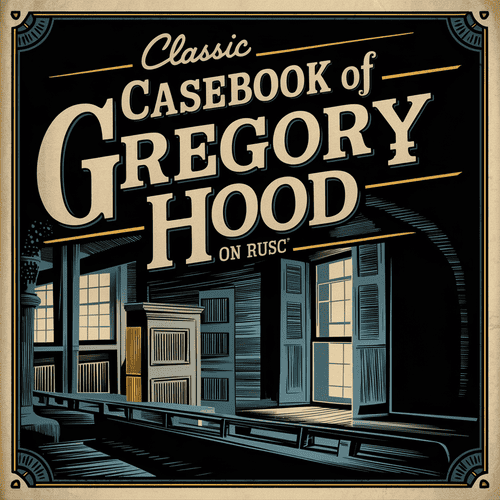
The Casebook of Gregory Hood was a captivating detective radio program that aired in the United States during the late 1940s. This mystery drama series followed the adventures of Gregory Hood, a San Francisco-based importer and amateur detective with a penchant for solving crimes linked to rare artifacts. The show blended elements of classic detective fiction with exotic locales and historical intrigue, offering listeners a unique and engaging experience.
Created by the prolific writing duo of Anthony Boucher and Denis Green, The Casebook of Gregory Hood originally debuted as a summer replacement for the popular The New Adventures of Sherlock Holmes series. However, its clever premise and engaging storytelling quickly earned it a devoted following, allowing it to continue beyond its initial run.
The series centered around Gregory Hood, a sophisticated and multi-talented protagonist who used his extensive knowledge of antiques, languages, and world cultures to unravel complex mysteries. Accompanied by his friend and sidekick, Sanderson “Sandy” Taylor, Hood’s investigations often began with the acquisition of a rare artifact for his import business, which invariably led to a present-day crime or mystery.
What set The Casebook of Gregory Hood apart from other detective shows of its time was its unique blend of historical intrigue and contemporary crime-solving. Each episode skillfully wove together elements of exotic locales, valuable artifacts, and modern-day mysteries, creating a rich tapestry of storytelling that captivated listeners’ imaginations.
The Stars
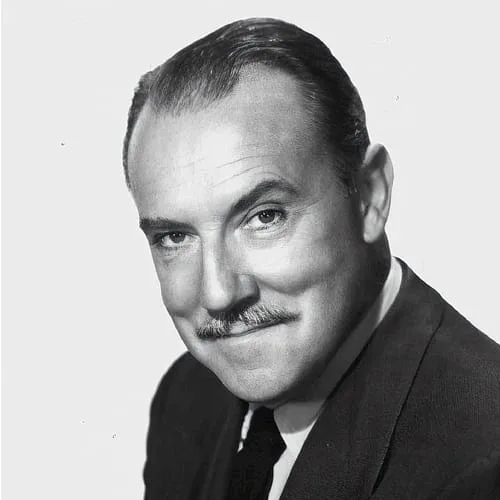
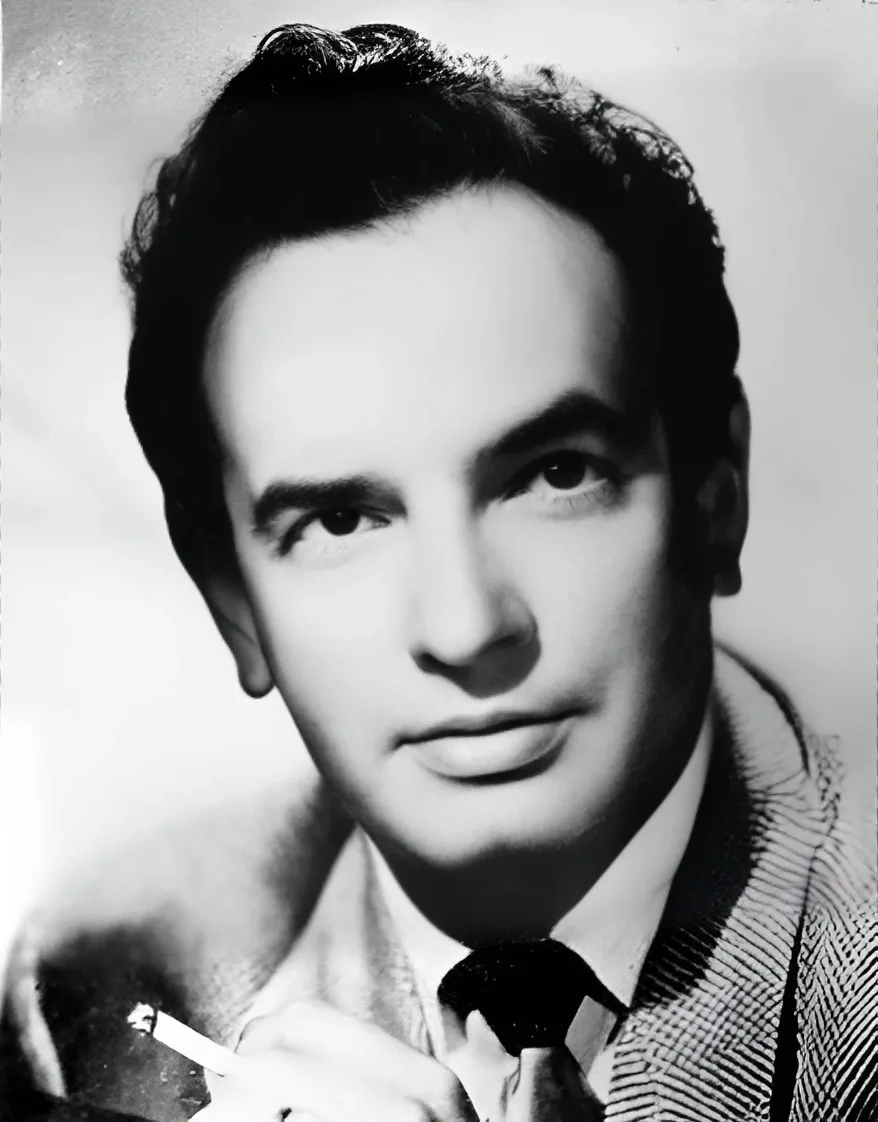
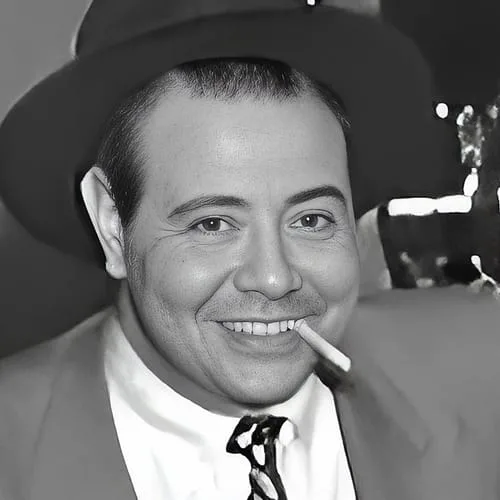
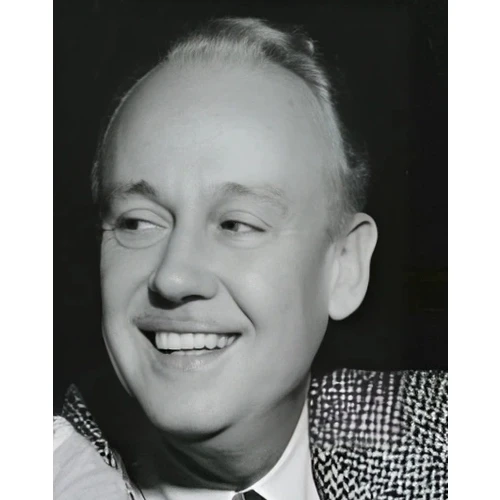
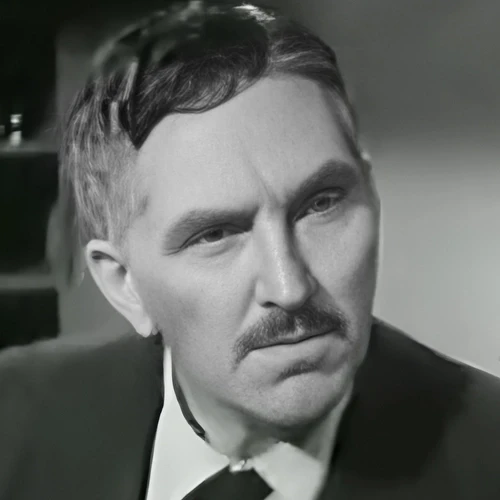
The role of Gregory Hood was portrayed by several talented actors throughout the show’s run, each bringing their own unique interpretation to the character. Gale Gordon, known for his work in radio comedy, was the first to take on the role of Hood when the series debuted. His portrayal set the initial tone for the character, establishing Hood as a sophisticated and intelligent sleuth.
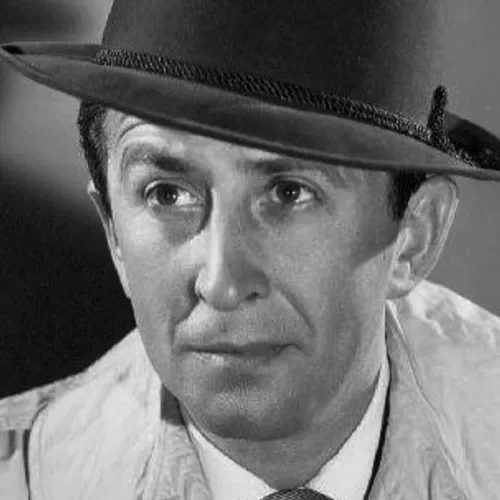
Following Gordon, the role was taken up by Elliott Lewis, a versatile radio actor and producer. Lewis brought a new energy to the character, further developing Hood’s persona as a worldly and cultured detective. Other notable actors who stepped into the shoes of Gregory Hood included Jackson Beck, Paul McGrath, Martin Gabel, and George Petrie. Each of these performers contributed to the evolution of Hood’s character, maintaining the core essence of the sophisticated detective while adding their own nuances.
The role of Sanderson “Sandy” Taylor, Hood’s loyal friend and sidekick, was also played by various actors throughout the series. Art Gilmore, Carl Harbord, William Bakewell, and Howard McNear all took turns bringing Sandy to life, providing the perfect foil for Hood’s deductive brilliance.
Key Dates
- June 3, 1946: The Casebook of Gregory Hood made its debut on the Mutual Broadcasting System as a summer replacement for The New Adventures of Sherlock Holmes.
- Fall 1946: Despite being initially planned as just a summer series, the show’s popularity led to its continuation into the regular fall season.
- 1949-1950: The program had a full-season run on ABC, further cementing its place in the landscape of American radio drama.
- 1950: The final episode of the regular series aired, marking the end of its consistent run.
- Throughout its broadcast history, The Casebook of Gregory Hood also appeared periodically in summer slots, keeping the character and concept alive in the minds of radio audiences.
Other Information
Inspiration: The character of Gregory Hood was based on a real-life figure, Richard Gump, a San Francisco importer. Gump’s expertise and experiences in the world of rare artifacts and antiques provided a rich source of inspiration for the show’s creators. Interestingly, Gump himself served as a consultant for the program, lending an air of authenticity to the stories and settings.
Character Depth: Gregory Hood was portrayed as a man of many talents, which added depth to his character and provided various angles for storytelling. He was described as an accomplished pianist and composer, a self-taught forensics expert, and fluent in several languages. His expertise extended to ancient and modern armaments, and he had a background in military intelligence. Hood was also portrayed as a wine connoisseur with an extensive rare wine cellar and an acknowledged expert in oriental tapestry. This wide range of skills and knowledge allowed the writers to craft diverse and intriguing storylines.
Setting: The show was primarily set in San Francisco, with Hood residing in a penthouse on the city’s famous Nob Hill. This setting provided a glamorous backdrop for the mysteries and allowed for interesting local color to be woven into the stories. The series also featured Hood’s Chinese valet, Fong, adding another layer of cultural intrigue to the show’s atmosphere.
Narrative Structure: The Casebook of Gregory Hood employed a narrative technique reminiscent of classic literature. Each episode was framed as a story being recounted by Hood to a visitor, usually the announcer Harry Bartell. This storytelling device, similar to that used in The Arabian Nights and other classic works, added an extra layer of intrigue and allowed for more detailed descriptions of events and settings.
Sponsorship: The show was sponsored by Petri Wine, a common sponsor for mystery programs of the era. This sponsorship likely influenced some of the wine-related elements in Hood’s character background.
Legacy: In 2009, Crippen & Landru Publishers released a volume in their Lost Classics Series dedicated to The Casebook of Gregory Hood. This book contained 14 scripts from the series, allowing modern readers to experience the clever plotting and dialogue that made the show a success.
Cultural Impact: While The Casebook of Gregory Hood may not have achieved the long-lasting fame of some other radio detective series, it represented an important evolution in the genre. By blending elements of traditional detective stories with exotic locations and historical artifacts, it paved the way for future mystery series that would incorporate similar elements of international intrigue and historical context.
The show’s unique premise, combining rare artifacts with modern mysteries, demonstrated the radio medium’s ability to transport listeners to exotic locales and different time periods, all within the framework of a detective story. This blend of education and entertainment was a hallmark of many successful radio programs of the era, and The Casebook of Gregory Hood executed this combination particularly well.
Despite its relatively short run, The Casebook of Gregory Hood left an indelible mark on the landscape of radio detective dramas. Its sophisticated protagonist, intriguing mysteries, and blend of historical and contemporary elements created a unique listening experience that continues to captivate old-time radio enthusiasts to this day.