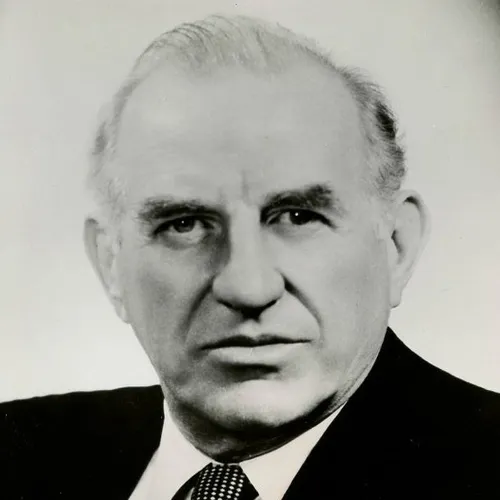
In the golden age of radio, few performers could match the versatility and talent of Ed Begley. A consummate character actor whose career spanned multiple media, Begley became a distinctive voice in entertainment, leaving an indelible mark on radio, stage, and screen during mid-20th century America.
Early Life and Humble Beginnings
Born on March 25, 1901, in Hartford, Connecticut, Edward James Begley emerged from humble immigrant roots. His parents, Hannah and Michael Joseph Begley, were Irish immigrants who likely instilled in their son a strong work ethic. Begley's childhood was far from conventional; he dropped out of school as a fifth-grader and frequently ran away from home, working odd jobs at carnivals, fairs, and small circuses. His early professional experiences were diverse, including selling brushes and delivering milk. When World War I arrived, Begley served four years in the military, an experience that would shape his resilience and character. These formative years taught him adaptability—a skill that would serve him well in his future entertainment career.
Breaking into Radio and Performance
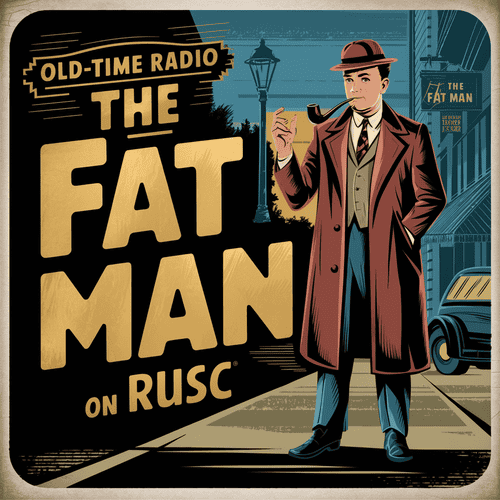
Begley's entertainment journey began remarkably early. As a teenager, he started working as a stage and radio actor, making his Broadway debut in a hit musical in 1917 and performing in London the following year. His radio work quickly became extensive and varied, with roles that showcased his remarkable range. Throughout the 1940s and early 1950s, Begley became a familiar voice in numerous radio programs. He portrayed Sgt. O'Hara in The Fat Man, played Lieutenant Walter Levinson in a Manhattan homicide radio program, and even took on the role of Charlie Chan in the popular mystery series. His ability to inhabit different characters made him a sought-after radio performer.
Expanding to Film and Television
While radio was his initial medium, Begley's talents soon translated to film and television. In the late 1940s, he began appearing regularly in supporting film roles, gradually building a reputation as a versatile character actor. His breakthrough came with Sweet Bird of Youth in 1962, for which he won the Academy Award for Best Supporting Actor. Begley's television work was equally impressive. He appeared in numerous shows including Kraft Television Theatre, Route 66, and Inherit the Wind, where he was nominated for a Primetime Emmy Award for his portrayal of Matthew Harrison Brady. His performances were consistently nuanced, bringing depth to every character he portrayed.
Legacy and Personal Life
Beyond his professional achievements, Begley was a complex individual. He was married three times, with his first wife Amanda Huff passing away in 1957. He was the father of Ed Begley Jr., who would become a notable environmental activist. Tragically, Begley's own life was cut short when he died of a heart attack on April 28, 1970, while attending a party. Begley's legacy extends beyond his numerous awards and memorable performances. He represented a generation of performers who seamlessly transitioned between radio, stage, and screen, embodying the versatility of mid-20th century entertainment.
Works and Appearances
Radio
- Charlie Chan (1944-1948) - Charlie Chan
- The Fat Man (1946-1951) - Sgt. O'Hara
- Richard Diamond, Private Detective (1949-1953) - Lt. Levinson
Television
- Kraft Television Theatre - Various roles
- Route 66 - Kyle Hawkes
- Inherit the Wind - Matthew Harrison Brady
- Gunsmoke - Jeb Crater
- Bonanza - Dan Tolliver/Clint Watson
Film
- 12 Angry Men (1957) - Juror #10
- Sweet Bird of Youth (1962) - Tom 'Boss' Finley
- The Unsinkable Molly Brown (1964) - Seamus Tobin
- Hang 'Em High (1968) - Captain Wilson
Theater
- Inherit the Wind (Broadway, 1956) - Matthew Harrison Brady
- Inherit the Wind (Tony Award for Best Featured Actor)