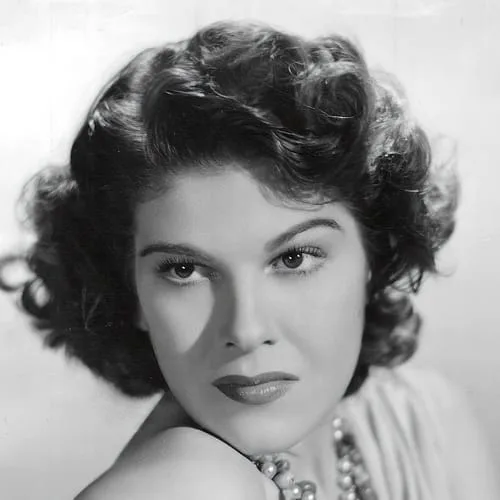
In the golden age of radio, few voices were as versatile and captivating as Betty Lou Gerson. A pioneering actress who seamlessly transitioned from radio waves to animated characters, Gerson became an iconic figure in mid-20th century entertainment. Her remarkable career spanned over six decades, leaving an indelible mark on broadcasting and animation history.
Early Life and Radio Beginnings
Born on April 20, 1914, in Chattanooga, Tennessee, Betty Lou Gerson was raised in Birmingham, Alabama, where her father worked as an executive in the steel industry. Her early education in private schools in Birmingham and Miami set the stage for her future career. At the age of 16, Gerson's family moved to Chicago, a pivotal moment that would launch her into the world of radio performance. In Chicago, Gerson quickly established herself in radio serials, becoming a prominent voice in the bustling broadcasting landscape of the 1930s. Her natural talent and versatile vocal range made her a sought-after performer in numerous radio programs. She became a mainstay of radio drama, appearing in popular shows like Arnold Grimm's Daughter, Midstream, Women in White, and Road of Life. Her ability to portray diverse characters, from romantic leads to dramatic roles, set her apart in a competitive industry.
Mastering the Airwaves
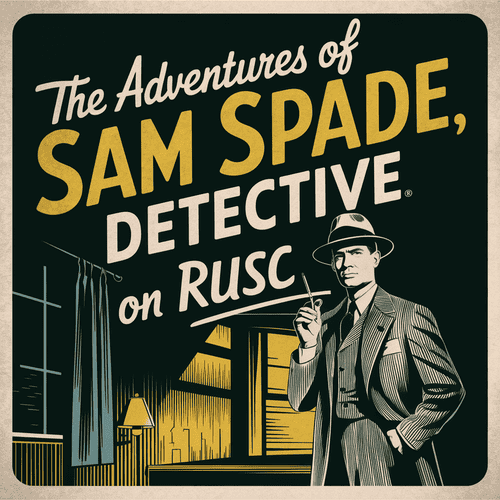
Throughout the late 1930s and 1940s, Gerson's career flourished across multiple radio genres. She co-starred in summer dramas like Win Your Lady and became a resident romantic lead in anthology series such as Grand Hotel. Her move to Los Angeles in the 1940s further expanded her opportunities, allowing her to appear in series like Yours Truly, Johnny Dollar and various dramatic productions. Gerson's versatility was remarkable. She could seamlessly transition between serious dramatic roles and comedic performances. In a notable example of her comic genius, she parodied her typical radio persona in a Sam Spade detective series episode called "The Soap Opera Caper" in 1951, showcasing her range and wit.
Transition to Animation and Film
While radio remained her primary medium, Gerson gradually expanded into other entertainment forms. In 1950, she was cast as the narrator for an animated production, marking her initial step into the world of animation. However, her most iconic role came in 1961 when she voiced Cruella de Vil in Disney's One Hundred and One Dalmatians, a character that would become synonymous with her name. Her on-camera film roles were limited but notable, including appearances in movies like Jet Attack (1958) and The Atomic Submarine (1959). She also made guest appearances on television shows such as Perry Mason, demonstrating her adaptability across different media platforms.
Later Life and Legacy
In 1936, Gerson married Joseph T. Ainley, a radio director, and remained married until his death in 1965. She later married Louis R. Lauria in 1966. Despite retiring in 1966, she continued occasional voice work. In a remarkable recognition of her contributions, she was honored as a Disney Legend in 1996. Gerson's final voice acting role came in 1997 when she voiced Frances in an animated production. Her legacy extends beyond her performances, representing a pivotal era in broadcasting and animation history. She passed away on January 12, 1999, in Los Angeles, leaving behind a rich and diverse body of work.
Works and Appearances
Radio
- Arnold Grimm's Daughter (1930s)
- Midstream (Lead role as Julia)
- Women in White (as Karen Adams)
- Road of Life (as Nurse Helen Gowan)
- Yours Truly, Johnny Dollar (Various roles)
Film
- Jet Attack (1958)
- The Atomic Submarine (1959)
- One Hundred and One Dalmatians (1961, Voice of Cruella de Vil)
- Frances (1997, Voice role)
Television
- Perry Mason (Guest appearances)
- Various anthology and dramatic series (1940s-1950s)
Betty Lou Gerson's career exemplifies the dynamic and transformative nature of mid-20th century entertainment, bridging radio's golden age with the emerging world of animated storytelling.