Les Misérables was a groundbreaking seven-part radio drama series that aired on the Mutual Broadcasting System from July 23 to September 3, 1937. This ambitious adaptation of Victor Hugo’s classic 1862 novel was a landmark achievement in radio drama, showcasing the immense talents of a young Orson Welles as writer, director, and star.
The series brought Hugo’s epic tale of redemption, justice, and social inequality in 19th century France to life for American radio audiences. Each 30-minute episode dramatized key portions of the sprawling novel, focusing on the story of ex-convict Jean Valjean and his lifelong struggle to escape his past and find redemption.
At just 22 years old, Orson Welles demonstrated his emerging genius by adapting Hugo’s massive work for radio, developing innovative narrative techniques, and starring as Jean Valjean. The series marked Welles’ debut as a writer-director for radio and laid the groundwork for his later groundbreaking work with the Mercury Theatre on the Air.
Welles’ Les Misérables was praised for its dramatic power and inventive storytelling, establishing him as a major creative force in the medium of radio drama.
The Stars
The production featured an all-star cast led by Orson Welles in the central role of Jean Valjean. Welles brought depth and gravitas to the character of the ex-convict seeking redemption, showcasing his commanding vocal presence and acting prowess.
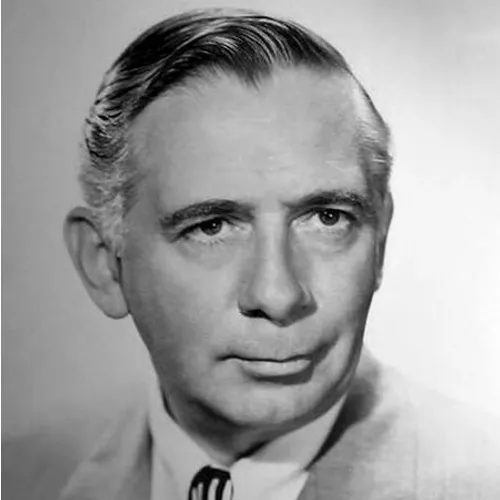
Martin Gabel co-starred as Inspector Javert, Valjean’s relentless pursuer. Gabel’s stern, authoritative performance provided a perfect foil to Welles’ more sympathetic Valjean.
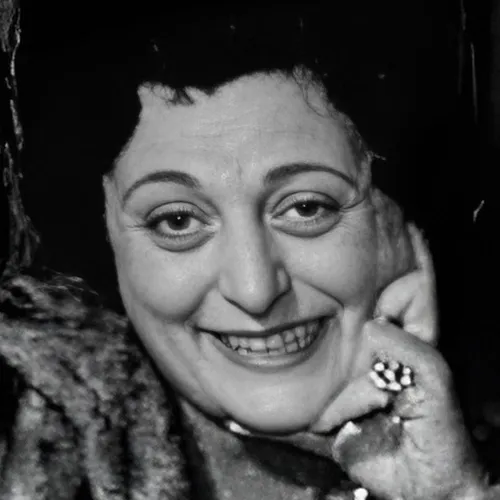
Alice Frost portrayed the tragic figure of Fantine, while Virginia Nicolson (Welles’ first wife) played the adult Cosette.
The supporting cast was filled out with talented radio actors who would go on to become regulars in Welles’ Mercury Theatre productions, including Ray Collins, Agnes Moorehead, and Everett Sloane.
Other notable cast members included Hiram Sherman, Frank Readick, Betty Garde, and William Alland. This assemblage of radio talent helped bring Hugo’s vast array of characters to vivid life for listeners.
Key Dates
- July 23, 1937: The series debuts with the episode “The Bishop,” introducing Orson Welles as Jean Valjean.
- July 30, 1937: The second episode, “Javert,” airs, featuring Martin Gabel in the role of Valjean’s nemesis.
- August 6, 1937: “The Trial” episode broadcasts, showcasing Welles’ versatility as he plays both Valjean and Champmathieu.
- August 13, 1937: “Cosette” introduces the character of young Cosette, played by Estelle Levy.
- August 20, 1937: “The Grave” episode features Virginia Nicolson as the adult Cosette for the first time.
- August 27, 1937: “The Barricade” brings the story’s revolutionary elements to the forefront.
- September 3, 1937: The series concludes with “The Final Episode,” wrapping up the epic tale.
Other Information
Les Misérables was broadcast on Friday nights at 10 p.m. ET, a prime slot that reflected the Mutual Network’s faith in the ambitious project. The series was notable for Welles’ innovative use of first-person narration, a technique he developed specifically for this adaptation and would continue to employ in future radio works.
The production marked the radio debut of what would become known as The Mercury Theatre, Welles’ repertory company that would go on to create some of the most memorable radio dramas of the era, including the infamous “War of the Worlds” broadcast in 1938. Biographer Simon Callow described Welles’ Les Misérables as “one of his earliest, finest and most serious achievements on radio,” highlighting its importance in the development of Welles’ artistic voice and his mastery of the radio medium.
The series was praised for its ability to condense Hugo’s massive novel into seven tightly-crafted 30-minute episodes while still capturing the essence of the story and its themes. Welles’ adaptation focused on key dramatic moments and character development, using the intimate nature of radio to bring listeners close to the emotional core of Hugo’s tale.
Music played a significant role in the production, with Milton Katims serving as musical director. The use of music to enhance mood and underscore dramatic moments was another area where Welles’ demonstrated his innovative approach to radio drama.
In 1995, the series was remastered and released as part of the Smithsonian Historical Performances collection, allowing a new generation to experience this groundbreaking radio adaptation. The preservation of this series provides a valuable insight into the early work of Orson Welles and the development of radio drama as an art form.
Les Misérables on radio paved the way for numerous other adaptations of Hugo’s novel across various media. The story’s themes of social justice, redemption, and the human struggle against adversity have continued to resonate with audiences, leading to successful stage musicals, films, and television series in the decades since this radio production.
The series remains a testament to the power of radio drama and the ability of skilled actors and writers to create vivid worlds in the imagination of listeners. It stands as an important milestone in the career of Orson Welles and a high point in the golden age of American radio broadcasting.