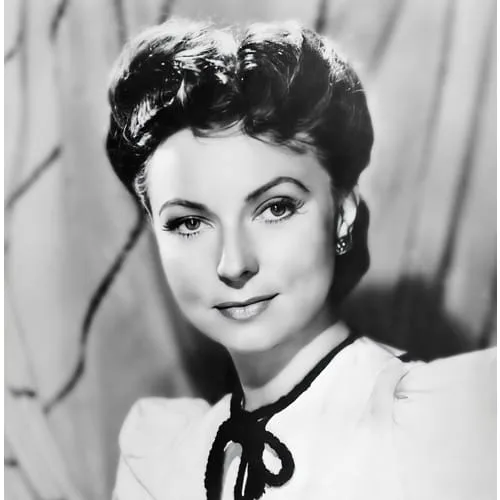
Agnes Moorehead was a remarkable actress whose extraordinary talent transcended multiple media, but her roots in radio broadcasting were particularly profound. A versatile performer with an uncanny ability to bring characters to life through voice alone, Moorehead became one of the most celebrated radio performers of her era, earning the prestigious title of "First Lady of Suspense" and leaving an indelible mark on the medium.
Early Life and Dramatic Beginnings
Born on December 6, 1900, in Clinton, Massachusetts, Agnes Robertson Moorehead discovered her passion for performance at an incredibly young age. Her father, a clergyman, and her mother, a former singer, encouraged her creative spirit. Moorehead recalled making her first public performance at just three years old, reciting a poem in her father's church. This early exposure to performance would prove pivotal in her future career. Moorehead's academic pursuits were as impressive as her artistic talents. She earned a bachelor's degree in biology from Muskingum College in 1923 and later pursued graduate studies, obtaining a master's degree in English and public speaking from the University of Wisconsin. Her educational background provided a solid foundation for her future in performance, combining intellectual rigor with artistic passion.
Radio: The Crucible of Her Craft
Radio became Moorehead's primary artistic medium during the 1930s and 1940s, a period when radio drama was at its zenith. Her breakthrough came when she joined Orson Welles' Mercury Theatre, becoming one of his principal performers. Her remarkable vocal range and ability to inhabit diverse characters made her a sought-after radio actress. During the 946-episode run of Suspense, Moorehead was cast more frequently than any other performer, earning her the moniker "First Lady of Suspense". Her most celebrated performance was in the play Sorry, Wrong Number, broadcast on May 18, 1943. In this groundbreaking radio drama, she portrayed a selfish, neurotic woman who overhears a murder plot, using only her voice to convey intense psychological drama. The performance was so powerful that she recreated it multiple times and even recorded an album of the drama in 1952.
Expanding Artistic Horizons
While radio remained her primary medium, Moorehead's talents extended far beyond audio broadcasting. She became a prominent film actress, appearing in Orson Welles' classics like Citizen Kane and The Magnificent Ambersons. Her film career earned her multiple Academy Award nominations and established her as a versatile character actress. Television would provide her most recognizable role as Endora in the popular sitcom Bewitched, which ran from 1964 to 1972. Despite her initial skepticism about the show, she received six Emmy Award nominations for her portrayal of the quick-witted, mortal-loathing witch mother.
Legacy and Lasting Impact
Agnes Moorehead's contribution to entertainment was multifaceted. She was not just an actress but a pioneering performer who understood the nuanced art of vocal performance. Her work in radio helped elevate the medium from mere entertainment to a sophisticated form of storytelling. Throughout her career, Moorehead received numerous accolades, including Golden Globe Awards and Emmy nominations. Her ability to transform herself vocally made her a legend in radio drama, inspiring generations of performers who followed.
Works and Appearances
Radio
- Suspense (1942-1960) - Multiple roles, most notably Mrs. Elbert Stevenson
- The Shadow (1937-1939) - Margo Lane
- Mercury Theatre on the Air (1938) - Various roles
- CBS Radio Mystery Theater (1974) - Final radio appearances
Television
- Bewitched (1964-1972) - Endora
- The Wild Wild West (1967) - Emma Valentine
- Night Gallery (1971) - Multiple episodes
Film
- Citizen Kane (1941) - Mary Kane
- The Magnificent Ambersons (1942) - Fanny Minafer
- Hush...Hush, Sweet Charlotte (1964) - Velma Cruther
Theater
- Don Juan in Hell (1951-1954) - Doña Ana
- Gigi (1973) - Aunt Alicia
Agnes Moorehead passed away on April 30, 1974, leaving behind a legacy that bridged radio's golden age with television's emerging era, forever remembered as a consummate performer who could captivate audiences with nothing more than her extraordinary voice.