Adelaide Klein
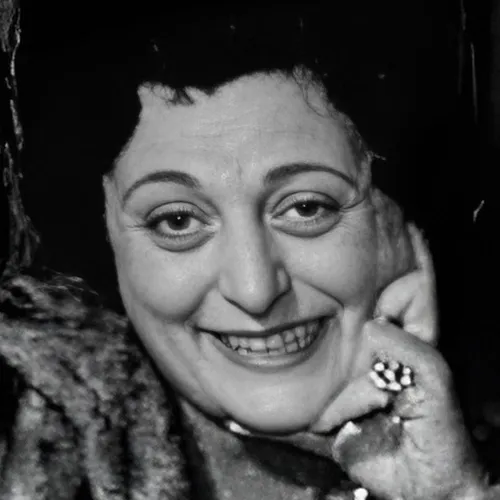
In the golden age of radio, few performers could match the remarkable versatility and linguistic prowess of Adelaide Klein. A true chameleon of the microphone, Klein carved out a distinguished career that spanned radio, television, film, and stage, becoming a celebrated character actress known for her extraordinary command of dialects and memorable character portrayals.
Early Beginnings in New York City
Born on July 8, 1900, in New York City, Adelaide Klein's path to entertainment was anything but direct. Initially preparing for a career in business, she attended school while simultaneously being exposed to dramatic arts. After graduation, Klein began her professional journey as a secretary, a role that would soon give way to her true calling in performance. Her early career took an unexpected turn when she entered the world of radio in the late 1920s, initially working as a singer. However, her exceptional talent for dialects and character work quickly became apparent, propelling her towards a full-time acting career by 1933. Klein's linguistic abilities were extraordinary - she mastered an impressive 12 different dialects, a skill that would become her trademark in radio performances.
Radio: A Canvas of Characters
Klein's radio career was a vibrant tapestry of diverse roles that showcased her remarkable range. She became known for portraying memorable characters in various radio programs, including Hilda the maid in We, The Abbotts, the Dragon Lady, Agatha Meek in Meet Mr. Meek, and a Russian countess in The House on Q Street. Her ability to seamlessly transform her voice made her a sought-after performer in the competitive world of radio entertainment.
Expanding Horizons: Stage and Screen
Beyond radio, Klein demonstrated remarkable versatility across multiple entertainment mediums. On Broadway, she appeared in eight productions, including Double Dummy (1936), Brooklyn, U.S.A. (1941), Uncle Harry (1942), and Marathon '33 (1963). Her film credits included notable works like The Naked City (1948) and The Enforcer (1951).
Challenges and Resilience
Klein's career was not without significant challenges. In the mid-1940s, she was actively involved in the American Federation of Radio Artists (AFRA), serving as a delegate for New York at national conferences. However, her political activism led to her being listed in the Red Channels publication in 1950, which effectively blacklisted her from television roles, though she continued to perform in theatre.
Legacy of a Versatile Performer
Adelaide Klein passed away on March 18, 1983, leaving behind a rich legacy of performance that spanned three decades. Her ability to inhabit diverse characters through her mastery of dialects made her a unique and respected figure in mid-20th century entertainment.
Works and Appearances
Radio
- We, The Abbotts - Hilda the maid
- Meet Mr. Meek - Agatha Meek
- The House on Q Street - Russian Countess
Television
- Two Girls Named Smith - Landlady (1951)
- Suspense - Multiple episodes
- The Clock - Multiple episodes
Film
- The Naked City (1948) - Mrs. Batory
- The Enforcer (1951) - Olga Kirshen
- The Troublemaker (1964) - Psychiatrist
Broadway
- Double Dummy (1936)
- Brooklyn, U.S.A. (1941-1942)
- Uncle Harry (1942-1943)
- Jane Eyre (1958)
- Marathon '33 (1963-1964)