Ray Collins
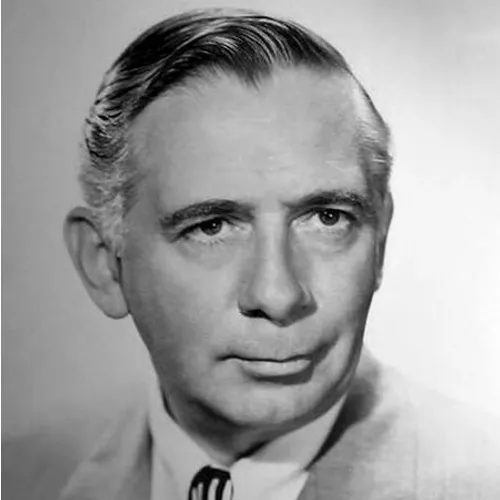
Ray Collins was a versatile actor whose remarkable career spanned radio, stage, film, and television, making him one of the most prolific performers of the mid-20th century. With an extraordinary ability to inhabit diverse characters and a distinctive voice that captivated audiences, Collins became a quintessential figure in the golden age of American entertainment.
Early Life and Theatrical Beginnings
Born Ray Bidwell Collins on December 10, 1889, in Sacramento, California, he was destined for a life in performance from an early age. The son of a newspaper reporter and dramatic editor, Collins was inspired by his uncle Ulric, a stage performer who introduced him to the world of theater. As a young boy, he began staging plays with neighborhood children, demonstrating an early passion for storytelling. Collins made his professional stage debut at just 13 years old at the Liberty Playhouse, marking the beginning of an incredibly prolific career. Between the ages of 17 and 30, he was reportedly out of work as an actor for only five total weeks, showcasing his remarkable work ethic and talent. His early years were characterized by extensive work in vaudeville and regional theater, including performances with his first wife Margaret Marriott as a vaudeville team.
The Rise in Radio Drama
The advent of radio drama would prove to be a transformative period for Collins. At the start of the Great Depression, he turned to radio, quickly becoming involved in an astounding 18 broadcasts per week, sometimes working up to 16 hours a day. His breakthrough came through a long and significant association with Orson Welles, which would define much of his early radio career. Collins became a distinguished member of Welles's repertory cast, participating in groundbreaking radio productions like The Mercury Theatre on the Air. His versatility shone through as he played multiple roles in legendary broadcasts, including the famous War of the Worlds transmission, where he portrayed three characters, most notably the rooftop newscaster describing the destruction of New York.
Transition to Film and Television
Collins made his feature film debut in Orson Welles's Citizen Kane (1941), portraying the ruthless political boss Jim W. Gettys. His film career was extensive, with appearances in over 75 major motion pictures, including notable works like The Magnificent Ambersons and Touch of Evil. However, his most enduring television role came in 1957 when he joined the cast of Perry Mason as Lieutenant Arthur Tragg, a character that would cement his place in television history. For seven years, he portrayed the no-nonsense homicide detective, becoming a beloved figure in American living rooms.
Legacy and Influence
Ray Collins was more than just an actor; he was a consummate performer who bridged multiple entertainment mediums. His ability to seamlessly transition between radio, stage, film, and television made him a true icon of mid-20th century American entertainment. With an astonishing 900 stage roles to his credit, Collins exemplified the versatility and work ethic of his generation of performers. Beyond his professional achievements, Collins was known for his collaborative spirit, particularly his long-standing partnership with Orson Welles. Their work together on various radio productions and films represents a significant chapter in American entertainment history.
Works and Appearances
Radio
- The Mercury Theatre on the Air (1938-1940)
- The Campbell Playhouse (1939-1940)
- Cavalcade of America (1935-1941)
- The Orson Welles Show (Various years)
Film
- Citizen Kane (1941) - Jim W. Gettys
- The Magnificent Ambersons (1942) - Jack Amberson
- Touch of Evil (1958) - Adair
Television
- Perry Mason (1957-1964) - Lieutenant Arthur Tragg
- The Halls of Ivy (1954-1955)
- Various anthology series and guest appearances
Theater
- Performed in approximately 900 stage roles between 1902-1964, including Broadway productions like Native Son (1941)
Ray Collins passed away on July 11, 1965, leaving behind a legacy that continues to inspire performers and entertain audiences decades after his prime.
Heard in