Ceiling Unlimited (later known as America — Ceiling Unlimited) (1942–1944) is a CBS radio series created by Orson Welles and sponsored by the Lockheed-Vega Corporation. The program was conceived to glorify the aviation industry and dramatize its role in World War II.
Welles wrote, produced, and narrated the show for the first 13 episodes, which were considered a prime contribution to the war effort. The program began as a 15-minute drama series broadcast on Mondays at 7:15 p.m. ET. For its second season, it changed format to become a half-hour variety show hosted by Joseph Cotten and was retitled America — Ceiling Unlimited. It aired Sundays at 2 p.m. ET beginning August 8, 1943, and ending April 30, 1944.
The Stars
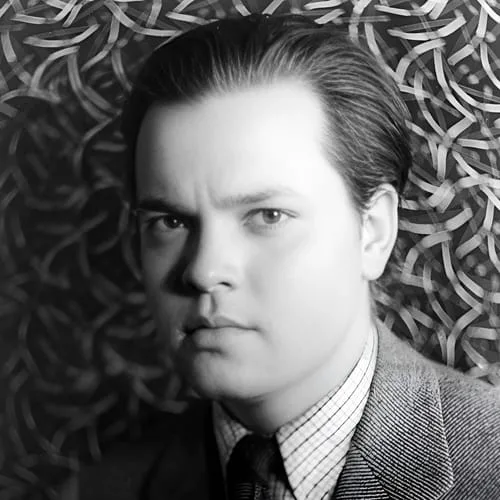
Orson Welles was the driving force behind Ceiling Unlimited, serving as the writer, producer, and narrator for the first 13 episodes. He cast many of his Mercury Theatre's actors, including Ray Collins, Joseph Cotten, Agnes Moorehead, and Everett Sloane. After Welles’s departure, the show featured a variety of guest hosts, including Charles Boyer, Joe E. Brown, Cary Grant, Alan Ladd, William Powell, Basil Rathbone, Edward G. Robinson, and writer James Hilton. For the second season, the series was hosted by Joseph Cotten, with vocalists Nan Wynn and Constance Moore, and music by Wilbur Hatch.
Key Dates
- Ceiling Unlimited debuted on November 9, 1942, and Welles’s run on the program ended on February 1, 1943, after 13 episodes.
- The second season, retitled America — Ceiling Unlimited, began on August 8, 1943, and ran for 39 episodes, concluding on April 30, 1944.
Other Information
Ceiling Unlimited was an “aggressively patriotic” anthology series that aimed to boost morale within the aviation industry during World War II. Lockheed-Vega, the show’s sponsor, established a research bureau in Washington, D.C., to develop story ideas and identify true stories from government agencies. Welles immersed himself in the aviation industry, visiting Lockheed-Vega plants and interacting with workers to better understand the subject matter.
The program featured several stories written by notable authors, including John Steinbeck. Welles presented Steinbeck’s short story “With Your Wings” on the January 25, 1943, episode, and later included it in the final episode of his CBS radio series, The Orson Welles Almanac, broadcast on July 19, 1944. Another Steinbeck story, “Letter to Mother,” was presented on Ceiling Unlimited on January 18, 1943.
While the majority of Ceiling Unlimited episodes are believed to be missing, a few from both the first and second seasons are still in circulation among old-time radio enthusiasts. The program’s unique format and Welles’s involvement have made it a notable entry in the history of wartime radio drama.