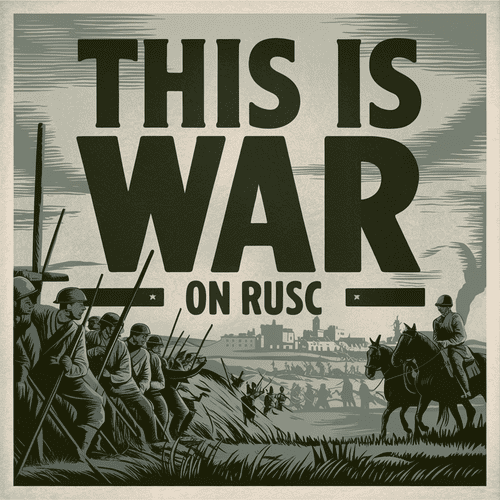
This Is War was a groundbreaking radio series that aired during World War II, directed by the renowned writer and producer Norman Corwin. Broadcast concurrently over all four major radio networks in the United States - CBS, NBC, Mutual, and the Blue Network - the series aimed to unite the nation in support of the war effort through a powerful and emotional exploration of the various facets of the conflict.
Corwin himself wrote nine of the thirteen scripts for the series, which presented a diverse range of perspectives on the war. From the White House to the frontlines, the series delved into the experiences of the military, government, and civilian populations, bringing the realities of the war into the homes of American listeners.
The Stars
The series featured an impressive array of talent, both on and off the microphone. Corwin assembled a team of top-notch writers, directors, and sound engineers to create a truly immersive audio experience.
The programs also showcased the acting skills of renowned Hollywood stars who had been commissioned into the various branches of the military, including Lieutenant James Stewart of the Air Force, Lieutenant Douglas Fairbanks Jr. of the Navy, and Lieutenant Robert Montgomery of the Army.
Key Dates
- This Is War debuted on February 14, 1942, just over two months after the attack on Pearl Harbor.
- The series ran for thirteen episodes, with the final installment airing on May 9, 1942.
- During its brief but impactful run, the program sought to educate, inspire, and unite the American people in the face of the global conflict.
Other Information
The production of This Is War was a remarkable feat of technical and creative collaboration. Corwin utilized one of the most sophisticated sound effects suites available at the time, creating a cinematic quality that drew listeners into the heart of the war. The series was praised for its ability to convey the gravity and urgency of the situation, while also offering moments of hope and resilience.
This Is War stands as a testament to the power of radio as a medium for storytelling and national unity. Corwin’s vision, combined with the talents of the cast and crew, resulted in a series that remains a landmark in the history of American broadcasting and a poignant reflection of the nation’s wartime experience.