Arthur Miller
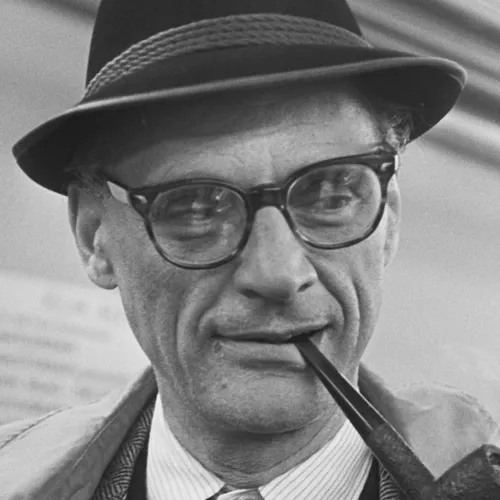
An American playwright and essayist.
Arthur Miller, renowned as one of the most influential American playwrights of the 20th century, began his writing career in a medium often overlooked by literary historians: radio. Long before he became famous for groundbreaking plays like Death of a Salesman and The Crucible, Miller was a prolific radio playwright, crafting compelling narratives that would help launch his remarkable career.
Early Radio Days and Artistic Beginnings
In the late 1930s and early 1940s, radio was a vibrant medium that offered emerging writers like Miller a crucial opportunity to develop their craft and earn a living. Miller began writing radio plays to support himself, creating a diverse range of works that showcased his emerging storytelling skills. During this period, he wrote numerous radio plays that demonstrated his versatility and narrative imagination.
A Diverse Radio Portfolio
Miller's radio plays covered an impressive array of subjects and styles. Some of his most notable radio works included:
- The Pussycat and the Expert Plumber Who Was a Man (1940)
- Joel Chandler Harris (1941)
- The Battle of the Ovens (1942)
- Thunder from the Mountains (1942)
- I Was Married in Bataan (1942)
- That They May Win (1943)
- Listen for the Sound of Wings (1943)
- Bernardine (1944)
- The Story of Gus (1947)
An Unexpected Adaptation: Pride and Prejudice
Perhaps one of the most surprising entries in Miller's radio repertoire was his 1945 adaptation of Jane Austen's Pride and Prejudice. This unexpected project aired on Thanksgiving weekend and was part of the Theater Guild's radio program. Starring Joan Fontaine, the adaptation captured a 19.4 percent share of the national radio audience. The adaptation revealed Miller's remarkable range, demonstrating his ability to work across different genres and styles.
Transition to Stage and Legacy
Miller's radio work was more than just a means of earning income; it was a crucial training ground for his later dramatic achievements. The skills he developed writing concise, compelling radio narratives would serve him well in his stage plays, which often featured tight, economical storytelling.
By the mid-1940s, Miller was transitioning from radio to stage, with his first Broadway play The Man Who Had All the Luck premiering in 1944. While the play closed after only four performances, it won the Theatre Guild National Award and signaled the emergence of a significant new theatrical voice.
Conclusion
Arthur Miller's radio plays represent a fascinating and often overlooked chapter in his artistic development. These works not only provided financial support but also helped him hone the narrative and dramatic skills that would make him one of the most important American playwrights of the 20th century.
Works and Appearances: Radio Plays
Radio Plays
- The Pussycat and the Expert Plumber Who Was a Man (1940)
- Joel Chandler Harris (1941)
- The Battle of the Ovens (1942)
- Thunder from the Mountains (1942)
- I Was Married in Bataan (1942)
- That They May Win (1943)
- Listen for the Sound of Wings (1943)
- Bernardine (1944)
- Pride and Prejudice (Radio Adaptation, 1945)
- The Story of Gus (1947)