Blue Ribbon Town
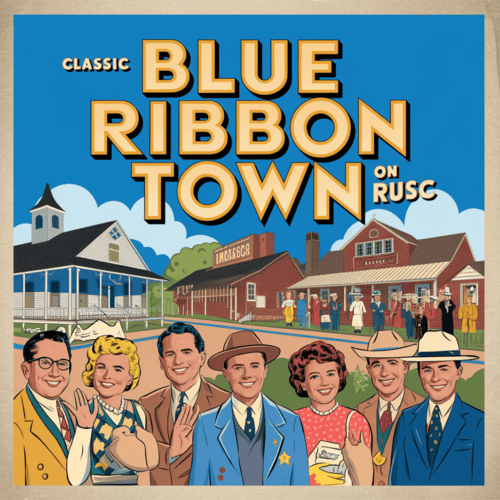
Blue Ribbon Town was a delightful comedy-variety radio series that graced the airwaves of CBS from March 27, 1943, to August 5, 1944. This 30-minute program, sponsored by Pabst Blue Ribbon Beer, brought laughter and entertainment to American households during the challenging years of World War II.
The show’s premise revolved around a fictional American community aptly named Blue Ribbon Town. In this mythical setting, the comedy situations unfolded, presenting a humorous portrayal of small-town life where, as the show suggested, “men were men, women were women, and the jokes were mainly puns.”
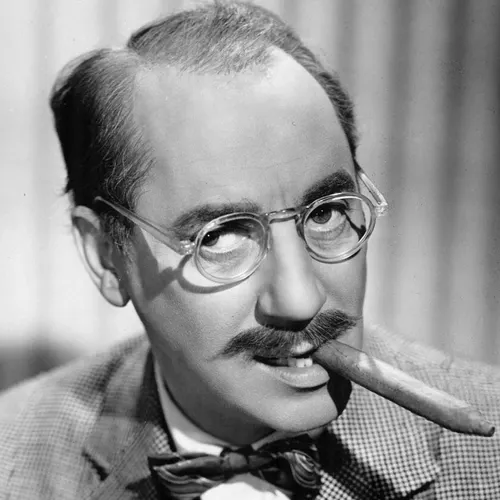
At the heart of Blue Ribbon Town was the incomparable Groucho Marx, whose quick wit and sardonic humor served as the cornerstone of the show’s comedy. Marx’s unique style of delivery and his ability to find humor in the most mundane situations made the program a must-listen for radio audiences of the time.
The show’s format blended comedy skits, musical performances, and variety acts, providing a well-rounded entertainment experience for listeners. While the comedy was the main draw, the musical interludes and guest appearances added depth and variety to the program, ensuring that there was something for everyone in each episode.
The Stars
Blue Ribbon Town boasted an impressive lineup of regular performers who brought the fictional town to life week after week. At the forefront was Groucho Marx, whose legendary comedic talents were the driving force behind the show’s success. Marx’s quick-witted banter and clever wordplay set the tone for the program and kept audiences tuning in.
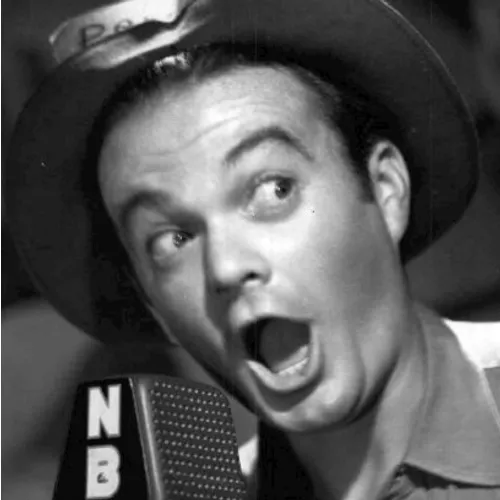
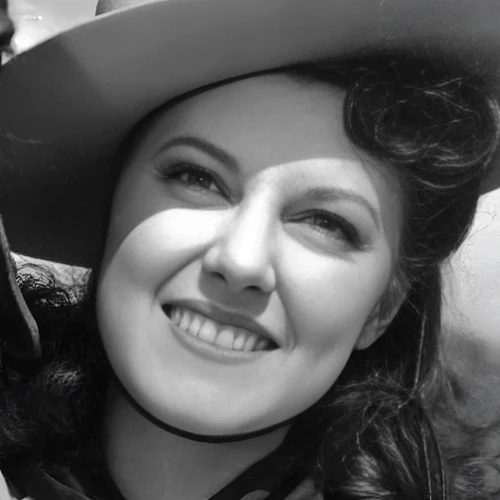
Supporting Marx was a talented cast of regulars. Virginia O’Brien, known for her deadpan singing style, brought her unique charm to the show. Leo Gorcey, famous for his roles in the “Dead End Kids” and “Bowery Boys” film series, added his street-smart persona to the mix. Fay McKenzie, a versatile actress with a background in both film and radio, rounded out the main cast, often playing the straight woman to Marx’s antics.
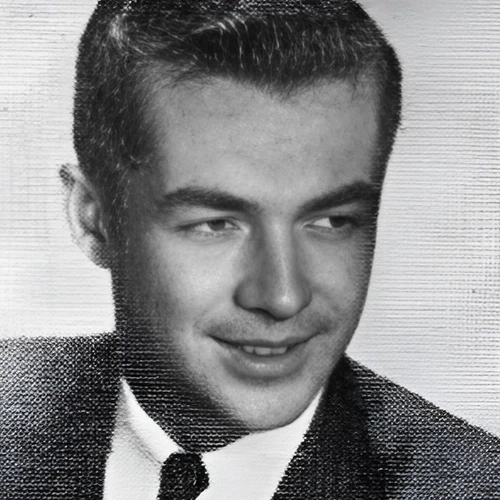
The musical side of Blue Ribbon Town was well represented by a trio of vocalists. Kenny Baker, who would later take over hosting duties after Marx’s departure in June 1944, lent his golden voice to the proceedings. Bill Days and Donald Dickson completed the vocal lineup, ensuring that the show’s musical numbers were always top-notch.
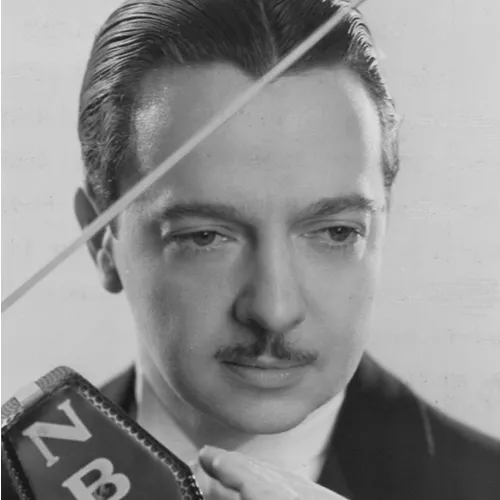
Behind the microphone, Dick Joy served as the show’s announcer, providing the necessary introductions and sponsor messages with professional aplomb.
Key Dates
- March 27, 1943: Blue Ribbon Town makes its debut on CBS, airing Saturday nights at 10:30 p.m.
- October 1943: The show moves to a new time slot, now broadcasting at 8 p.m. on Saturday nights.
- February 5, 1944: A special broadcast of Blue Ribbon Town takes place in Milwaukee to celebrate the 100th anniversary of Pabst Brewing Company, the show’s sponsor.
- June 1944: Groucho Marx departs from the show, with Kenny Baker stepping in as the new host.
- August 5, 1944: The final episode of Blue Ribbon Town is broadcast, bringing the series to a close after a successful run of nearly a year and a half.
Other Information
Blue Ribbon Town was not just a vehicle for comedy; it also served as a powerful marketing tool for its sponsor, Pabst Blue Ribbon Beer. The show’s title itself was a clever nod to the beer brand, creating a strong association between the program and the product. One of the most memorable moments in the show’s history came during its special broadcast from Milwaukee on February 5, 1944.
This episode was dedicated to celebrating Pabst’s 100th anniversary, showcasing the close relationship between the program and its sponsor. During this broadcast, Groucho Marx’s trademark humor was on full display. In a classic exchange with co-star Fay McKenzie, Marx quipped about Lake Michigan, saying, “Yes, isn’t it wonderful. You get near the place where they make Pabst beer, and even the lake has a head on it.” This line, combining Marx’s wit with a sly reference to the sponsor’s product, perfectly encapsulates the show’s approach to humor and advertising.
The show’s writing, direction, and production were handled by Dick Mack, a veteran of radio entertainment. Mack’s expertise in crafting engaging radio content undoubtedly contributed to the show’s success and its ability to seamlessly blend comedy, music, and promotional content.
Musical accompaniment for Blue Ribbon Town was provided by Robert Armbruster, whose arrangements and compositions added depth and polish to the show’s musical segments. Armbruster’s contributions helped to create a well-rounded listening experience, balancing the comedy with high-quality musical interludes.
Interestingly, the show was also known by an alternate title, “Pabst Blue Ribbon Town,” further emphasizing its connection to the sponsor. This dual naming likely helped to reinforce brand recognition among listeners.
Blue Ribbon Town aired during a significant period in American history, coinciding with World War II. As such, the show likely played a role in providing much-needed entertainment and distraction to audiences during a challenging time. The program’s light-hearted approach to small-town American life may have offered a comforting escape for listeners dealing with the realities of wartime.
The legacy of Blue Ribbon Town extends beyond its relatively short run. As part of Groucho Marx’s extensive radio career, the show represents an important chapter in the history of one of America’s most beloved comedians. For fans of Marx and students of radio history, Blue Ribbon Town offers a glimpse into the evolution of radio comedy and the art of combining entertainment with advertising in the golden age of radio.
While the show may not have achieved the long-running status of some of its contemporaries, Blue Ribbon Town remains a fascinating example of 1940s radio entertainment. Its blend of star power, clever writing, and musical variety encapsulates many of the elements that made radio such a dominant form of media during this era.
For modern listeners and old-time radio enthusiasts, Blue Ribbon Town offers a delightful journey back to a time when gathering around the radio for an evening of laughter and music was a cherished American pastime.
Cast & Crew


Ratings & reviews
Loading reviews…
Episodes
Now then. Enjoyed Blue Ribbon Town, did you? An old wireless hand reckons these are right up your street.