Abie's Irish Rose
Abie’s Irish Rose was a popular American comedy series that began as a Broadway play in 1922 and later transitioned to radio in the 1940s. Created by Anne Nichols, the show centered around the marriage of an Irish Catholic girl and a young Jewish man, exploring themes of interfaith relationships and cultural clashes with humor and heart. The series gained immense popularity despite mixed critical reception, becoming one of the longest-running shows on Broadway before finding success on radio.
The premise of Abie’s Irish Rose revolved around Abie Levy, a young Jewish man who secretly marries Rosemary Murphy, an Irish Catholic girl, much to the dismay of their respective fathers. The ensuing comedic situations arose from the couple’s attempts to navigate their families’ prejudices and reconcile their different cultural backgrounds. The show’s blend of ethnic humor, romantic comedy, and themes of tolerance resonated with audiences, particularly during a time of increasing immigration and cultural integration in America.
Despite its commercial success, Abie’s Irish Rose was often criticized for its use of ethnic stereotypes and broad humor. However, its popularity endured, with the play running for over five years on Broadway before spawning film adaptations and eventually making its way to radio. The radio series, which aired on NBC from 1942 to 1944, brought the beloved characters and situations to a wider audience, continuing the story’s exploration of interfaith relationships and family dynamics in post-war America.
The Stars
The radio adaptation of Abie’s Irish Rose featured a rotating cast of talented actors bringing the colorful characters to life. While the show didn’t have permanent stars in the lead roles, several notable performers took on the main characters throughout its run. Richard Bond, Sydney Smith, Richard Coogan, and Clayton “Bud” Collyer all portrayed Abie Levy at various points during the series. Each actor brought their own interpretation to the character of the young Jewish man navigating his interfaith marriage and family expectations.
The role of Rosemary Levy (née Murphy) was played by a succession of actresses, including Betty Winkler, Mercedes McCambridge, Julie Stevens, and Marion Shockley. These performers captured the spirit of the Irish Catholic girl who finds herself caught between her love for Abie and the traditions of her family.
Solomon Levy, Abie’s father, was brought to life by actors such as Alfred White, Charlie Cantor, and Alan Reed. Their portrayals of the traditional Jewish patriarch added depth and humor to the family dynamics central to the show’s plot.
Other recurring characters included Rosemary’s father Patrick Murphy, played by Walter Kinsella, and various supporting roles filled by talented radio actors of the era. The ensemble cast worked together to create the lively and often comical world of Abie’s Irish Rose, bringing the beloved stage characters to the airwaves.
Key Dates
- May 23, 1922: Abie’s Irish Rose premieres as a Broadway play at the Fulton Theatre in New York City, marking the beginning of its phenomenal run.
- October 1, 1927: The Broadway production of Abie’s Irish Rose closes after 2,327 performances, setting a record as the longest-running play in Broadway history at that time.
- January 24, 1942: The radio adaptation of Abie’s Irish Rose debuts on NBC, bringing the popular story to a new medium and audience.
- September 2, 1944: The original run of the Abie’s Irish Rose radio series concludes on NBC.
- 1945: A brief revival of the radio series is attempted but is ultimately cancelled due to listener protests about its stereotypical ethnic portrayals.
These dates mark the key milestones in the evolution of Abie’s Irish Rose from a groundbreaking stage production to a popular radio series, showcasing its enduring appeal across different forms of entertainment.
Other Information
Abie’s Irish Rose left a significant cultural impact that extended far beyond its initial Broadway run and radio adaptation. The show’s popularity led to multiple film adaptations, including a silent film in 1928 directed by Victor Fleming and starring Charles “Buddy” Rogers and Nancy Carroll. A second film version was released in 1946, produced by Bing Crosby and starring Joanne Dru and Richard Norris.
The success of Abie’s Irish Rose inspired numerous imitations and parodies in popular culture. Its influence was so pervasive that it became a reference point for other works dealing with interfaith relationships or cultural clashes. The show’s title was even referenced in popular songs of the era, including Cole Porter’s “Ace in the Hole” and Lorenz Hart’s lyrics for “Manhattan.”
Despite its commercial success, Abie’s Irish Rose was not without controversy. Critics often derided the play for its use of ethnic stereotypes and simplistic humor. Robert Benchley, the theatre critic for Life magazine, was particularly scathing in his reviews, describing the show with increasingly creative and dismissive capsule summaries week after week.
The radio series faced its own challenges, with some listeners and Jewish organizations protesting its portrayal of ethnic characters. These concerns eventually contributed to the show’s cancellation in 1945, reflecting changing social attitudes in post-war America.
Interestingly, the premise of Abie’s Irish Rose continued to resonate in popular culture long after its original run. The 1972-1973 television series Bridget Loves Bernie was essentially an updated version of the Abie’s Irish Rose concept, focusing on an interfaith marriage between a wealthy Irish Catholic woman and a working-class Jewish man. While the show was popular with viewers, it faced similar controversies regarding its portrayal of interfaith relationships and was cancelled after one season.
The legacy of Abie’s Irish Rose extends to legal history as well. Anne Nichols, the show’s creator, sued Universal Pictures for copyright infringement over their film The Cohens and Kellys, which had a similar premise. The resulting case, Nichols v. Universal Pictures Corp., became a landmark decision in copyright law, establishing that copyright cannot be extended to the characteristics of stock characters in a story.
Today, Abie’s Irish Rose is remembered as a cultural phenomenon that, despite its controversial elements, played a role in addressing and normalizing interfaith relationships in popular entertainment. Its long-running success on Broadway and transition to radio demonstrates the enduring appeal of its themes of love overcoming cultural barriers, even as societal attitudes towards its approach to ethnic humor have evolved over time.
Cast & Crew
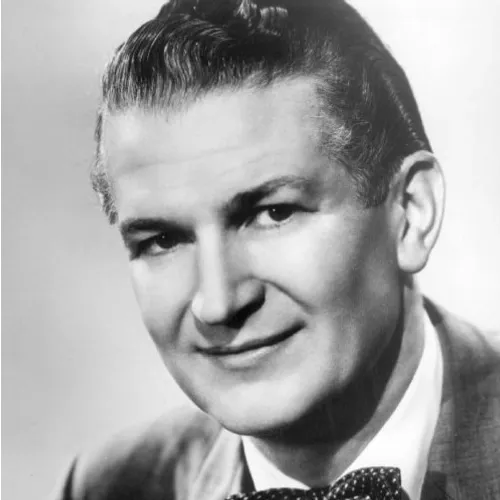 Bud CollyerActorA
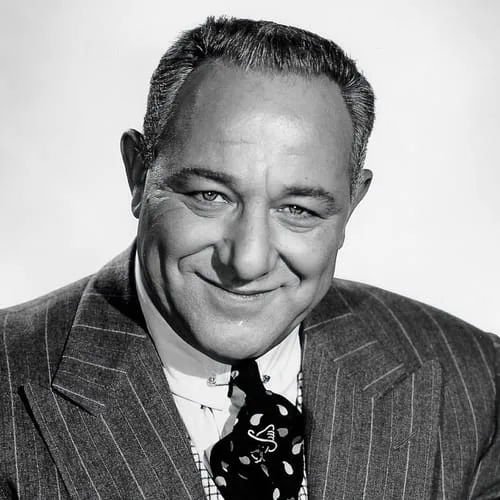 Alan ReedActorA
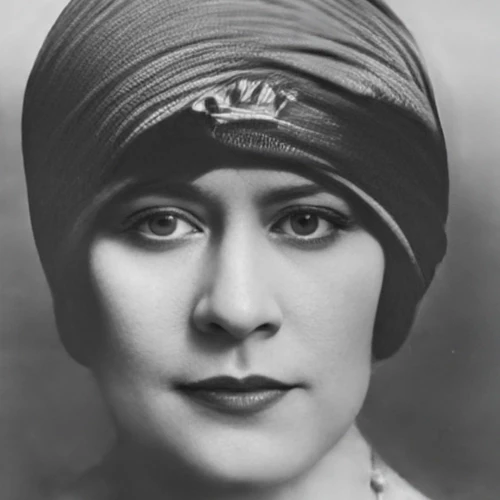 Anne NicholsWriterA
 Ann ThomasActorA
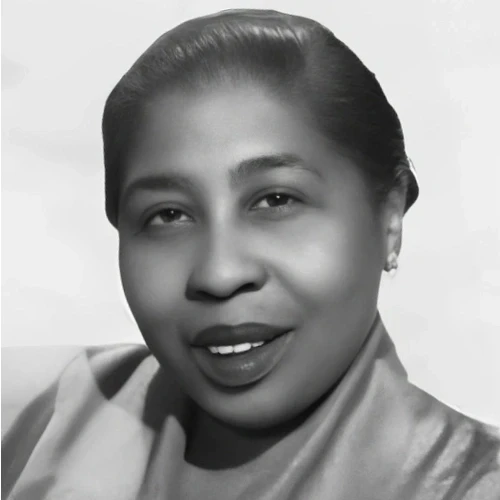 Amanda RandolphActorB
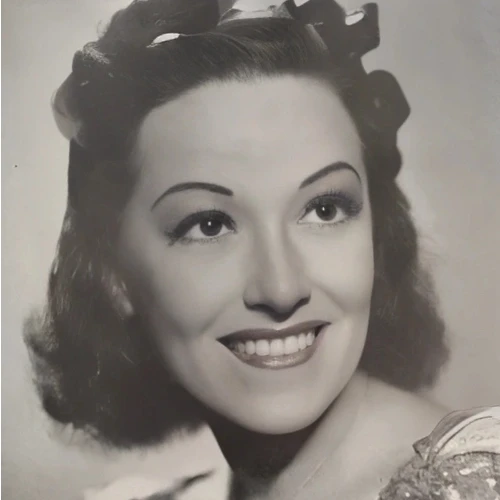 Betty WinklerActorJ
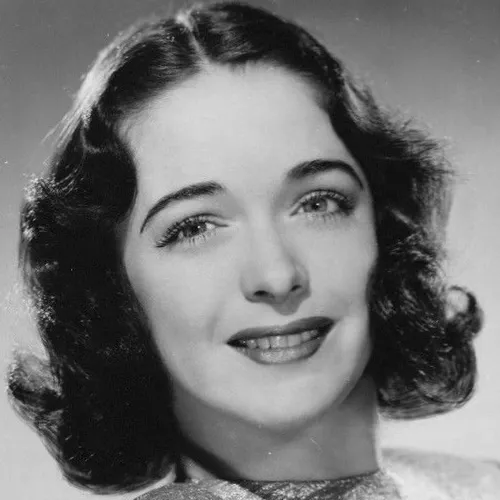 Julie StevensActorJ
 Joe RinesDirectorW
 Walter Kinsella ActorA
 Alfred WhiteActorM
 Menasha SkulnikActorA
 Anna AppelActorC
 Carl EastmanActorB
 Bill AdamsActorD
 Dolores GillenActorS
 Sydney SmithActorR
 Rosemary LevyActorR
 Richard BondActorM
 Marion Shockley Actor
Ratings & reviews
Loading reviews…
Episodes
Ah, Abie's Irish Rose — a fine choice. Let me set a few more down beside it that I think you'll take to.