Anne Nichols
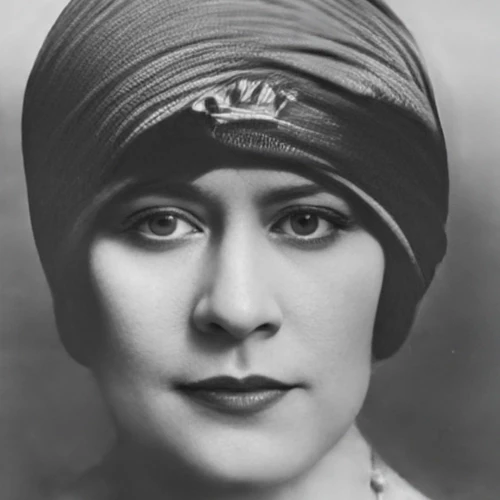
Anne Nichols was a remarkable American playwright whose work transcended the traditional boundaries of theater and radio, becoming a cultural phenomenon that resonated with audiences across the United States in the early 20th century. Though primarily known for her theatrical achievements, Nichols' impact on entertainment extended far beyond the stage, making her a significant figure in the landscape of American performing arts.
Early Life and Theatrical Roots
Born on November 26, 1891, in the small town of Dales Mill, Wayne County, Georgia, Anne Nichols emerged from humble beginnings. She was the daughter of George Henry Westberry Nichols and Julia Anne Bates Nichols, growing up in a strict Baptist family that would later contrast dramatically with her personal and professional journey. Her early life in rural Georgia provided little indication of the theatrical success that would define her career. Nichols' path to becoming a playwright was unconventional. Coming from a conservative background, she defied familial expectations by pursuing a career in the performing arts. Her personal life became a source of inspiration for her most famous work, reflecting the complex cultural dynamics of early 20th-century America. In 1915, she married Henry Duffy, an Irish Catholic, which was a significant departure from her Baptist upbringing. This marriage, which lasted until 1924, would profoundly influence her writing and eventually lead to her conversion to Catholicism.
The Breakthrough: Abie's Irish Rose
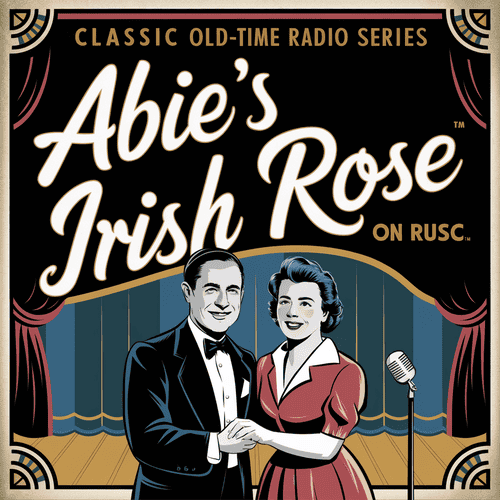
Nichols' most significant contribution to American theater was the groundbreaking play Abie's Irish Rose. This production was a pioneering work that explored interfaith marriage and cultural integration during a time of significant social tension. The play depicted the tumultuous relationship between a young Jewish man and an Irish girl, mirroring Nichols' own cross-cultural marital experience. Abie's Irish Rose was an unprecedented success, breaking Broadway theater history records with its extraordinarily long run. The play's popularity was so immense that it was adapted into multiple films, cementing Nichols' reputation as a significant playwright. Her work was so influential that she even pursued legal action against another production with a similar plot, though the court ultimately ruled that the use of stock characters was outside copyright protection.
Theatrical Innovations and Challenges
Beyond her most famous work, Nichols continued to contribute to the theatrical landscape. In 1937, she produced Hey Diddle Diddle, a comedy set in Hollywood that explored the challenges faced by aspiring performers. The play, while receiving good reviews, encountered significant challenges, particularly with its lead actor's health issues. Despite its short run, it demonstrated Nichols' continued creativity and willingness to tackle complex narrative structures.
Later Life and Legacy
As her career progressed, Nichols remained a significant figure in American theater. Her ability to capture the nuanced social dynamics of her time made her work both entertaining and socially relevant. She passed away on September 15, 1966, in Englewood Cliffs, New Jersey, leaving behind a legacy of groundbreaking theatrical work that challenged societal norms and celebrated cultural diversity. Nichols' contribution to American theater went beyond mere entertainment. Her plays were a reflection of the changing social landscape, offering audiences a lens through which to understand the complexities of cultural integration and personal identity. She was a pioneer who used her art to promote understanding and tolerance during a transformative period in American history.
Works and Appearances
Radio
- Abie's Irish Rose (radio adaptation of stage play)
Theater
- Abie's Irish Rose (1922-1927) - Playwright
- Hey Diddle Diddle (1937) - Producer
Film
- Abie's Irish Rose (film adaptations)
Publications
- Playwright of multiple stage productions exploring cultural integration
Anne Nichols' life and work represent a remarkable journey of artistic innovation, personal transformation, and cultural commentary. Her legacy continues to inspire those who recognize the power of storytelling in bridging cultural divides.