Ethel And Albert
Ethel and Albert, also known as The Private Lives of Ethel and Albert, was a beloved American radio and television comedy series that captured the hearts of audiences with its charming portrayal of suburban married life. Created by the talented Peg Lynch, who both wrote and starred as Ethel, the show offered a refreshing and realistic take on domestic comedy.
The series centered around the everyday adventures and mild tribulations of Ethel and Albert Arbuckle, a relatable married couple living in the fictional small town of Sandy Harbor. With its gentle humor and keen observations of married life, Ethel and Albert stood out as a pioneering force in the world of situational comedy.
Originally debuting on local Minnesota radio in the early 1940s, the show quickly gained popularity and found its way to national audiences. Ethel and Albert enjoyed a successful run on the NBC Blue Network and ABC from May 29, 1944, to August 28, 1950, entertaining listeners with its witty dialogue and true-to-life scenarios.
What set Ethel and Albert apart from other comedies of its time was its understated approach to humor. Unlike many of its contemporaries, the show eschewed slapstick comedy, exaggerated characters, and outlandish plots. Instead, it focused on the subtle humor found in everyday situations, such as a couple’s disagreement over how to open a stubborn pickle jar or playful attempts to prove each other wrong on trivial matters.
Radio historian Gerald Nachman praised the show in his book Raised on Radio, calling it “insightful and realistic… a real leap forward in domestic comedy.” He noted that the series combined “the domestic comedy of a vaudeville-based era with a keen modern sensibility,” highlighting its unique position in the evolution of American comedy.
The Stars
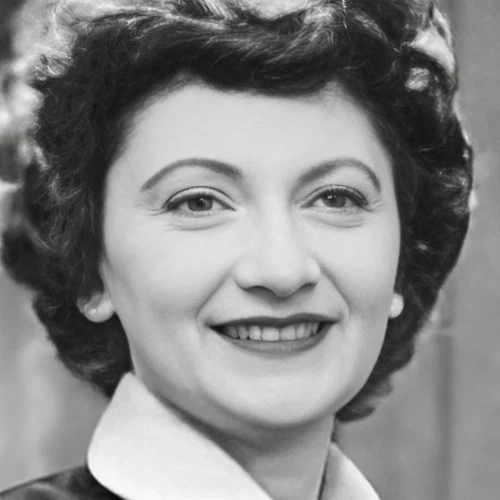
At the heart of Ethel and Albert were its two main stars, who brought the titular characters to life with warmth and authenticity. Peg Lynch, the show’s creator, took on the role of Ethel, infusing the character with her sharp wit and observational humor. Lynch’s talent extended beyond her acting, as she also wrote all the scripts for the series, ensuring a consistent and genuine voice throughout its run.
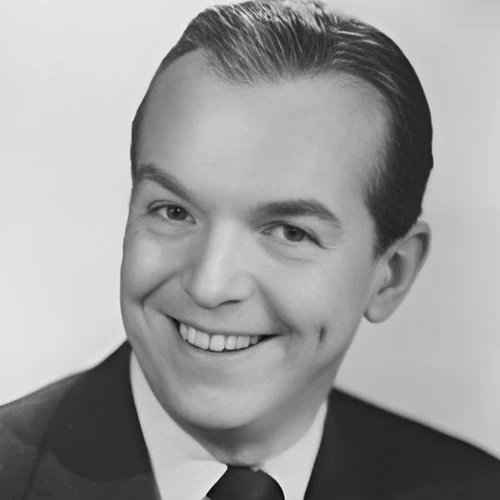
Alan Bunce co-starred as Albert, perfectly complementing Lynch’s Ethel with his portrayal of the amiable husband. Bunce’s chemistry with Lynch was essential to the show’s success, as their interactions formed the core of the series’ appeal. Together, they created a believable and endearing married couple that audiences could relate to and root for.
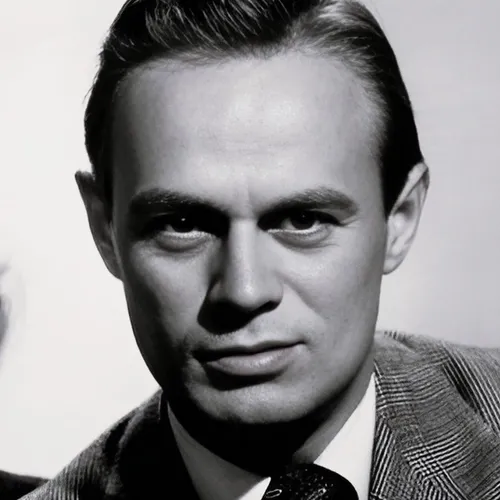
It’s worth noting that before Alan Bunce took on the role of Albert, the character was briefly portrayed by Richard Widmark in 1944. Widmark, who would later become a renowned film star, played Albert for about six months before Bunce stepped in and made the role his own.
Another notable star who lent her talents to the show was Margaret Hamilton, famous for her role as the Wicked Witch of the West in The Wizard of Oz. Hamilton played the recurring character of Aunt Eva, adding another layer of familial dynamics to the series.
Key Dates
- May 29, 1944: Ethel and Albert makes its national radio debut on the NBC Blue Network.
- August 28, 1950: The original radio run of Ethel and Albert concludes on ABC.
- 1952-1953 season: The show transitions to television as a 15-minute segment on The Kate Smith Hour.
- April 25, 1953: Ethel and Albert launches as a full television series on NBC.
- December 25, 1954: The show’s run on NBC comes to an end.
- June 20, 1955: Ethel and Albert moves to CBS as a summer replacement for December Bride.
- September 26, 1955: The CBS run of the show concludes.
- October 14, 1955: The series begins its final television run on ABC.
- July 6, 1956: Ethel and Albert airs its last episode on ABC, marking the end of its television era.
Other Information
Ethel and Albert began its life as a humble three-minute filler between programs on Minnesota’s KATE radio station. Its popularity led to an expansion to 15 minutes, and eventually to a half-hour format in its later years on radio. This gradual growth is a testament to the show’s increasing appeal and the audience’s desire for more of the Arbuckles’ charming domestic life.
The show’s creator, Peg Lynch, had a unique approach to writing comedy. She once told critic Leonard Maltin, “I realized that I didn’t have to sit down and knock myself out every minute to try to think of something funny. All I had to do was look around me.” This philosophy of finding humor in everyday life was key to the show’s relatability and enduring appeal.
When Ethel and Albert made the transition to television, it brought new challenges for its creator. Peg Lynch admitted that she wasn’t entirely comfortable with the move, stating, "Ethel and Albert was a quiet show, and I was not a stage person who was accustomed to performing in front of an audience, as comedians are. And I always felt it spoiled my timing. I would have to hold up for the laugh." This candid admission offers insight into the differences between radio and television production, and the adjustments required of performers in the early days of TV.
The legacy of Ethel and Albert extended beyond its original run. In 1957, Peg Lynch created a similar radio series called The Couple Next Door, which aired on CBS Radio until 1960. This show essentially reprised the Ethel and Albert concept, but under a new name due to Lynch having lost the rights to the original title. The Couple Next Door was well-received, earning the title of Best Daytime Radio Program for 1959 from The National Association for Better Radio and Television.
Lynch and Bunce continued to bring their beloved characters to life in various forms over the years. In 1963, they performed three- to four-minute vignettes on NBC’s weekend programming block Monitor, reminiscent of their original 15-minute shows. In 1973, Lynch revived Ethel and Albert on National Public Radio’s Earplay with a 16-episode run, this time with Karl Schmidt playing Albert. In 1976, she wrote and starred in a syndicated radio feature called The Little Things in Life, again drawing on the enduring appeal of her domestic comedy concept.
While very few of the original Ethel and Albert radio programs are known to have survived, fans of the show can still enjoy its legacy. Almost all of the CBS Couple Next Door episodes exist, and Lynch authorized a CD release of 12 Ethel and Albert vignettes from Monitor. These preserved episodes offer modern listeners a chance to experience the charm and wit of this pioneering domestic comedy.
The enduring popularity of Ethel and Albert and its various incarnations is a testament to the universal appeal of well-observed, character-driven comedy. By focusing on the small, relatable moments of married life, Peg Lynch created a series that not only entertained but also reflected the everyday experiences of its audience, securing its place in the pantheon of classic American radio and television.
Cast & Crew


Ratings & reviews
Loading reviews…
Episodes
Ah, Ethel And Albert — a fine choice. Let me set a few more down beside it that I think you'll take to.