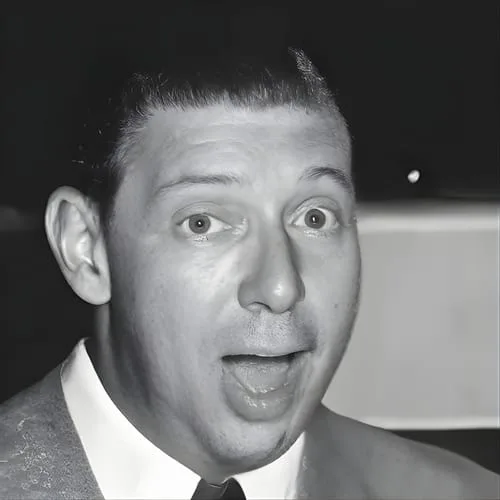
In the golden age of radio, few personalities embodied the versatility and charm of Harry von Zell. A multi-talented performer who seamlessly transitioned from radio announcer to actor, von Zell became a beloved figure in American entertainment during the mid-20th century. His distinctive voice and comedic timing made him a staple of radio, film, and television, leaving an indelible mark on the broadcasting landscape.
Early Life and Radio Beginnings
Born Harry Rudolph von Zell on July 11, 1906, in Indianapolis, Indiana, he was the elder child of Iva Clara and Harry Adolph von Zell, a sports reporter. The family's journey took them through various locations before settling in California, where von Zell studied music and drama. His entry into broadcasting was serendipitous - friends playfully tricked him into singing on a radio program, which unexpectedly launched his career. Von Zell's radio career began in the mid-1920s at a local station, quickly gaining recognition for his vocal talents. By late 1926, he was singing on the "Times de Luxe Program" in Los Angeles and soon became the manager of KMTR radio station. His big break came in 1929 when he was selected from 250 announcers to work on a significant radio show, eventually becoming a CBS staff announcer.
The Golden Age of Radio Performance
During the 1920s and 1930s, von Zell was a powerhouse, serving as an announcer on approximately 20 shows per week. His most notable partnership was with veteran comedian Eddie Cantor, where he served as a commercial spokesperson and straight man from 1940 to 1949. This collaboration solidified his reputation as a versatile radio personality. Von Zell became famous not just for his announcing skills, but also for his memorable on-air moments. His most legendary slip occurred in 1931 when he accidentally referred to President Herbert Hoover as "Hoobert Heever" during a live birthday tribute - a blooper that would become part of radio folklore.
Expanding into Multiple Media
Beyond radio, von Zell proved himself a multi-talented entertainer. As a film actor, he appeared in at least 28 features and a series of slapstick comedy shorts between 1946 and 1950. His television career was equally impressive, most notably as the announcer and friend on The George Burns and Gracie Allen Show from 1951 to 1958. Von Zell's adaptability shone through his various television roles. He worked with numerous comedians, appeared in multiple series like Perry Mason and McHale's Navy, and even delivered commentary for Celebrity Golf. In his later years, he became a commercial spokesman and participated in a television special celebrating radio's golden era.
Legacy and Personal Life
Harry von Zell represented the quintessential mid-century entertainer - adaptable, charming, and deeply embedded in the evolving media landscape. Though he played single characters on television, in real life he was married to Minerva McGarvey and had two children. His career spanned from radio's early days to television's mainstream emergence, making him a bridge between two significant entertainment eras. On November 21, 1981, von Zell passed away at 75 in Woodland Hills, California. His body was cremated, and his ashes were scattered at sea, symbolically returning to the vast media landscape he had so brilliantly navigated.
Works and Appearances
Radio
- Announcer on numerous shows (1920s-1930s)
- Eddie Cantor Show (1940-1949)
- Birds Eye Open House
Television
- The George Burns and Gracie Allen Show (1951-1958)
- Perry Mason (multiple episodes)
- McHale's Navy (1960-1961)
- Celebrity Golf (commentary, 1960)
Film
- Various comedy shorts (1946-1950)
- Flicker Flashbacks series (1943, narrator)
Commercial Work
- Spokesman for various brands in later career