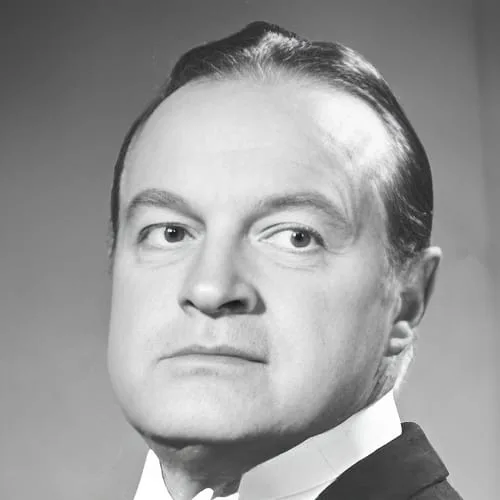
Bob Hope was far more than just a comedian; he was a multimedia entertainment icon whose radio career helped define an entire era of American broadcasting. From his early days in vaudeville to becoming a household name through radio, Hope transformed comedy and became one of the most influential entertainers of the 20th century.
Early Life and Radio Beginnings
Born Leslie Townes Hope on May 29, 1903, in London, England, he immigrated to the United States with his family at age four. Hope's journey into entertainment began in the vibrant world of vaudeville, where he initially performed as a dancer and comedian. By 1929, he had informally changed his name to "Bob" and was establishing himself in the entertainment circuit. His radio career officially commenced in 1934, marking the beginning of a transformative period in American entertainment. Hope's first significant radio opportunity came with the Woodbury Soap Hour in 1937, where he served as master of ceremonies for the Rippling Rhythm Revue. During this transitional period from vaudeville to radio, he collaborated with prominent big band leaders, showcasing his versatility.
The Golden Age of Radio Comedy
Hope quickly became a radio sensation, signing a ten-year contract that would solidify his status as a premier entertainer. He was innovative in his approach, hiring eight writers and paying them from his substantial weekly salary of $2,500. His writing staff, which eventually grew to fifteen members, included notable talents like Larry Marks and Barney Dean. His radio program became the top radio show in the country, featuring regular performers and developing a distinctive comedic style characterized by rapid-fire jokes and self-deprecating humor. Hope's comedic timing and unique delivery set him apart from his contemporaries, helping establish modern American comedy.
Transition and Multimedia Success
As radio's popularity began to wane in the 1950s, Hope seamlessly transitioned to television. He became an early pioneer of the medium, hosting numerous television specials and continuing to entertain audiences with his signature wit. His Christmas specials were particularly popular, often featuring performances of his iconic song "Thanks for the Memory". Throughout this period, Hope maintained his radio presence while expanding into other entertainment domains. He starred in theatrical features, performed in USO shows, and became a multimedia entertainment powerhouse.
Legacy and Cultural Impact
Bob Hope's influence extended far beyond entertainment. He was renowned for his extensive USO tours, performing for military personnel across multiple conflicts from World War II to the Gulf War. His commitment to entertaining troops earned him numerous honors, including being named an "Honorary Veteran" by an act of Congress in 1997. Comedians like Woody Allen and Steve Martin cited Hope as a significant influence, acknowledging his groundbreaking comedic persona that challenged traditional masculine stereotypes in comedy.
Conclusion
Bob Hope's radio career was more than a professional achievement; it was a cultural phenomenon that shaped American entertainment for decades. His ability to adapt, innovate, and connect with audiences across multiple mediums made him a true entertainment legend.
Works and Appearances
Radio
- Woodbury Soap Hour (1937-1938)
- Rippling Rhythm Revue (1937-1940s)
- Various comedy programs (1934-1950s)
Television
- Numerous NBC specials (1950-1996)
- Bob Hope: The First 90 Years (1993)
- Laughing with the Presidents (1996)
Film
- 54 theatrical features (1938-1972)
- Multiple "Road to..." comedy series with Bing Crosby
USO Tours
- 57 tours (1941-1991)
- Performances across multiple global conflict zones
Books
- Multiple autobiographical works
- Dear Bob...: Bob Hope's Wartime Correspondence with the G.I.s of World War II