In the vibrant landscape of mid-20th century radio entertainment, few performers were as versatile and memorable as John Brown, a British actor who became an integral part of American broadcasting history. Despite being born in Hull, Yorkshire, Brown would become a quintessential voice of American radio comedy and storytelling, leaving an indelible mark on the entertainment industry.
Early Life and Radio Beginnings
Born on April 4, 1904, in Hull, Yorkshire, John Brown discovered his remarkable talent for character voices and comedic timing early in his career. Though details of his initial entry into radio are sparse, Brown quickly established himself as a remarkably adaptable performer. His ability to embody diverse characters with distinct vocal personalities set him apart in the competitive world of radio entertainment. Brown's early radio work demonstrated his incredible range. From 1932 to 1936, he appeared in programs like Police Headquarters, gradually building a reputation for his versatile vocal performances. His work on shows like Roses and Drums and Town Hall Tonight showcased his ability to bring characters to life through sound alone.
The Golden Age of Radio Comedy
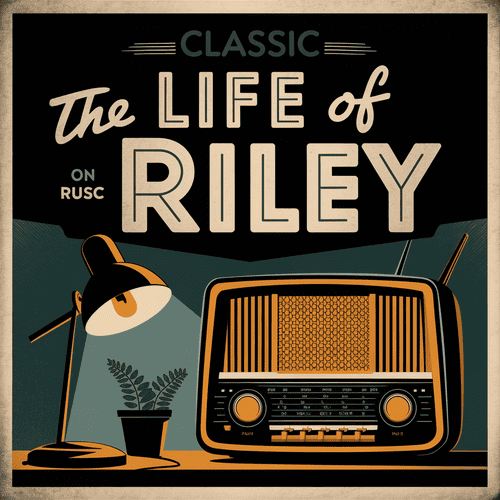
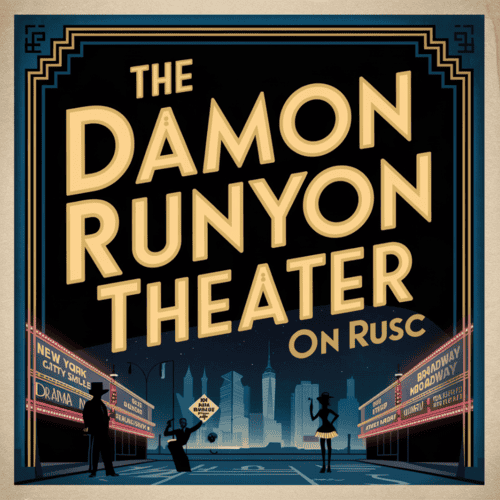
During radio's golden era, John Brown became a staple of comedy programming. He was a regular on The Fred Allen Show and The Jack Benny Program, where he played various characters including "John Doe" and an airplane captain. His most memorable radio role was perhaps as Digby "Digger" O'Dell in The Life of Riley, a character so iconic that he was the only original cast member to transition to the television version. Brown's talent extended beyond comedy. He appeared in dramatic radio shows like Arch Oboler's Plays and The Saint, demonstrating his remarkable versatility. His portrayal of "Broadway" in The Damon Runyon Theatre was particularly noteworthy - so quintessentially American that listeners found it hard to believe the character was performed by an Englishman.
Expanding into Film and Television
As radio evolved, so did John Brown's career. He seamlessly transitioned into film and television, appearing in notable movies like Strangers on a Train (1951) and The Day the Earth Stood Still (1951). In television, he played Harry Morton in The George Burns and Gracie Allen Show and appeared in other popular series like I Love Lucy and The Amos 'n Andy Show. Interestingly, Brown was also a voice actor for animated productions, providing voices for characters in films like Symphony in Slang and even voicing the memorable Ro-Man in the cult science fiction film Robot Monster in 1953.
Legacy and Final Years
John Brown's career was not without challenges. In 1952, he was placed on the Hollywood blacklist, a significant professional setback during the McCarthy era. Despite this, his talent remained undeniable. Tragically, Brown died of a heart attack on May 16, 1957, in West Hollywood, California, while en route to his doctor's office. His legacy is that of a remarkably adaptable performer who helped define the sound of mid-20th century American entertainment. From radio to film and television, John Brown exemplified the versatility required of performers during radio's golden age.
Works and Appearances
Radio
- Police Headquarters (1932)
- Roses and Drums (1932-1936)
- Town Hall Tonight (1935-1943)
- The Jack Benny Program (1943-1945)
- The Life of Riley (1944-1951)
- The Damon Runyon Theatre (1948-1949)
Film
- Strangers on a Train (1951)
- The Day the Earth Stood Still (1951)
- Robot Monster (1953, voice)
- Hans Christian Andersen (1952)
Television
- The Life of Riley (1949-1950)
- I Love Lucy (1951)
- The George Burns and Gracie Allen Show (1951)
- The Amos 'n Andy Show (1951)