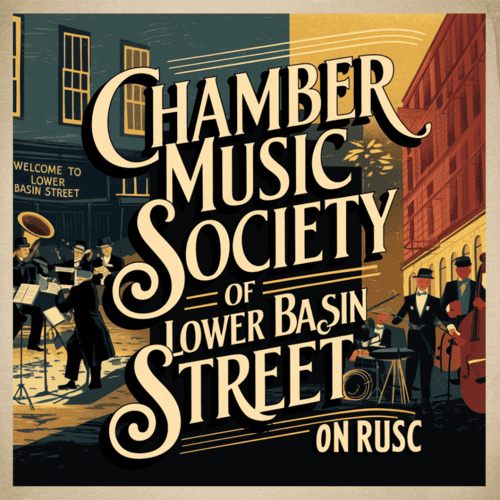
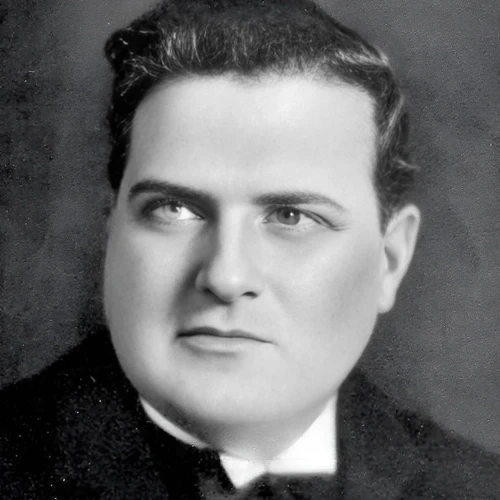
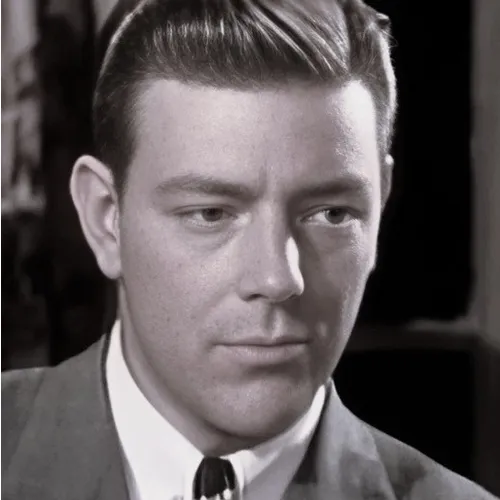
The Chamber Music Society of Lower Basin Street is a musical variety radio program which began on the Blue Network on February 11, 1940. The program was created and hosted by NBC staff announcer Gene Hamilton as a tongue-in-cheek satire of highbrow symphonic broadcasts hosted by Milton Cross. Instead of Cross’s dignified commentary introducing each orchestral selection, “Dr. Gino Hamilton” would introduce a traditional hot-jazz (Dixieland) melody, peppering his remarks with slang.
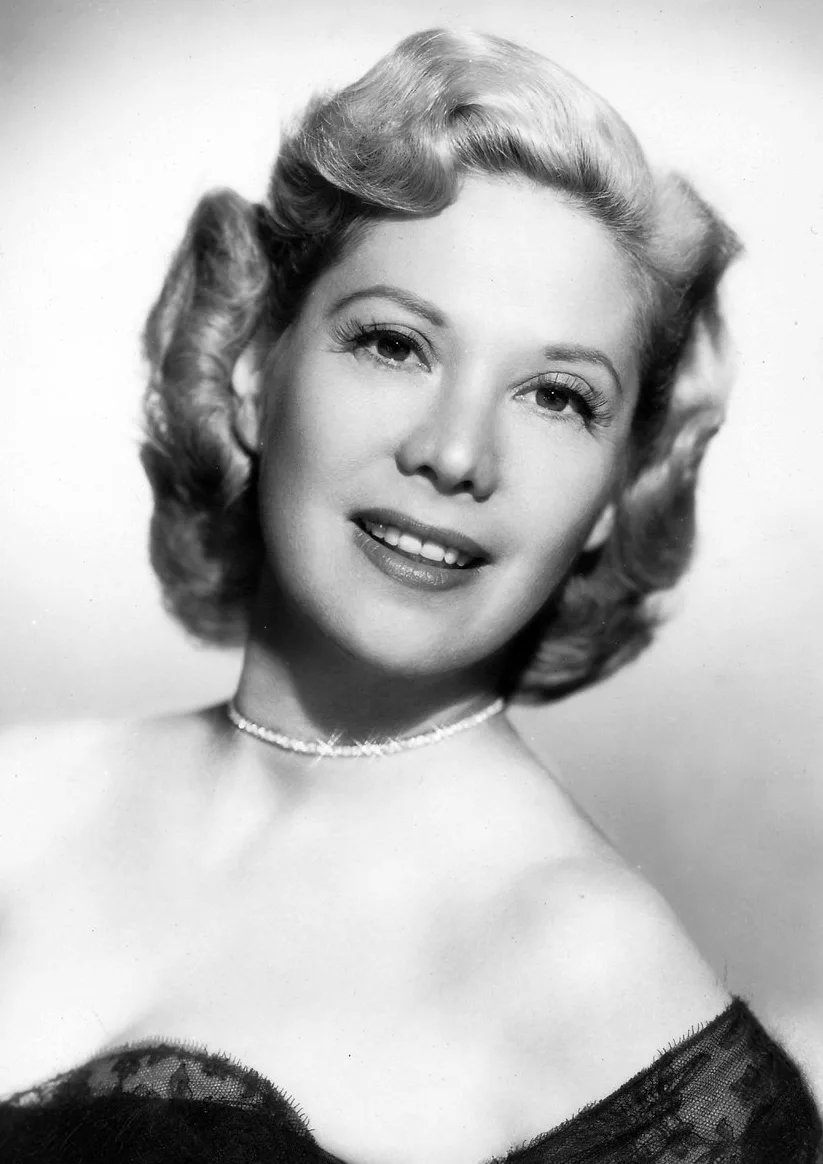
The music was performed by two house bands - an eight-member Dixieland combo led by Henry Levine, a former member of the Original Dixieland Jazz Band, and a 10-piece woodwind ensemble led by Paul Laval (later Lavalle, to avoid confusion with the French wartime traitor Paul Laval). Each broadcast featured a vocalist, including Dinah Shore, Diane Courtney, Dodie O’Neill, Dixie Mason, Linda Keene, Loulie Jean Norman, and Lena Horne.
The Stars
Gene Hamilton invited guest artists to appear on Lower Basin Street, including Benny Goodman, Count Basie, W. C. Handy, Bobby Hackett, Lead Belly, Lionel Hampton, Jelly Roll Morton, Sidney Bechet, and Alec Templeton, among other famous names in the jazz world. Many leading musicians were fans of the show, and kept in touch with Hamilton by telephone to arrange guest shots.
Key Dates
- The Chamber Music Society of Lower Basin Street began as a sustaining (unsponsored) half-hour feature on NBC’s Sunday-afternoon schedule (4:30 p.m. Eastern time). So many listeners wrote to the network expressing approval – and asking to see the show in person – that in October 1940 NBC gave Lower Basin Street an unsponsored, Monday-evening slot in its primetime schedule. Fans protested vigorously when the network sometimes pre-empted the program and even announced plans to cancel it
- After two years of running as a sustaining show, Lower Basin Street found a sponsor: the Andrew Jergens Company, manufacturer of health and beauty aids. With a budget enhanced by Jergens, the program could now afford more “name” guest stars. However, the format drifted away from Hamilton’s original, intimate concept of hot-jazz jam sessions and became a brassy big-band jamboree staged for large crowds. The Jergens advertising agency Lennen & Mitchell kept tampering with the format, and the program took a sharp nosedive. The show left the air in October 1944.
- When Dixieland music became a nationwide craze in 1950, NBC returned The Chamber Music Society of Lower Basin Street to its schedule on June 8 of that year, with “Dr. Gino” Hamilton returning to the microphone. The series aired as a summer replacement for Judy Canova's program. NBC looked to its established radio properties for possible conversion to television series, and The Chamber Music Society of Lower Basin Street was on the list.
- To gauge public interest, Lower Basin Street was revived as a Saturday-night radio series during the spring of 1952, as an “information and education” program sponsored by the U.S. Army recruiting office.
Other Information
Beginning in November 1940, RCA Victor recorded albums of 78-rpm discs featuring The Chamber Music Society of Lower Basin Street. The liner notes were written by Welbourne (Web) Kelley, who wrote the radio series. Each disc in the album would begin with “Dr. Gino” Hamilton introducing the selection, played by one of the two Lower Basin Street bands. The other side of the disc featured the other band. RCA re-released these records as late as the 1960s, emphasizing vocalists Dinah Shore or Lena Horne and deleting the commentaries.
The only surviving visual records of The Chamber Music Society of Lower Basin Street are four three-minute films produced for the Soundies film jukeboxes in 1941. All feature the Henry Levine “Dixieland Jazz Band,” with vocals by Linda Keene in three of them.