Zero Mostel
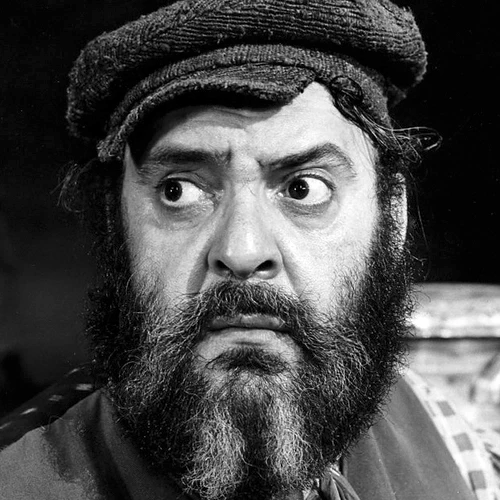
Zero Mostel was a towering figure in American entertainment, celebrated for his dynamic presence on stage, film, and television. Known for his explosive comedic timing and indelible performances, Mostel became an icon of mid-20th century performance, particularly in theater and television. His career was a testament to resilience, talent, and the enduring appeal of character-driven comedy.
Early Life and Background
Zero Mostel was born Samuel Joel Mostel on February 28, 1915, in Brooklyn, New York. He grew up in a working-class family, the son of Jewish immigrants, which instilled in him a deep sense of cultural identity and humor. Early on, he gravitated toward the arts, demonstrating both a flair for performance and a remarkable wit that would define his later work. After attending public schools in Brooklyn, Mostel briefly pursued studies in acting before immersing himself in New York’s vibrant artistic scene. The city’s theater and performance culture offered him both inspiration and opportunity, shaping the formative experiences that would later influence his stage and screen presence.
Entry Into Radio and Early Career
Mostel’s career began in the 1940s, a time when radio was a dominant medium for entertainment. He leveraged his voice, comedic timing, and improvisational skills to make an impact in radio, though his radio credits are less extensive than his later stage and film work. Notably, Mostel performed in various radio programs, honing his craft and reaching a national audience. These appearances allowed him to develop the vocal expressiveness and timing that would later become his signature style on stage. In addition to radio, Mostel participated in cabaret and live performance circuits, where his bold and animated style attracted attention from producers and theater directors. These early experiences provided a bridge to his Broadway debut, allowing him to refine his craft and establish a distinctive voice that blended humor, emotion, and social commentary.
Stage and Film Achievements
Mostel achieved widespread recognition on Broadway, particularly with his groundbreaking performances in productions like Fiddler on the Roof (1964), where he portrayed Tevye, and A Funny Thing Happened on the Way to the Forum (1962). His performances combined physical comedy, vocal power, and deep emotional resonance, earning him critical acclaim and multiple awards. He also appeared in films such as The Producers (1967), directed by Mel Brooks, where his portrayal of Max Bialystock remains a benchmark in cinematic comedy. Mostel’s ability to translate his theatrical energy to the screen cemented his status as a versatile performer. He collaborated with prominent directors and fellow actors, often pushing creative boundaries while remaining grounded in the authentic, character-driven humor that defined his career.
Professional Relationships and Collaborations
Throughout his career, Mostel worked closely with notable figures in theater, film, and television. His collaborations with director Mel Brooks and composer Stephen Sondheim brought some of his most memorable performances to life. These partnerships were characterized by mutual respect and a shared commitment to bold, innovative storytelling. Despite the political challenges of his era, including blacklisting during the McCarthy period, Mostel maintained professional relationships that supported and elevated his work. Colleagues often praised his generosity as a performer, his willingness to mentor younger actors, and his relentless dedication to his craft, even in the face of adversity.
Legacy and Influence
Zero Mostel passed away on September 8, 1977, leaving a lasting impact on American entertainment. His legacy is defined by his transformative contributions to theater, film, and television, and his ability to blend humor with poignant social commentary. Mostel’s performances continue to inspire actors and comedians, demonstrating the power of individuality, audacity, and comedic brilliance. His influence is evident in the ongoing popularity of works like Fiddler on the Roof and The Producers, which continue to be celebrated on stages and screens worldwide. Mostel’s career serves as a reminder of the resilience and creativity required to thrive in the evolving landscape of American entertainment.
Works and Appearances
Radio
- Various radio programs (1940s) – Performer –
Film
- The Front (1976) – Actor
- The Producers (1967) –
- A Funny Thing Happened on the Way to the Forum (1966) –
Theater
- A Funny Thing Happened on the Way to the Forum (1962)
- Fiddler on the Roof (1964) ce