Milton Cross
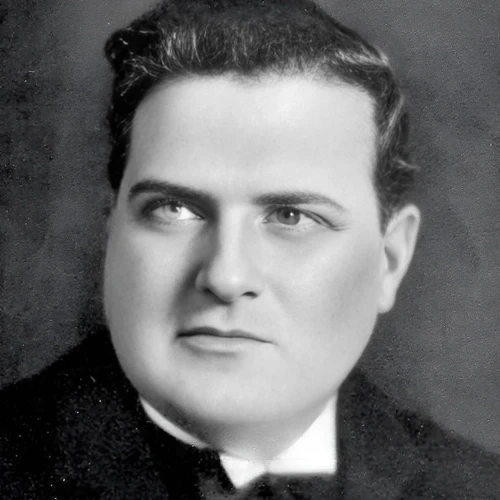
In the golden age of radio broadcasting, few voices were as iconic and enduring as that of Milton John Cross. For over four decades, his distinctive and authoritative tone became synonymous with the world of opera, bringing the grandeur of classical music into millions of American homes. From his early days in network radio to his legendary tenure as the voice of the Metropolitan Opera, Cross was more than just an announcer – he was a cultural institution.
The Early Years of a Radio Pioneer
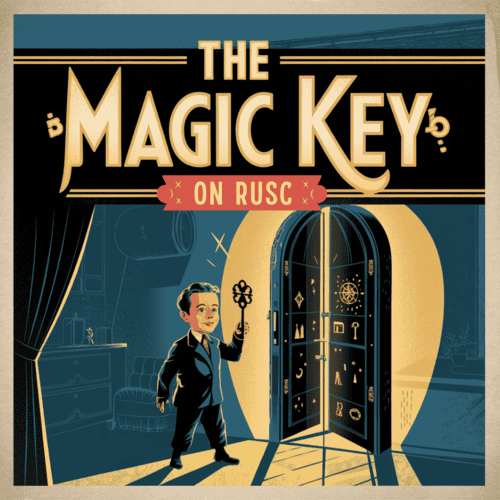
Born on April 16, 1897, Milton Cross emerged at the perfect moment to become a pioneering radio personality. He began his career in the nascent days of network radio, joining the New Jersey station WJZ in 1921 . Unlike many of his contemporaries, Cross was not just an announcer but also a performer, often participating in recitals with the station's staff pianist. By 1927, WJZ had moved to Manhattan and become the flagship station of NBC's national radio network, providing Cross with a broader platform for his talents . During the 1930s and 1940s, Cross became a familiar voice across various popular programs. He announced the quiz program Information Please and hosted a unique Sunday morning show called Coast To Coast on a Bus, which featured child performers . These early experiences showcased his versatility and helped establish his reputation in the broadcasting world.
The Metropolitan Opera: A 43-Year Legacy
Cross's most significant and enduring contribution to broadcasting was undoubtedly his role with the Metropolitan Opera. From 1931 to 1975, he served as the primary host for the weekly live opera broadcasts, a position that would define his entire career . His distinctive voice brought the excitement of live performances from the Metropolitan Opera House to radio listeners across the nation. Initially broadcasting from "Box 44" in the old opera house at Broadway and 40th Street, Cross became the definitive narrator of opera for generations of Americans. In 1966, he even introduced audiences to the Met's new home, hosting a special opening night broadcast from a modern radio booth . For 43 consecutive seasons, he was typically the sole commentator, missing only a few broadcasts throughout his remarkable tenure.
A Cultural Icon Beyond the Microphone
Cross's influence extended far beyond live broadcasts. He was a prolific writer and editor, publishing several important works about opera. His 1949 book Milton Cross' Complete Stories of the Great Operas recounted the plots of 72 operas, and he later published More Stories of the Great Operas in 1971 . He also co-authored a two-volume Encyclopedia of the Great Composers and their Music with David Ewen in 1953. Interestingly, Cross became something of a pop culture figure, even being parodied in various media. NBC Radio launched a satirical show mimicking his dignified style, and he was so adept that he eventually hosted the very show created to lampoon him. His comedic timing was so sharp that he was even hired to narrate the silent film compilation Gaslight Follies in 1945 .
The Final Broadcast
Cross's dedication to his craft was absolute. He never retired, continuing to work until his death during the Met season of 1974–75. His final broadcast was of Fidelio on December 28, 1974 – exactly 43 years and three days after his first Met broadcast of Hansel and Gretel on December 25, 1931 . He passed away in New York City, the city that had been the backdrop to his entire remarkable career.
Works and Appearances
Radio
- WJZ Announcer (1921-1927)
- Information Please Quiz Show Announcer
- Coast To Coast on a Bus Host (1940s)
- Metropolitan Opera Broadcasts (1931-1975)
Books
- Milton Cross' Complete Stories of the Great Operas (1949)
- More Stories of the Great Operas (1971)
- Milton Cross' Encyclopedia of the Great Composers and their Music (1953)
Recordings
- Narrator for various classical music recordings
- Milton Cross Explains educational records (1958)
Film
- Narrator, Gaslight Follies (1945)
Milton Cross was more than a radio announcer – he was a bridge between high culture and popular media, bringing the world of opera into living rooms across America and helping to democratize classical music for generations of listeners.