Humphrey Bogart
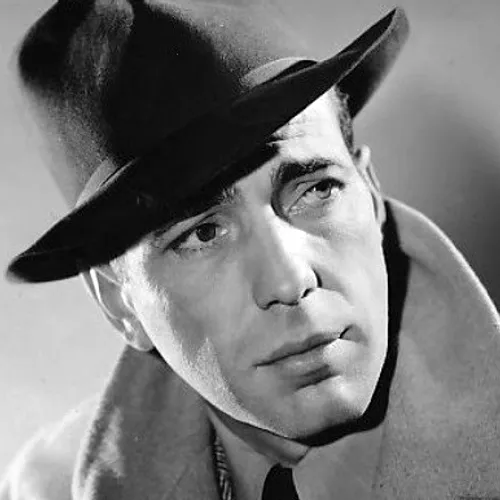
Humphrey Bogart, an iconic figure of Hollywood's golden age, was not just a silver screen legend but also a notable presence in the world of radio broadcasting. Though primarily known for his film roles, Bogart brought his distinctive voice and charismatic persona to the radio medium, creating memorable performances that complemented his cinematic career.
Early Life and Radio Beginnings
Born in New York City in 1899, Humphrey DeForest Bogart emerged from a privileged background with artistic parents. His mother, Maud Humphrey, was a commercial illustrator, while his father was a surgeon. Despite his elite upbringing, Bogart was an indifferent student who showed little academic promise. His early life provided little indication of the entertainment career that would follow. Bogart's transition into entertainment began on the stage, where he appeared in numerous Broadway productions between 1922 and 1935. Interestingly, he never took formal acting lessons, preferring to learn through practical experience. This hands-on approach would serve him well in his later radio work.
Radio Performance and Adaptations
Radio became an important medium for Bogart to extend his artistic reach. He performed radio adaptations of some of his most famous films, including Casablanca and The Maltese Falcon. These performances allowed audiences who might not have seen his films to experience his unique vocal interpretation of iconic characters. One of his most notable radio collaborations was with his wife, Lauren Bacall. Together, they recorded a radio series called Bold Venture, showcasing their remarkable on-air chemistry. Their radio work mirrored the romantic and professional partnership that made them Hollywood legends.
Signature Radio Style and Performances
Bogart's radio performances were characterized by the same tough, world-weary persona that defined his film roles. His gravelly voice and distinctive delivery translated remarkably well to the audio-only medium. He appeared on various radio programs, including The Gulf Screen Guild Theatre and other dramatic adaptations. His radio work wasn't just limited to dramatic performances. Bogart and Bacall appeared on quiz shows like Information Please, where they playfully disagreed on every question, demonstrating their engaging public personalities.
Legacy in Broadcasting
Though television and film were Bogart's primary mediums, his radio work contributed significantly to his enduring popularity. His radio performances helped solidify his image as a quintessential American masculine icon, bridging the gap between his film performances and public persona. Bogart's radio legacy is part of a broader narrative of Hollywood stars using radio as a complementary medium to film. His performances showcased his versatility and helped maintain his public profile during an era of emerging mass media.
Conclusion
Humphrey Bogart's radio career, while not as extensively documented as his film work, represents an important chapter in his artistic journey. His vocal performances brought his characters to life for audiences who might not have access to cinema, further cementing his status as a cultural icon.
Works and Appearances
Radio
- Bold Venture (Radio Series with Lauren Bacall)
- Casablanca (Radio Adaptation)
- The Maltese Falcon (Radio Adaptation)
- Information Please (Quiz Show Appearance)
- The Gulf Screen Guild Theatre
Television
- The Petrified Forest (Televised Adaptation, 1955)
Film
- Casablanca
- The Maltese Falcon
- The African Queen
- The Treasure of the Sierra Madre
Stage
- Multiple Broadway productions (1922-1935)
Heard in