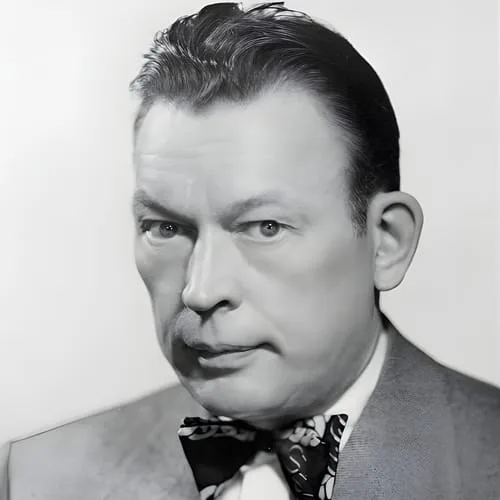
In the golden age of radio comedy, few personalities shone as brightly or cut as sharp a comedic figure as Fred Allen. A master of wit, satire, and improvisational humor, Allen transformed radio from a mere entertainment medium into an art form of biting social commentary and intellectual comedy. His razor-sharp tongue and unique comedic style made him one of the most celebrated and influential comedians of the mid-20th century.
The Making of a Comedian
Born John Florence Sullivan on May 31, 1894, in Cambridge, Massachusetts, Fred Allen's path to comedy was anything but straightforward. Orphaned at a young age, he was raised by his aunt Lizzie, who became a pivotal figure in his early life. As a young man, Allen discovered his passion for performance through an unlikely medium: juggling. Working at a local library, he began performing at amateur nights, initially billing himself as Fred St. James and later Freddy James. Allen's vaudeville career was characterized by a self-deprecating style that would become his trademark. He often billed himself as the "world's worst juggler," using his deliberately clumsy performances as a platform for comedic monologues. This approach gradually transformed his act from physical comedy to verbal wit, setting the stage for his future radio success.
The Rise of a Radio Icon
By the 1930s, Fred Allen had become a radio sensation. His show, Town Hall Tonight, which ran from 1932 to 1949, was renowned for its innovative comedy and satirical sketches. One of the most memorable segments was Allen's Alley, where a cast of stereotypical characters would respond to Allen's weekly question, offering commentary on current events and social issues. Allen's comedy was groundbreaking not just for its humor, but for its social commentary. While his characters might have seemed like stereotypes, they were often more nuanced than they appeared. As critics noted, Allen's characters were presented with such warmth and humor that they were rarely perceived as offensive. His ability to use comedy as a lens for social observation set him apart from his contemporaries.
The Legendary Feud with Jack Benny
No discussion of Fred Allen would be complete without mentioning his famous "feud" with fellow comedian Jack Benny. This long-running comedic rivalry was actually a carefully crafted performance that became one of the most celebrated running gags in radio history. Their exchanges were legendary for their wit and improvisation. The feud was so convincing that many listeners believed it was real. However, both comedians were close friends off-stage. When Allen passed away in 1956, Benny was profoundly affected, stating, "You couldn't have such a long-running and successful feud as we did, without having a deep and sincere friendship at the heart of it".
Beyond the Microphone
While radio was Allen's primary medium, he also ventured into other forms of entertainment. He appeared in several films, including Love Thy Neighbor (1940) and It's in the Bag (1945). In his later years, he became a successful writer, publishing memoirs like Treadmill to Oblivion and Much Ado About Me that provided insightful and humorous looks into the world of entertainment. Tragically, Allen's career was cut short when he suffered a heart attack during a late-night walk in New York City on March 17, 1956, at the age of 61. Despite his untimely death, his impact on comedy and broadcasting was immeasurable.
Legacy and Influence
Fred Allen's influence extended far beyond his own performances. He was a mentor and inspiration to many future comedians, including Johnny Carson, who adopted Allen's technique of turning failed jokes into comedic gold. His battles with radio censors and his innovative comedic style paved the way for future generations of satirists and comedians. Today, Fred Allen is remembered as one of radio's most brilliant comedic minds—a man who used humor not just to entertain, but to illuminate the absurdities of human nature and society.
Works and Appearances
Radio
- Town Hall Tonight (1932-1949)
- The Fred Allen Show (various iterations, 1945-1949)
Films
- The Installment Collector (1929)
- Love Thy Neighbor (1940)
- It's in the Bag (1945)
Books
- Treadmill to Oblivion (1954)
- Much Ado About Me (1956)
- Fred Allen's Letters (published posthumously in 1965)
Television
- Judge for Yourself (1950-1951)
- Fred Allen's Sketchbook (early 1950s)