Glamour Manor
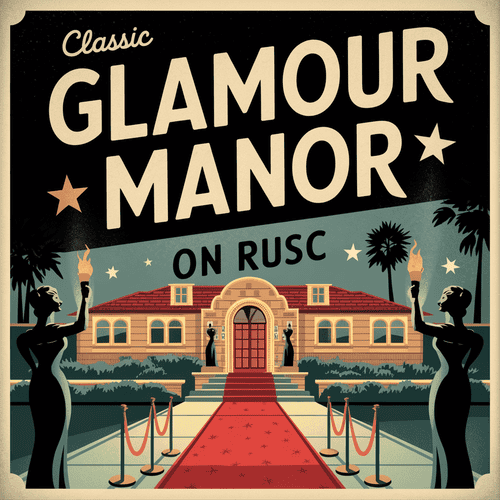
Glamour Manor was a delightful American daytime radio program that blended comedy, audience participation, and music into a unique entertainment package. Broadcast on the Blue Network from July 3, 1944, to June 27, 1947, this show offered listeners a humorous escape into the world of a fictional hotel and its eccentric inhabitants.
The series primarily fell into the genre of situation comedy, with elements of variety show mixed in. The premise revolved around the misadventures at Glamour Manor Hotel, a whimsical establishment with “33 delightful but dilapidated rooms and the odd assortment of guests who live in them.” This setting provided a rich backdrop for comedic scenarios and character interactions that kept audiences tuning in day after day.
What set Glamour Manor apart from other radio programs of its time was its innovative format. While Mondays, Wednesdays, and Fridays featured traditional situation comedy episodes, Tuesdays and Thursdays took a different approach. On these days, the show’s stars would interview members of the studio audience, adding an element of spontaneity and audience engagement that was quite novel for its time.
The Stars
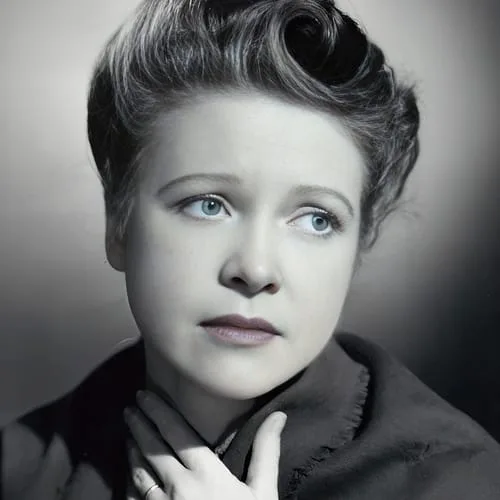
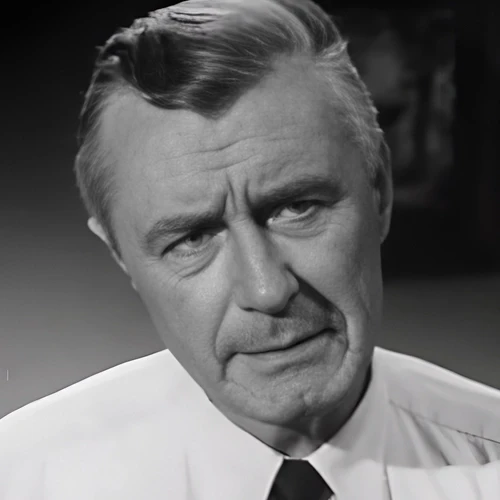
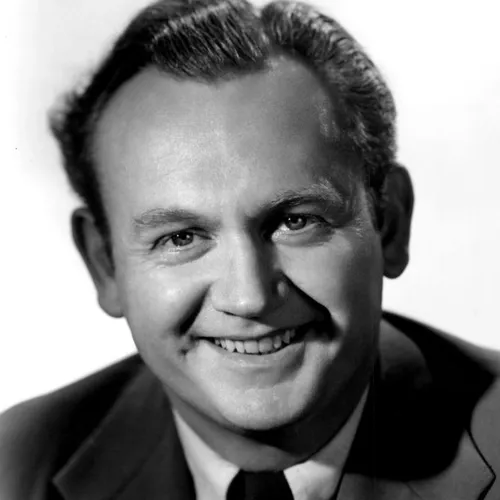
At the heart of Glamour Manor was the talented Cliff Arquette, who initially starred as the manager of the hotel he had inherited. Arquette’s versatility shone through as he not only played the main character but also took on the roles of Captain Billy and Mrs. Wilson, an elderly lady, showcasing his range as a performer.
Lurene Tuttle co-starred alongside Arquette in the show’s early days, playing Gloria Kenyon, the girlfriend of desk clerk Tyler. Tyler McVey brought the character of Tyler to life, adding to the dynamic cast of the hotel staff.
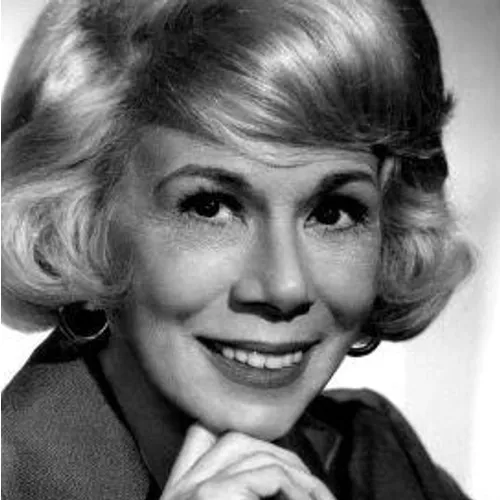
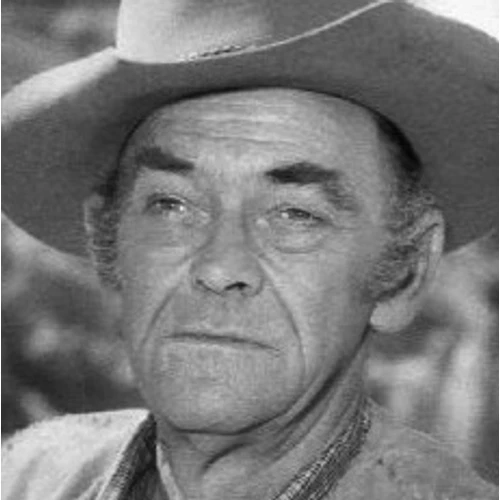
The ensemble was rounded out by a group of skilled actors who brought the various hotel guests and staff to vivid life. John McIntire portrayed Hamlet Mantel, while Bea Benaderet took on the intriguing role of Wanda Werewolf. Will Wright added to the comedic mix as Maloney, and the legendary silent film star Francis X. Bushman was also part of the talented cast.
As the show evolved, so did its cast. When the program moved to New York in January 1945, some changes occurred. While Arquette and McVey retained their roles, Tuttle was replaced by Jan Miner as Gloria, who was then succeeded by Virginia Vass. Arthur Vinton stepped in to play Hamlet Hantell, and Rolfe Sedan became known for his versatility in several roles.
In a significant shift in June 1946, Kenny Baker joined the cast as the “singing proprietor” and “slightly addled emcee” of the hotel when Arquette left for other work. Barbara Eiler was added as Barbara Dilley, the hotel’s bookkeeper and Baker’s girlfriend. The legendary announcer Don Wilson portrayed a boarder known for giving bad advice, while Sam Hearn played Schlepperman, a character who often complicated situations. Elvira Allman rounded out the cast as Mrs. Biddle, a socialite guest at the hotel.
Key Dates
- July 3, 1944: Glamour Manor makes its debut on the Blue Network.
- January 1945: The show relocates to New York, bringing about changes in the cast and production.
- September 1945: After an eight-week summer hiatus, Glamour Manor returns to Hollywood.
- June 1946: Kenny Baker joins the cast, taking over as the main character when Cliff Arquette departs.
- June 27, 1947: The final episode of Glamour Manor is broadcast, concluding its three-year run.
Other Information
Glamour Manor was sponsored by Procter & Gamble, with a focus on promoting their products Crisco and Ivory Snow. This sponsorship played a significant role in the show’s content, even influencing character additions such as Chief Quigley, the hotel’s cook, whose primary function was to “extoll the virtues of Crisco.”
The show’s musical elements were a key part of its charm. Hal Stevens and Ernie Newton served as the program’s singers, while Charles “Bud” Dant and Charlie Hale’s orchestra provided the musical backdrop. The theme song for Glamour Manor was the classic tune “There’s a Small Hotel,” setting the tone for each episode.
Audience participation was a unique feature of Glamour Manor. The show gave away daily prizes to members of the studio audience whose tickets were drawn from a fish bowl, adding an element of excitement for those attending the live broadcasts.
The program initially originated from studios at the iconic intersection of Sunset Boulevard and Vine Street in Hollywood, placing it at the heart of the entertainment industry. This location likely contributed to the show’s ability to attract high-profile guest stars and maintain its popularity.
Throughout its run, Glamour Manor saw several changes in production personnel. Betty Buckler was the original producer, but Keith McLeod took over the role in November 1944. The show also featured a rotating cast of announcers, including Jack Bailey, Bob Bruce, and Terry O’Sullivan, before Don Wilson took on the role in the later stages of the series.
The program’s format, blending situation comedy with audience interaction, was innovative for its time. This approach not only entertained listeners at home but also provided a unique experience for those attending the live broadcasts, creating a sense of community around the show.
Glamour Manor's success can be attributed to its talented cast, clever writing, and the ability to adapt to changes in location and personnel. The show’s premise of a quirky hotel filled with colorful characters provided endless opportunities for comedic situations and guest appearances, keeping the content fresh throughout its three-year run.
While Glamour Manor may not be as well-remembered as some other radio programs of the era, it represents an important chapter in the golden age of radio. Its blend of comedy, music, and audience participation showcased the versatility of the medium and the talents of its performers, leaving a lasting impression on the landscape of American entertainment in the 1940s.
Cast & Crew

Ratings & reviews
Loading reviews…
Episodes
Ned here. Forty-odd years I've spent with these old shows — and if you took to Glamour Manor, I'd wager my last valve you'll love this lot.