Eddie Anderson
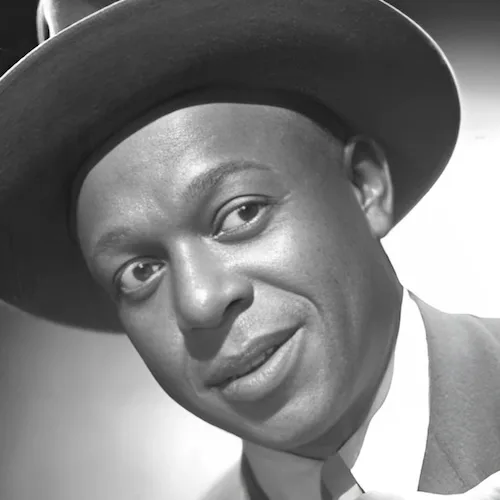
In the golden age of radio comedy, few personalities were as iconic and beloved as Eddie "Rochester" Anderson. With his distinctive gravelly voice and quick-witted humor, Anderson became a groundbreaking performer who transcended racial barriers in entertainment during a challenging time in American history.
From Oakland Streets to Vaudeville Stages
Born Edmund Lincoln Anderson on September 18, 1905, in Oakland, California, Eddie's early life was marked by economic challenges and artistic ambition. The son of a performer father and a mother who had been a performer herself, Anderson was destined for the stage. At just 14 years old, he left school to help support his family, initially working as an errand boy. Anderson's entry into show business was as dynamic as his future career. He began in vaudeville, initially as a dancer, and quickly discovered his talent for comedy. A pivotal moment in his vocal development came when he ruptured his vocal cords while selling newspapers, which gave him the trademark gravelly voice that would become his signature.
The Birth of Rochester: A Groundbreaking Radio Career
Anderson's breakthrough came on The Jack Benny Program, where he was first hired for a one-time role in 1937. His performance was so compelling that he was invited to become a regular cast member, playing Rochester van Jones, Jack Benny's witty and sardonic valet. This role was revolutionary - Anderson became the first African American to have a regular role on a nationwide radio program. The Rochester character quickly became immensely popular. By 1940, Anderson was so beloved that he was even elected the "Mayor of Central Avenue" in Los Angeles's black community, a position he used to advocate for important social issues. During World War II, Rochester was second only to Benny in popularity, frequently receiving the most enthusiastic applause.
Breaking Racial Barriers in Entertainment
Anderson's relationship with Jack Benny was unique for its time. Benny was known for actively combating racial discrimination, often standing up for Anderson in situations of prejudice. When hotels refused to accommodate Anderson due to racial segregation, Benny would threaten to move his entire cast and crew in solidarity. The portrayal of Rochester evolved significantly over time. Initially featuring stereotypical elements, the character became more nuanced after World War II. Benny and his writers consciously worked to remove stereotypical aspects, ensuring that racial humor was minimized and Rochester was portrayed with dignity.
Beyond Radio: A Multifaceted Performer
While best known for radio, Anderson had a robust career across multiple entertainment platforms. He appeared in over 60 films, including significant roles in Green Pastures (1936) and Cabin in the Sky (1943). He was also among the highest-paid African American performers of his time, earning $100,000 annually in the 1940s.
Legacy and Impact
Eddie Anderson passed away on February 28, 1977, leaving behind a remarkable legacy. He was not just a comedian, but a trailblazer who helped reshape racial representation in American entertainment. His work with Jack Benny challenged stereotypes and opened doors for future generations of African American performers.
Works and Appearances
Radio
- The Jack Benny Program (1937-1965) - Rochester van Jones
Television
- The Jack Benny Program (1950-1965)
- What's My Line? (Guest appearance, 1952)
- The Green Pastures (1957)
Film
- Green Pastures (1936) - Noah
- Cabin in the Sky (1943) - Joseph 'Little Joe' Jackson
- Buck Benny Rides Again (1940)
Other Media
- Voice acting in animated series in early 1970s
- Attempted Broadway revival (early 1970s)
Eddie "Rochester" Anderson's journey from Oakland's streets to becoming a national radio icon remains a testament to his extraordinary talent, resilience, and groundbreaking spirit.
Heard in