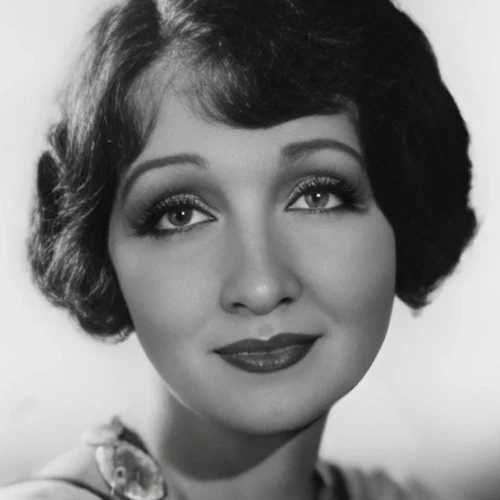
In the golden age of Hollywood, few personalities wielded as much power and influence as Hedda Hopper, a formidable gossip columnist whose radio broadcasts and newspaper columns could make or break careers in the entertainment industry. Born Elda Furry in 1885, Hopper transformed herself from a struggling actress into a media powerhouse whose voice resonated across America's radio waves and print media.
From Stage to Microphone: Hopper's Early Broadcasting Career
Hedda Hopper's journey into broadcasting began as a natural extension of her acting and journalism career. After appearing in over 120 movies during the 1910s and 1920s, she transitioned to writing gossip columns and radio programming. Her first significant radio venture came in 1939 when she debuted The Hedda Hopper Show, a program that would become a staple of Hollywood entertainment reporting. Her radio show was more than just a gossip platform; it was a carefully crafted performance. Hopper would host weekly programs that featured interviews, dramatized movie excerpts, and insider Hollywood stories. Between 1939 and 1947, she appeared on multiple networks, including CBS and NBC, bringing her caustic wit and insider knowledge directly into American living rooms.
The Power of the Microphone: Hopper's Unique Broadcasting Style
What set Hopper apart was her unabashed approach to celebrity reporting. Her radio broadcasts were known for their sharp commentary and willingness to expose Hollywood's hidden narratives. She wasn't just reporting gossip; she was creating it. Her shows often featured well-known stars, turning each broadcast into a must-listen event for entertainment enthusiasts. Hopper's influence extended beyond mere entertainment. She used her platform as a political tool, particularly during the McCarthy era. Her radio programs and columns were instrumental in exposing what she perceived as Communist sympathizers in Hollywood, making her a controversial but undeniably powerful media figure.
Radio and Beyond: Hopper's Multimedia Empire
While radio was a significant part of her career, Hopper was a true multimedia personality. Her radio shows complemented her newspaper columns, which reached an astounding 35 million readers at the height of her influence. She seamlessly transitioned between mediums, using radio to amplify her written work and vice versa. Her radio career also included guest appearances on popular shows like What's My Line?, where she became a familiar face to audiences beyond her regular programming. These appearances further cemented her status as a household name.
Legacy of a Hollywood Provocateur
Hedda Hopper's legacy is complex and multifaceted. She was simultaneously admired and feared, a kingmaker who could launch careers or destroy them with a single broadcast or column. Her radio shows were more than entertainment; they were a cultural phenomenon that reflected the social and political tensions of mid-20th century America. When Hopper passed away in 1966, she left behind a remarkable legacy of broadcasting and journalism. Her fearless approach to reporting, combined with her theatrical flair, had transformed the landscape of celebrity journalism forever.
Works and Appearances
Radio
- The Hedda Hopper Show (1939-1947)
- Weekly radio program featuring Hollywood interviews and gossip
This Is Hollywood (1946-1947)15-minute CBS programGuest appearances on What's My Line? (1951-1963)Television
- Hedda Hopper's Hollywood (1960)
- Television special featuring celebrity interviews
Multiple guest appearances on variety showsFilm
- Appeared as herself in Sunset Boulevard (1950)
- Cameo in The Oscar (1966)
Publications
- From Under My Hat (1952)
- The Whole Truth and Nothing But (1962)
Hedda Hopper's multifaceted career demonstrates the profound impact one personality could have in the interconnected worlds of radio, film, and print media during Hollywood's golden age.