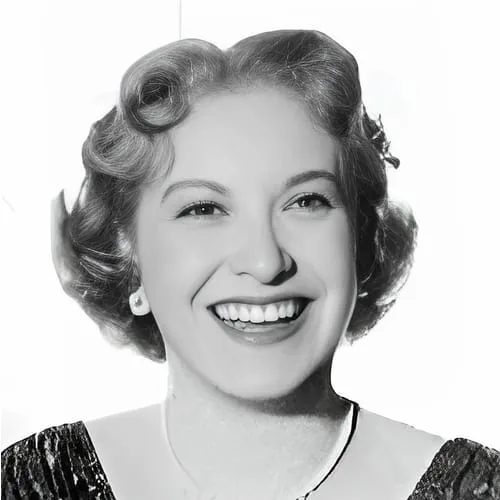
Gracie Allen
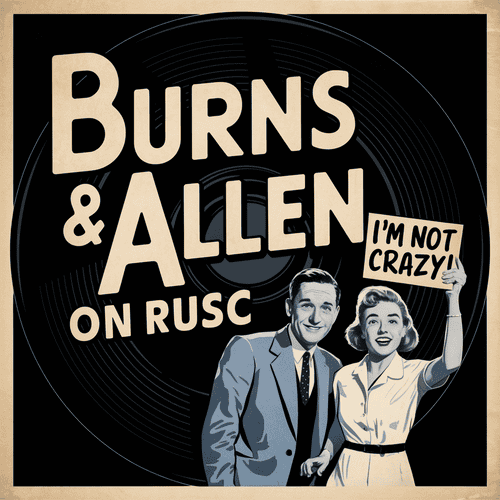
In the golden age of radio comedy, few performers captured the hearts of America quite like Gracie Allen. Her unique comedic style, characterized by a delightful blend of innocence and absurdity, revolutionized entertainment and established her as one of the most beloved performers of the 20th century. Partnered with her husband George Burns, Gracie created a comedy duo that would become legendary in American entertainment history.
Early Life and Theatrical Beginnings
Born Grace Ethel Cecile Rosalie Allen on July 26, 1895, in San Francisco, California, Gracie emerged from a family with theatrical roots. Her father, George Allen, was a song and dance man who abandoned the family when Gracie was young. Despite this challenging start, she discovered her passion for performance early, making her first stage appearance at just three years old. Allen's early career was marked by family performances. She and her three sisters were initially billed as "The Four Colleens", performing vaudeville acts. Her natural comedic talents began to shine through during these early performances, setting the stage for her future success.
The Birth of a Comedy Partnership
In 1922, Gracie's life changed dramatically when she met George Burns during a performance. Their professional and personal partnership would become one of the most celebrated in entertainment history. Initially, Burns was the primary comedian, with Allen playing the straight role. However, Burns quickly realized that Allen's comedic lines were generating more laughter, so he strategically repositioned their act to highlight her unique comedic style. Their comedy was revolutionary. As Burns described it, "All I had to do was say, 'Gracie, how's your brother?' and she talked for 38 years." Allen's character was brilliantly crafted - she played the "dizziest dame in the world" with such sincerity that her seemingly nonsensical responses appeared completely rational.
Radio and Media Domination
The Burns and Allen radio show became a cultural phenomenon. Starting in the early 1930s, they transitioned from vaudeville to radio, eventually developing a situation comedy format that became immensely popular. Their show wasn't just comedy; it was a carefully crafted performance that made audiences feel like they were part of their lives. Allen was known for her incredible publicity stunts. In 1940, she famously "ran for president" on the Surprise Party ticket, embarking on a cross-country campaign tour that included live radio performances in various cities. Her campaign quips, like "Everybody knows a woman is better than a man when it comes to introducing bills into the house," showcased her brilliant comedic timing.
Expanding Beyond Radio
Beyond radio, Gracie Allen was a versatile performer. She appeared in numerous films, including a memorable performance with Fred Astaire in A Damsel in Distress (1937), where she and Burns even taught Astaire a dance routine. Her film career included comedies, musicals, and even mystery films where she was the star. In 1949, Burns and Allen transitioned to television with their show Burns and Allen, continuing their successful radio formula of playing themselves and concluding each episode with their classic vaudeville-style dialogue. Allen retired from performing in 1958, and Burns attempted to continue the show without her, but it lasted barely a year.
Legacy and Personal Life
Gracie Allen was more than just a comedian; she was a trailblazer. Costar Jack Benny said of her in 1966, "She was probably one of the greatest actresses of our time". Her contributions were recognized with a star on the Hollywood Walk of Fame and induction into the Television Hall of Fame. Personally, Allen and Burns adopted two children and maintained a loving, though not entirely perfect, marriage. Burns publicly admitted to a one-time infidelity, which Allen knew about but never discussed. Tragically, Allen passed away on August 27, 1964, from a heart attack, leaving behind a legacy of laughter and innovation.
Works and Appearances
Radio
- The Robert Burns Panatella Show (1932-1933)
- The Adventures of Gracie (1934-1935)
- Maxwell House Coffee Time (1945-1949)
Films
- Lambchops (1929)
- A Damsel in Distress (1937)
- College Swing (1938)
- Mr. and Mrs. North (1942)
Television
- Burns and Allen (1949-1958)
Gracie Allen's career spanned multiple decades and mediums, but her true genius was her ability to make audiences laugh with her unique, seemingly naive yet incredibly intelligent comedic style. She wasn't just a performer; she was an artist who transformed comedy forever.