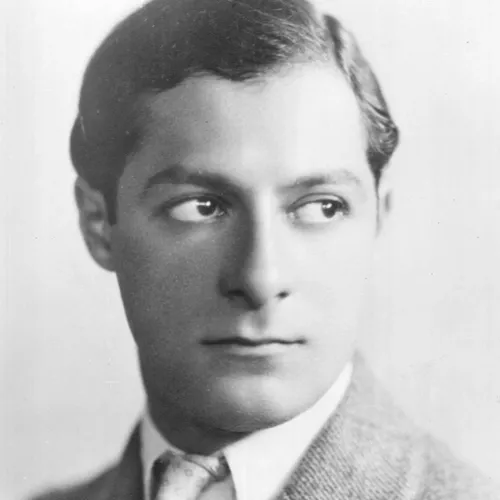
George Jessel
In the vibrant world of early 20th-century entertainment, few personalities shone as brightly or diversely as George Albert Jessel. A vaudeville performer, actor, comedian, and radio personality, Jessel carved out a unique niche in American show business that spanned multiple decades and mediums.
Early Years and Vaudeville Beginnings
Born on April 3, 1898, in New York City, George Jessel emerged from humble beginnings that would shape his remarkable career. After his father's death, young George became the primary breadwinner for his family, taking to the stage at an incredibly young age. By the time he was 10, he was already appearing in performances and on Broadway, demonstrating a precocious talent that would define his future. His early years were marked by innovative performance strategies. With his friend Eddie Cantor, Jessel formed The Imperial Trio, a harmony group of theater ushers who would entertain patrons. This entrepreneurial spirit and willingness to perform anywhere would become hallmarks of his career. He partnered with various performers, including Jack Wiener, using creative stage names and developing his comedic skills.
Rise to Radio and Entertainment Prominence
Jessel's breakthrough came through his vaudeville performances, where he developed a signature comedy routine called "Hello Mama" or "Phone Call from Mama," which portrayed a one-sided telephone conversation. This innovative comedic approach showcased his unique timing and wit. In 1919, he produced his first solo show, George Jessel's Troubles, and began establishing himself as a notable entertainer. His talents extended beyond comedy. Jessel co-wrote hit lyrics and recorded successful singles like "The Toastmaster" in 1921. These early achievements set the stage for his broader entertainment career, which would include film, radio, and live performances.
Transition to Broader Media
While Jessel's film career didn't reach the same heights as some contemporaries, he remained a significant figure in entertainment. He appeared in numerous films, often playing himself or characters close to his public persona. Notably, he was offered the lead in The Jazz Singer but turned it down due to salary disputes, a role that went to Al Jolson. In the mid-1940s, Jessel transitioned into film production, creating 24 films through the 1950s and 1960s. He became renowned on the banquet circuit for his witty, good-natured celebrity roasts, earning him the nickname "Toastmaster General of the United States".
Legacy and Later Career
Jessel's later career was marked by continued performance and controversial political stances. He hosted radio shows, appeared in variety programs, and remained active in entertainment. However, his outspoken conservative political views sometimes overshadowed his performances. Despite challenges, Jessel was recognized for his contributions. In 1969, he was honored with a Special Jean Hersholt Humanitarian Award, acknowledging his charitable work. His star on the Hollywood Walk of Fame further cemented his place in entertainment history.
Works and Appearances
Radio
- The George Jessel Show (1953-1954)
- Guest appearances on The Jimmy Durante Show
- Here Come the Stars (Syndicated variety show, 1968)
Film
- Stage Door Canteen (1943) - As Himself
- Four Jills in a Jeep (1944) - Master of Ceremonies
- Valley of the Dolls (1967) - MC Grammy Awards
- Reds (1981) - As Himself/Witness
Television
- Various variety show appearances
- Guest starring roles in multiple programs throughout the 1950s and 1960s
Stage
- George Jessel's Troubles (1919) - Solo Show
- Various vaudeville performances
Books
- So Help Me (1943)
- This Way, Miss (1955)
- The World I Lived In (1975)
George Jessel passed away on May 23, 1981, leaving behind a complex legacy of entertainment, comedy, and cultural commentary that reflected the changing landscape of 20th-century American show business.
Heard in