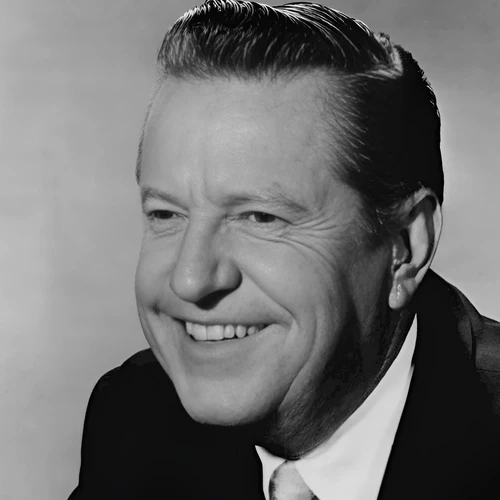
Ben Alexander
An Emmy-nominated American motion picture actor, who started out as a child actor in 1916.
Ben Alexander was a multifaceted performer whose career spanned the golden age of radio, silent films, and television, making him a distinctive figure in American entertainment. From child actor to radio personality and television star, Alexander's journey through the media landscape was marked by remarkable versatility and enduring popularity.
Early Life and Theatrical Beginnings
Born Nicholas Benton Alexander III on June 27, 1911, in Goldfield, Nevada, Ben Alexander began his entertainment career at an extraordinarily young age. As a child actor in the silent film era, he appeared in numerous productions, demonstrating remarkable talent from his earliest years. His early film work included roles in silent movies throughout the 1910s and 1920s, where he portrayed characters in films like Penrod and established himself as a promising young performer. Despite his early success, Alexander's path was not always smooth. After receiving earnings from the classic film All Quiet on the Western Front (1930), he was able to attend Stanford University. However, financial constraints during the Great Depression forced him to leave school. This setback did not deter Alexander, who pivoted to explore new avenues in entertainment.
Radio and Broadcasting Career
Alexander's radio career was diverse and dynamic. In the late 1940s, he found success as a radio performer, including a notable stint on various programs. One of his significant radio roles was playing Philip West in the 1939-40 soap opera Brenthouse. His versatility was evident in his ability to host and participate in different radio formats. From October 1950 to January 1951, Alexander hosted Party Time at Club Roma, a nightly television show described as "part stunt show and part talent contest". This period demonstrated his ability to transition seamlessly between radio and emerging television mediums.
Television and the Dragnet Era
Ben Alexander's most iconic role came with the television series Dragnet, where he played Officer Frank Smith alongside Jack Webb. From 1952 to 1959, he was a regular cast member, becoming a familiar face to millions of Americans. Webb personally selected Alexander to replace a previous actor, recognizing his unique talents. Interestingly, Alexander was not just an actor but also a savvy businessman. He owned and operated Ben Alexander Ford car dealerships in Los Angeles and San Francisco, showcasing his entrepreneurial spirit. In a remarkable twist, he even produced and hosted The Ben Alexander Show, a talent show on Oakland's TV, which was sponsored by his own auto dealership.
Later Career and Personal Life
Beyond acting, Alexander was a multi-talented personality. He was a semi-regular panelist on Take a Good Look, a game show he affectionately described as "unrigged and unrehearsed". His personal life was equally rich; he was married to Lesley Smith, and they had two children. Tragically, Ben Alexander's life was cut short. On July 5, 1969, he passed away from a massive heart attack at his home. For his contributions to entertainment, he was awarded three stars on the Hollywood Walk of Fame, commemorating his work in television, radio, and movies.
Legacy and Impact
Ben Alexander represents a quintessential figure of mid-20th century American entertainment. His ability to transition from child actor to radio personality to television star exemplifies the dynamic media landscape of his era. His work on Dragnet particularly solidified his place in television history, making him a memorable part of American popular culture.
Works and Appearances
Radio
- Brenthouse (1939-1940) - Philip West
- Party Time at Club Roma (1950-1951) - Host
Television
- Dragnet (1952-1959) - Officer Frank Smith
- Take a Good Look (1959-1960) - Panelist
- The Ben Alexander Show (1960-1961) - Host
Film
- All Quiet on the Western Front (1930) - Franz Kemmerich
- Numerous silent films from 1916-1935
Ben Alexander's career serves as a testament to the adaptability and creativity required in the rapidly evolving world of mid-20th century entertainment.