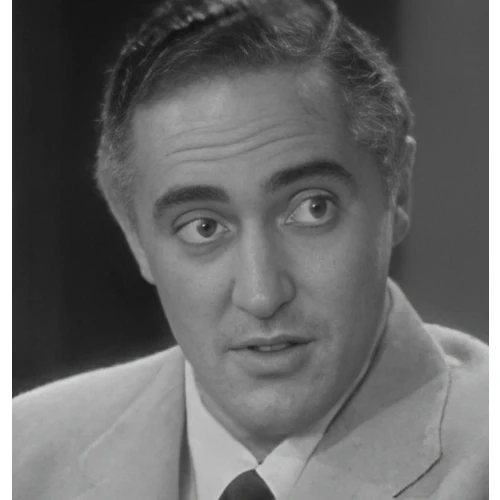
Sheldon Leonard
Few figures moved as nimbly from the studio microphone to the control booth—and then to the top tiers of early television—as did Sheldon Leonard. Celebrated for a gravelly, streetwise voice that could paint a character in a single line, he became a versatile presence on radio as a host, actor, director, and producer. Then, leveraging those hard-won instincts, he helped shape the grammar of American TV comedy and adventure in the medium’s formative decades.
Finding a Voice on the Air
On radio, Sheldon Leonard quickly became recognizable for a tough-guy cadence that could pivot from menace to mirth. That signature sound made him a favorite in both dramas and comedies; his voice alone could cue a mood, conjure a setting, or telegraph a joke’s punchline. Audiences and sponsors alike grew to trust that presence, which arrived fully formed in living rooms week after week. His gift for easy conversation and deft pacing found a natural showcase in the music-and-talk format of Sheldon’s Album of the Week. As host, Leonard framed records with personable commentary and interviews, treating listeners not as a crowd but as companions. The show spotlighted his curatorial ear and his knack for keeping a program moving while allowing room for personality to breathe. Beyond hosting, Leonard’s voice work threaded through assorted radio dramas and comedies. He could be credibly streetwise one moment and slyly humorous the next, a flexibility that made him a dependable player across formats. That cross-genre agility became a hallmark of his radio years and a foundation for the multi-hyphenate career that followed.
Behind the Microphone: Director and Producer
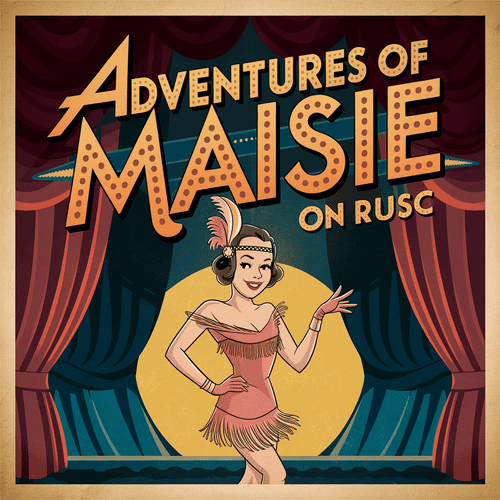
Leonard’s influence on radio extended well past performance. He directed and produced programs, bringing a keen sense of pace, casting, and story emphasis to the medium’s assembly line of weekly entertainment. On a show like The Adventures of Maisie, he balanced banter with brisk plotting, keeping character humor front-and-center without losing narrative momentum. Work on marquee adventure fare such as The Lone Ranger called for different muscles: orchestration of effects, timing of reveals, and confident control of cliffhangers. Leonard understood how to let sound paint pictures, using pauses, cues, and dynamic contrast so that listeners could “see” the action in their minds. That sensitivity to audio storytelling is one reason his radio direction stands out. As a producer, he also had to harmonize creative aims with sponsor expectations and network logistics. Leonard learned to calibrate tone to time slot, to shape variety within constraints, and to cast performers whose voices could carry both character and clarity over the air. Those skills, forged under weekly deadlines, became invaluable when he stepped into the faster, more visual world that awaited him. Finally, his behind-the-scenes radio work sharpened one of Leonard’s enduring strengths: building ensembles. Whether managing comics or dramatic leads, he knew how to combine distinctive voices so that each enhanced the others—a talent he would later employ on some of television’s definitive ensemble shows.
From Radio Savvy to Television Clout
By the early years of TV, Sheldon Leonard was more than a familiar voice—he was an engine of production. Carrying over his radio discipline, he helped steer multiple landmark series. With The Danny Thomas Show (also known as Make Room for Daddy), Leonard shaped the rhythms of a durable family sitcom, demonstrating how character-first writing and tight timing could anchor a long-running hit. He brought similar judgment to the warm, small-town charm of The Andy Griffith Show, where the comedy plays in concert with setting and persona, and to the sophisticated, writerly elegance of The Dick Van Dyke Show. Leonard’s experience in audio taught him to privilege clear story beats and ensemble interplay; in television, that translated into episodes that breathe while still snapping to attention when the jokes and emotions land. Leonard also proved adept at developing star vehicles and extending successful worlds. Gomer Pyle, U.S.M.C. showcased his eye for character-centered spinoffs that retain their own identity. With I Spy, he backed a sleek, globe-trotting adventure series whose blend of wit and action felt modern without losing the clarity of classical storytelling—an equilibrium honed from years of crafting radio narratives that had to be both vivid and economical. In each case, the through-line is evident: radio’s demand for precision and personality became television’s advantage. Leonard’s programs are organized around voices—literal and figurative—and his command of rhythm, reveal, and rapport kept those voices distinct and engaging on screen.
Style, Technique, and Enduring Influence
Across media, Leonard favored clean story architecture, crisp transitions, and performances that read instantly. On radio, that meant soundscapes that suggested more than they spelled out, and voices that carried character in their grain. On television, it meant staging and editing in service of dialogue and relationship—choices that help explain the staying power of the shows he guided. He also excelled at tone management. Leonard could dial the temperature from broad to subtle without losing coherence, letting comedy and sentiment sit side-by-side. The same instinct that let him host music and conversation one day and direct a galloping adventure the next also helped him oversee sitcoms where jokes and heart coexist. For later generations of producers and showrunners, Leonard models a pragmatic artistry: master the craft’s logistics, trust performers, and keep story beats clean. His path—from radio voice to radio producer to television architect—mapped a route many would follow, but few would navigate with such consistency and flair. In sum, Sheldon Leonard stands as a bridge between the golden age of radio and television’s coming-of-age. As host, actor, director, and producer, he helped define how American entertainment sounded and then how it looked—leaving a lineage of shows that still play with freshness and snap.
Works and Appearances
Radio
- Sheldon’s Album of the Week
- The Adventures of Maisie (1940s–1950s)
- The Lone Ranger (1930s–1950s)
- Various dramas and comedies (1930s–1950s)
Television
- Make Room for Daddy/The Danny Thomas Show (1953–1964)
- The Andy Griffith Show (1960–1968)
- The Dick Van Dyke Show (1961–1966)
- Gomer Pyle, U.S.M.C. (1964–1969)
- I Spy (1965–1968)
Cinema
- It’s a Wonderful Life (1946)
- Guys and Dolls (1955)
Heard in