Lee Bowman
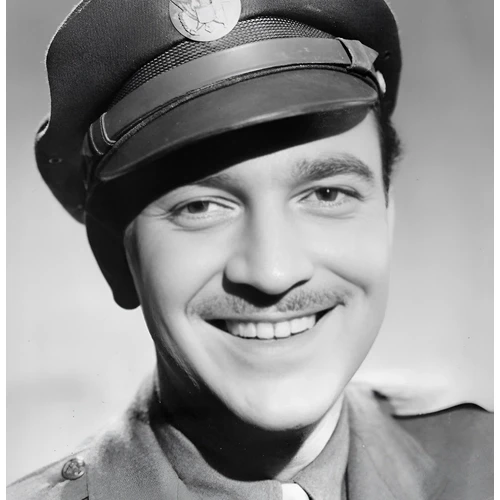
Lee Bowman (December 28, 1914 – December 25, 1979) was an American film and television actor.
Lee Bowman was a versatile actor whose career spanned radio, film, television, and eventually media consulting, embodying the dynamic entertainment landscape of mid-20th century America. Though primarily known for his suave on-screen presence, Bowman was a significant figure in radio broadcasting, bridging the worlds of performance and communication.
Early Life and Radio Beginnings
Born on December 28, 1914, in Cincinnati, Ohio, Lee Bowman initially pursued legal studies before discovering his true calling in performance. Dropping out of law school, he enrolled at the American Academy of Dramatic Arts, where he honed his craft and developed the smooth, articulate speaking style that would define his career. His early professional journey was marked by versatility. Before establishing himself in Hollywood, Bowman worked as a radio singer and appeared in stock theater productions. His breakthrough came when a talent agent spotted his potential, leading him to Hollywood in 1934. During this transitional period, radio became a crucial platform for Bowman to showcase his vocal talents and acting range.
Rise in Radio Broadcasting
Bowman quickly became a sought-after radio actor, leveraging his distinctive voice and engaging performance style. His radio work was characterized by a natural, conversational delivery that made him popular with audiences. One notable moment in his radio career was his involvement in an audition program that would later evolve into a significant television series, though he was not ultimately cast in the final production. Throughout the 1940s and early 1950s, Bowman made numerous radio appearances, demonstrating his versatility across different genres. He was featured in prestigious anthology programs like Suspense and Cavalcade of America, which were hallmarks of the golden age of radio broadcasting.
Transition to Television and Media Consulting
As television emerged, Bowman seamlessly transitioned between mediums. He made his TV debut in 1950 and became a regular television performer, with guest appearances in various popular series. Notably, he became television's second Ellery Queen, stepping into the role after the first actor's unexpected death. In a fascinating career pivot, Bowman became a pioneer in media training during the late 1960s. Hired by the Nixon administration, he helped freshman representatives and politicians improve their communication skills, essentially coaching them on delivery, content, and staging. From 1974 until his death, he served as Chairman of the Kingstree Group, an international consulting firm specializing in communication advice.
Legacy and Personal Life
Bowman's career was marked by adaptability and continuous reinvention. While he might not have become a leading Hollywood star, he maintained a steady and respected presence across multiple entertainment platforms. His ability to transition from actor to media consultant demonstrated his deep understanding of communication dynamics. Personally, Bowman was married to Helene Rosson, and they had two children. His son, also named Lee Bowman, continued the family's involvement with the Kingstree Group. On Christmas Day 1979, just three days before his 65th birthday, Lee Bowman passed away, leaving behind a multifaceted legacy in American entertainment and communication.
Works and Appearances
Radio
- Suspense (1952) - Various episodes
- Cavalcade of America (1952-1953) - Multiple appearances
Television
- Ellery Queen (Early 1950s) - Second actor to play the role
- Various guest appearances in television series
Film
- Numerous film roles from 1937-1964, including:
- The Impatient Years (1944)
- Bataan (1943)
Media Consulting
- Nixon Administration Media Trainer (1969)
- Chairman, Kingstree Group (1974-1979)
Lee Bowman's journey from radio actor to media consultant exemplifies the dynamic and evolving nature of mid-20th century American media, making him a fascinating figure in broadcasting history.
Heard in