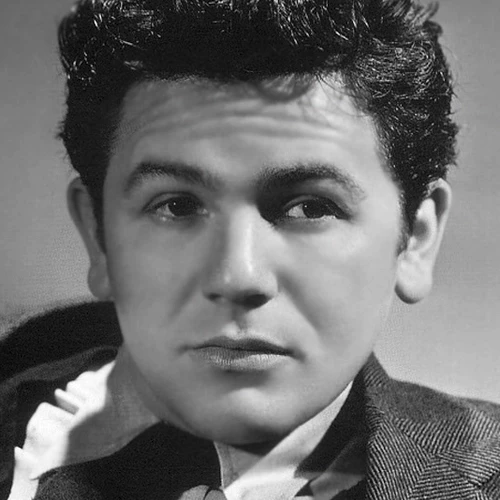
John Garfield was not primarily a radio personality, but a groundbreaking actor whose dynamic performances and tumultuous life story epitomized the rebellious spirit of mid-20th century American entertainment. While his radio career was notable, his broader impact on performing arts was far more significant.
Early Life and Theatrical Roots
Born Jacob Julius Garfinkle on March 4, 1913, in New York City's Lower East Side, Garfield emerged from a challenging childhood marked by poverty and loss. Growing up in tenement neighborhoods, he learned street survival skills that would later inform his raw, authentic acting style. As a young man, he discovered theater as a transformative pathway, taking acting lessons and volunteering at experimental theater collectives. His early theatrical training with the influential Group Theatre provided crucial foundations for his performance approach. Here, Garfield developed a spontaneous, intensely physical acting technique that would revolutionize screen performance. His approach was characterized by an unprecedented emotional abandon that made dialogue feel like genuine speech.
Radio and Performance Breakthrough
While not exclusively a radio performer, Garfield made significant radio appearances that complemented his film and stage work. Between 1941 and 1948, he participated in several notable radio programs, including Lux Radio Theatre, Theatre Guild on the Air, and Screen Guild Players. His radio performances often adapted his film roles, allowing audiences to experience his distinctive acting style through sound alone. Programs like "Dust Be My Destiny" and "Blood on the Sun" showcased his ability to translate his intense screen persona to audio mediums.
Hollywood and Political Challenges
Garfield's Hollywood career was marked by groundbreaking performances and political controversy. He became a prominent actor at Warner Bros., receiving Academy Award nominations for Four Daughters (1938) and Body and Soul (1947). During World War II, he supported the war effort by entertaining troops and starring in patriotic films. However, the House Un-American Activities Committee (HUAC) investigations dramatically altered his career. Despite refusing to "name names" during communist investigations, Garfield was blacklisted, effectively ending his Hollywood trajectory. His principled stand came at tremendous personal and professional cost.
Legacy and Personal Struggle
Garfield's refusal to compromise his principles defined his legacy. When offered a chance to clear his name by betraying his wife's political associations, he angrily rejected the FBI's proposition. This defiance ultimately contributed to his professional marginalization and personal stress. Tragically, Garfield died young at 39, with some believing the political persecution significantly contributed to his early demise. His wife Roberta later suggested that Hollywood executives had used him as a scapegoat.
Conclusion
John Garfield represented a transformative figure in American performing arts—an actor who brought unprecedented authenticity and social consciousness to his craft. His journey from New York's streets to Hollywood stardom, and his principled resistance to political witch hunts, made him an enduring symbol of artistic integrity.
Works and Appearances
Radio Appearances
- Lux Radio Theatre - "Dust Be My Destiny" (1941)
- Theatre Guild on the Air - "They Knew What They Wanted" (1946)
- Screen Guild Players - "Saturday's Children" (1947)
- Suspense - "Death Sentence" (1948)
Film Highlights
- Four Daughters (1938)
- Body and Soul (1947)
- Gentleman's Agreement (1947)
- He Ran All the Way (1951)
Broadway Productions
- Counsellor-at-Law
- Skipper Next to God (1947)
- Golden Boy (1952)