It’s Higgins, Sir was a delightful radio comedy program that graced the airwaves of the United States for a brief but memorable run in the summer of 1951. This charming series, which aired on NBC, centered around the amusing adventures of an English butler named Higgins, who found himself unexpectedly employed by an American family.
The premise of the show was both simple and ripe for comedic potential. A British relative had bequeathed Higgins to an unsuspecting American family, leading to a clash of cultures and expectations. Each episode focused on Higgins’ attempts to adjust to life in America and his new employers, while the family simultaneously grappled with the novelty of having a butler in their household.
At its core, It’s Higgins, Sir was a fish-out-of-water tale, blending elements of situational comedy with the charm of cultural misunderstandings. The series expertly played on the contrasts between British formality and American informality, creating a rich tapestry of humorous scenarios that kept listeners entertained throughout its run.
While the show’s lifespan was relatively short, running for just a single summer season, it left an indelible mark on the landscape of radio comedy. The program’s clever writing, coupled with the stellar performances of its cast, ensured that It’s Higgins, Sir would be remembered fondly by fans of old-time radio long after its final broadcast.
The Stars
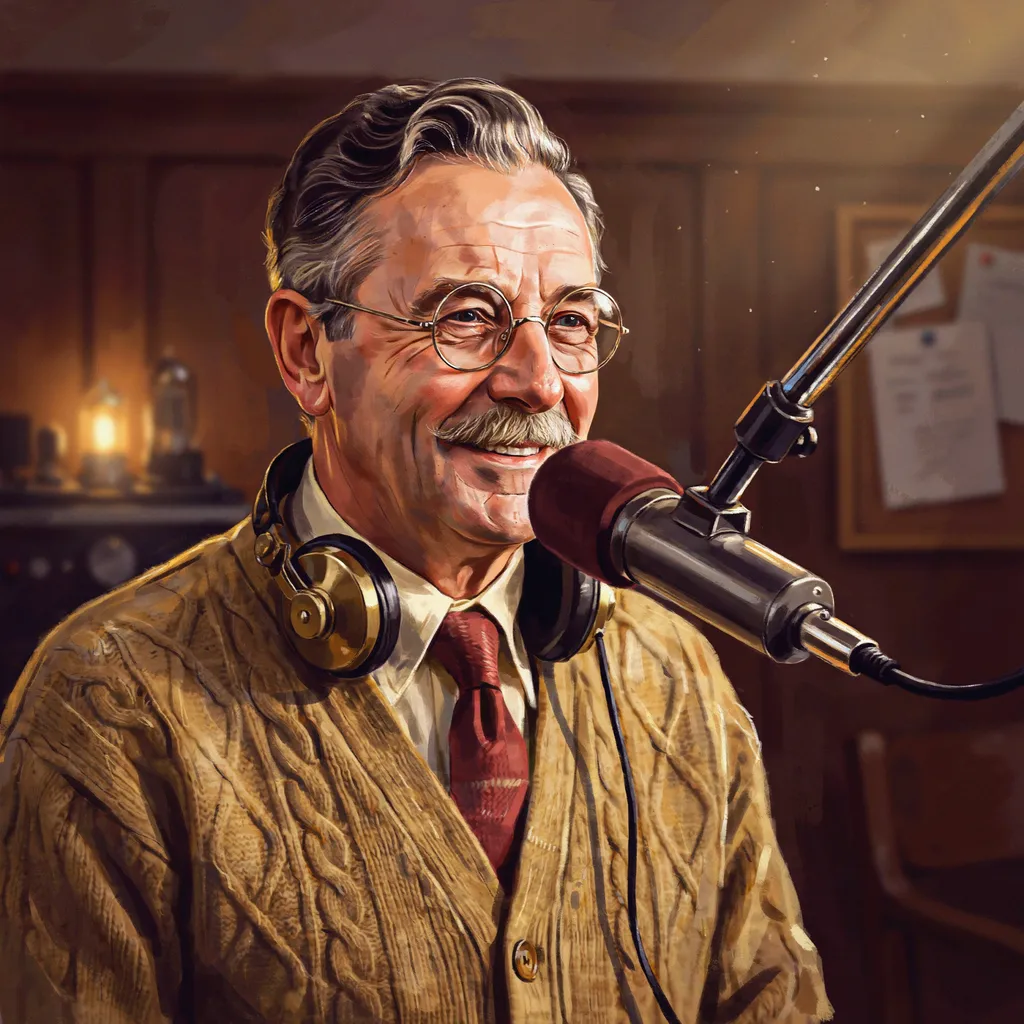
At the heart of It’s Higgins, Sir was the incomparable Harry McNaughton, who brought the titular character of Higgins to life with impeccable comedic timing and charm. McNaughton’s portrayal of the proper English butler trying to navigate the unfamiliar waters of American life was the driving force behind the show’s success. His ability to deliver lines with just the right mix of bewilderment and British stiff-upper-lip resolve made Higgins a character that listeners couldn’t help but root for.
Supporting McNaughton was a talented ensemble cast that helped create the world of the show. Vinton Hayworth and Peggy Allenby were among the regulars, likely portraying members of the American family that inherited Higgins. Charles Nevil and Pat Hosley also lent their talents to the series, rounding out the household and providing plenty of opportunities for comedic interactions with the butler.
The cast also included Denise Alexander, who would later go on to have a successful career in television soap operas. Ethel Wilson and Adelaide Klein completed the regular lineup, each bringing their own unique flair to the show and contributing to the overall chemistry of the cast.
Together, this ensemble created a believable and entertaining family unit, with Higgins at the center, trying his best to maintain his dignity while adapting to his new circumstances. The interplay between the characters and the situations they found themselves in was a testament to both the quality of the writing and the skill of the performers.
Key Dates
- July 3, 1951: It’s Higgins, Sir made its debut on NBC, stepping in as the summer replacement for the popular The Bob Hope Show. This premiere marked the beginning of what would be a short but memorable run for the comedy series.
- September 25, 1951: The final episode of It’s Higgins, Sir aired, bringing the summer season to a close. Despite its brief time on the air, the show had managed to carve out a niche for itself and leave a lasting impression on its audience.
- Throughout its run from July to September, It’s Higgins, Sir aired weekly, providing listeners with a consistent dose of laughter and entertainment during the summer months when many regular programs were on hiatus.
Other Information
It’s Higgins, Sir may have been short-lived, but its influence extended beyond its original run. The show’s premise and characters seemed to resonate with audiences and industry professionals alike, leading to some interesting connections in the world of television.
In 1953, about a year and a half after It’s Higgins, Sir concluded, NBC premiered a family sitcom called My Son Jeep. Interestingly, this new show used the same musical score as Higgins. Even more intriguing was a subtle nod to the radio series in one episode of My Son Jeep, where it was mentioned that the Roberts family (presumably the main characters of the show) were neighbors to the Allison Family. This reference suggests that the creators of My Son Jeep saw value in maintaining a connection to the world established in It’s Higgins, Sir, even if only in a small way.
Perhaps the most direct television connection came in the form of Our Man Higgins, a series that premiered in 1962. Starring Stanley Holloway as a butler to the McRoberts family, this show seemed to be a more direct adaptation or continuation of the concept introduced in It’s Higgins, Sir. While it’s unclear how much of the original radio show’s content was carried over, the basic premise of an English butler working for an American family remained intact.
These television connections demonstrate the enduring appeal of the concept introduced by It’s Higgins, Sir. The idea of a proper English butler adapting to life with an American family clearly had legs, inspiring related content for years after the original radio show had ended its run.
From a production standpoint, It’s Higgins, Sir was written and directed by Paul Harrison. Harrison’s work on the series helped establish the show’s tone and pacing, crucial elements in the world of radio comedy. His direction likely played a significant role in bringing out the best performances from the talented cast.
For fans of old-time radio, It’s Higgins, Sir represents a perfect encapsulation of the summer replacement series. These shows, which filled in for popular programs during their off-season, often had to work quickly to establish themselves and win over audiences. The fact that Higgins is still remembered and discussed today is a testament to the quality of its writing, performances, and overall concept.
In the years since its original broadcast, It’s Higgins, Sir has found new life among collectors and enthusiasts of old-time radio. All 13 episodes of the series have been preserved and are available for modern listeners to enjoy, allowing new generations to experience the charm and humor of this classic radio comedy.
The legacy of It’s Higgins, Sir serves as a reminder of the creativity and talent that went into producing radio entertainment during the medium’s golden age. While it may not have had the longevity of some other series, its impact and the fondness with which it is remembered speak to the timeless appeal of well-crafted comedy and memorable characters.