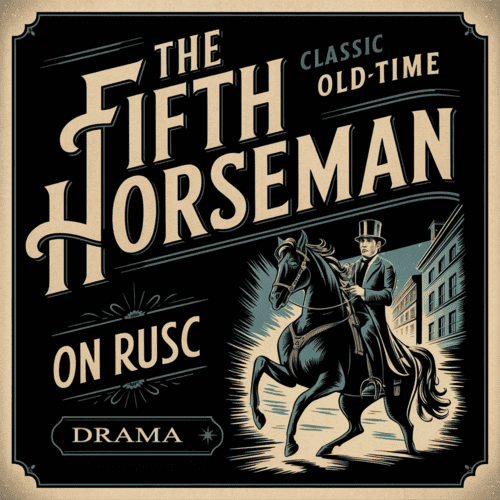
The Fifth Horseman was a short-lived but powerful radio drama series that aired in 1946, produced in the aftermath of the atomic bombings of Hiroshima and Nagasaki. The series was created by writer and producer Arnold Marquis, who sought to dramatize the dangers of nuclear weapons and advocate for their control under an international authority.
Drawing on the biblical imagery of the Four Horsemen of the Apocalypse, Marquis added a “Fifth Horseman” - the threat of nuclear annihilation.
Through a mix of documentary-style realism and speculative fiction, The Fifth Horseman explored the devastating potential of nuclear technology and the geopolitical tensions that threatened to unleash it. The programs ranged from harrowing depictions of the aftermath of an atomic attack to hopeful visions of a future where nuclear power was harnessed for peaceful purposes under global governance.
The Fifth Horseman aired for just eight episodes in the summer of 1946, a pivotal moment in the early Cold War when the United States was pushing for international control of atomic energy. Though the series’ direct political advocacy was not successful in swaying public opinion, The Fifth Horseman stands as a remarkable time capsule of the anxieties and aspirations of the nuclear age.
The Stars
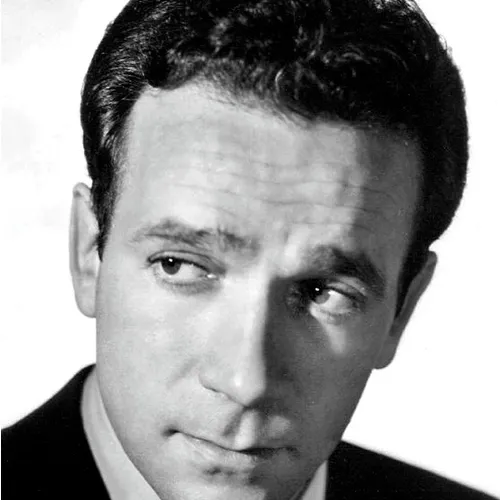
The rotating cast of The Fifth Horseman featured some of the most acclaimed actors of the era. Henry Fonda, known for his everyman screen presence, portrayed a former prisoner of war who witnesses the aftermath of the Hiroshima bombing.
Glenn Ford played a man transported to a future where nuclear power has ushered in a utopian world order.
Dane Clark and J. Carrol Naish also appeared in key roles, bringing dramatic weight to the series’ warnings about the dangers of unchecked nuclear proliferation.
Key Dates
- The Fifth Horseman debuted on July 4, 1946 and ran for eight episodes.
- The final installment aired on August 22, 1946.
Other Information
The series was produced in the immediate aftermath of the atomic bombings of Japan, which had occurred less than a year earlier. It was part of a broader public information campaign in the United States to promote international control of nuclear technology in the early years of the Cold War.
The Fifth Horseman was one of several radio dramas produced in the late 1940s that grappled with the implications of the nuclear age. Other notable series included Atomic Radio Collection, Civil Defense Collection, and Living in an Atomic Age.
While The Fifth Horseman had a relatively short run, its powerful message and high-caliber production values have made it a significant artifact of old-time radio’s engagement with the nuclear threat.
The series’ advocacy for international control of atomic weapons was in line with the United States’ initial post-war policy, which sought to establish the United Nations as the arbiter of nuclear technology.
However, this proposal was ultimately rejected by the Soviet Union, leading to the nuclear arms race that defined much of the Cold War. The Fifth Horseman thus serves as a poignant reminder of the fleeting window of opportunity for global nuclear governance in the aftermath of World War II.