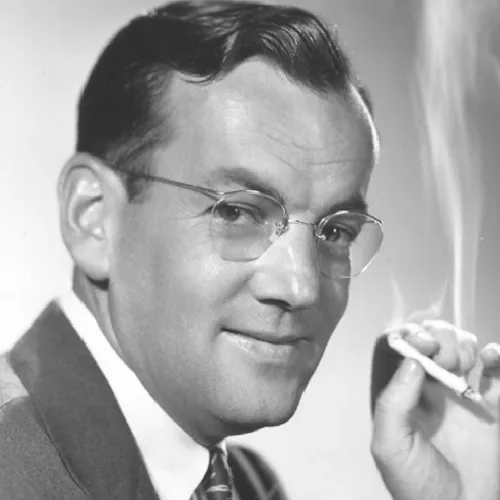
Glenn Miller
Glenn Miller was more than just a bandleader; he was a musical phenomenon who transformed American popular music during the swing era and became a pivotal figure in both civilian entertainment and military morale during World War II. His distinctive sound and innovative approach to big band music would forever change the landscape of American music.
Early Life and Musical Beginnings
Born Alton Glen Miller on March 1, 1904, in Clarinda, Iowa, Miller's musical journey began in the small towns of western Nebraska and Colorado. As a young man, he discovered his passion for music, purchasing his first trombone with money earned from milking cows. By 1916, he had committed to the trombone as his primary instrument.
During his high school years in Fort Morgan, Colorado, Miller's musical ambitions began to take shape. He was not just a musician but also an active student, serving as an editor of his high school yearbook and even playing football, where he was named Best Left End in Colorado in 1921. His dedication to music was so profound that he missed his own high school graduation because he was performing out of town.
Rise in the Music Industry
Miller's professional music career began in earnest when he dropped out of college to pursue his musical dreams. In New York City, he studied composition and arranged his first signature theme, "Moonlight Serenade". Throughout the late 1920s and early 1930s, he worked as a freelance trombonist, playing alongside legendary musicians like Benny Goodman and working with the Dorsey Brothers.
In 1935, Miller assembled his own orchestra, developing a unique sound characterized by a lead clarinet over four saxophones. This innovative arrangement would become a hallmark of his big band style. By 1939, Glenn Miller and his Orchestra had become the best-selling recording band, producing numerous hit records including "Chattanooga Choo Choo".
World War II and Military Service
In 1942, Miller made a remarkable decision to join the US Army, volunteering to serve his country during World War II. He was commissioned as a captain and quickly transformed military music, creating the Major Glenn Miller Army Air Forces Orchestra. His unit broadcast radio programs, performed for troops, and became a significant morale booster.
General James H. Doolittle famously remarked that next to a letter from home, Miller's band was the greatest morale booster in the European Theater. Miller's military musical innovations were so significant that he is considered the father of modern US military bands.
Legacy and Mysterious Disappearance
Tragically, Miller disappeared on December 15, 1944, while traveling to Paris. His plane went missing over the English Channel, creating an enduring mystery. Despite his untimely death, his musical legacy continued. The Glenn Miller Orchestra was authorized in 1946 and continued performing his music.
Miller's impact on music was profound. Jazz critics like Gunther Schuller praised his unique sound, comparing its purity to traditional music from other cultures. Musicians like Frank Sinatra and Mel Tormé spoke highly of Miller's musical influence.
Conclusion
Glenn Miller revolutionized big band music, bridging popular entertainment and military service. His distinctive sound captured the spirit of an era, providing hope and joy during one of the most challenging periods in American history. Though his life was cut short, his music continues to resonate with audiences worldwide.
Works and Appearances
Radio
- I Sustain the Wings broadcast (1943-1944)
- AEFP broadcasts (1944)
- Music from America and Uncle Sam Presents (1944)
Films
- Sun Valley Serenade (1941)
- Orchestra Wives (1942)
Military Broadcasts
- American Band of the AEF
- Swing Shift
- Uptown Hall
- Music for the Wehrmacht (German language broadcasts)
Recordings
- Chesterfield Cigarettes Broadcasts (1942)
- V-Discs at RCA Victor Studios
- Numerous hit records including "Moonlight Serenade" and "Chattanooga Choo Choo"