Glenn Ford
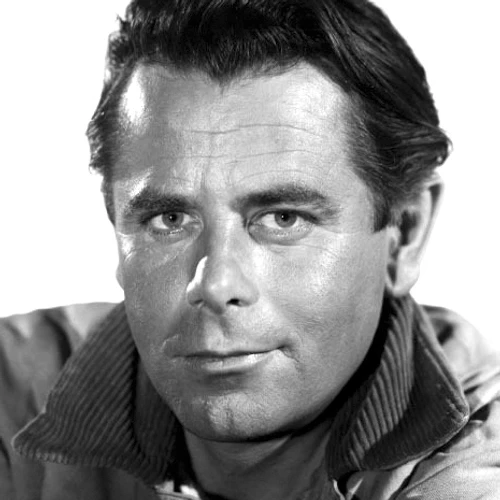
A Canadian-born American actor from Hollywood's Golden Era with a career that spanned seven decades. Despite his versatility, Ford was best known for playing ordinary men in unusual circumstances.
Glenn Ford, born Gwyllyn Samuel Newton Ford, was a multifaceted performer whose talents spanned radio, film, and television. Though primarily known as a Hollywood actor, his contributions to radio broadcasting were significant and often overlooked. This article explores the remarkable career of a man who seamlessly navigated multiple entertainment mediums during the golden age of American media.
Early Life and Radio Beginnings
Born on May 1, 1916, in Canada, Glenn Ford's journey into entertainment began with a supportive family that encouraged his artistic pursuits. While his father advised him to learn practical skills alongside acting, young Ford was already showing promise in school drama productions. His radio career emerged during a time of tremendous media transformation. In 1950, Ford took on a significant radio role that would showcase his versatility. He played the title character in The Adventures of Christopher London, a weekly adventure series that aired on NBC radio network from January 22 to April 30, 1950. This private investigator series demonstrated Ford's ability to captivate audiences through sound alone, a skill that would serve him well in his broader entertainment career.
Radio Appearances and Performances
Ford's radio work was not limited to The Adventures of Christopher London. He made several notable appearances on prestigious radio programs during the 1940s. His radio repertoire included performances on Lux Radio Theatre, a popular anthology series that adapted films and stage plays for radio audiences. Some of his memorable radio appearances included:
- 1942: Lux Radio Theatre - A Man to Remember
- 1946: Lux Radio Theatre - Gallant Journey
- 1947: Suspense - "End of the Road"
- 1947: Lux Radio Theatre - A Stolen Life
- 1949: Lux Radio Theatre - The Mating of Millie
These performances highlighted Ford's versatility and helped establish him as a multi-talented performer during radio's golden era.
Transition to Film and Television
While radio was an important medium for Ford, his true breakthrough came in film. He quickly became one of Hollywood's most prominent actors, starring in numerous genres from Westerns to comedies. His film career was distinguished, with five of his movies selected by the Library of Congress as culturally significant. Ford's television career also flourished. In 1971, he starred in The Glenn Ford Show, a half-hour comedy/drama. He later appeared in various TV series and films, including a notable role as a preacher in a family drama.
Legacy in Entertainment
Glenn Ford's entertainment career was remarkable not just for its breadth, but for its consistency. He was listed among the top box-office stars for 10 consecutive years from 1955 through 1964. His versatility allowed him to excel in comedies, dramas, and Westerns, making him a true Hollywood icon. Beyond entertainment, Ford was also dedicated to military service. He continued his naval reserve duties alongside his acting career, eventually retiring as a captain and receiving multiple military commendations.
Conclusion
Glenn Ford's journey from Canadian-born actor to Hollywood star and radio performer exemplifies the dynamic nature of mid-20th-century American entertainment. His ability to transition between mediums and genres made him a unique and enduring figure in media history.
Works and Appearances
Radio
- The Adventures of Christopher London (1950) - Title Role
- Lux Radio Theatre (Multiple Appearances, 1942-1949)
- Suspense - "End of the Road" (1947)
Film
- Gilda (1946)
- The Big Heat (1953)
- Blackboard Jungle (1955)
- Superman (1978)
Television
- The Glenn Ford Show (1971)
- Family Drama (1975-1976)
- Disaster Documentary Series (1978, Host/Narrator)