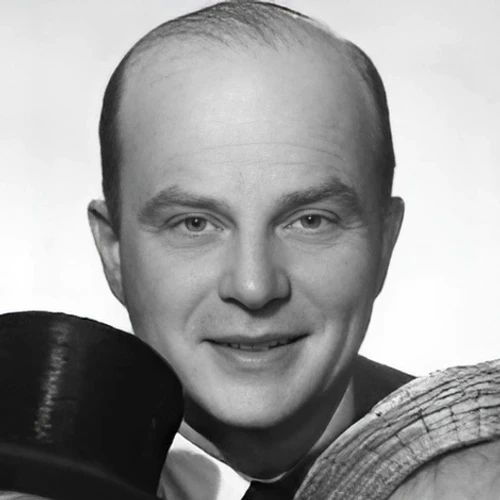
Edgar Bergen
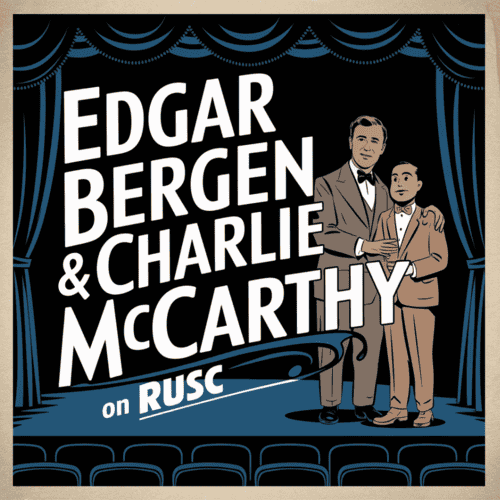
Edgar Bergen was a pioneering figure in the world of radio entertainment, known for his unique blend of ventriloquism and comedy. With his beloved puppet, Charlie McCarthy, Bergen captivated audiences for decades, becoming a household name during the golden age of radio. His innovative approach to performance and his ability to create memorable characters left an indelible mark on the entertainment industry. This article explores Bergen's life, career, and lasting legacy in the world of broadcasting.
Early Life and Background
Born on February 16, 1903, in Chicago, Illinois, Edgar Bergen was the son of Swedish immigrants Nilla Svensdotter and Johan Henriksson Berggren. He grew up on a farm until the age of four, when his family returned to Sweden. After a brief period, they moved back to Chicago, where Bergen began to develop his interest in performance. At the age of eleven, he taught himself ventriloquism from a pamphlet titled The Wizard's Manual. This early fascination with ventriloquism would shape his future career. Bergen's education included a stint at Northwestern University, where he initially enrolled in a pre-med program to satisfy his mother. However, he soon switched to speech and drama, although he never completed his degree. His first public performance took place at the Waveland Avenue Congregational Church, located near his home. This early exposure to the stage ignited his passion for entertainment, leading him to perform at various venues throughout Chicago during the summer months from 1922 to 1925.
Entry Into Radio
Bergen's transition to radio began in the late 1930s, a time when the medium was rapidly gaining popularity. His big break came when he and Charlie McCarthy were spotted at a New York party by Fred Allen, who recommended them for an engagement at the Palace Theatre. This led to their first radio appearance on The Chase and Sanborn Hour on December 17, 1936. The performance was a resounding success, and Bergen quickly became a staple of American radio. The duo's chemistry and comedic timing resonated with audiences, and they became known for their witty banter and engaging skits. Bergen's ability to create distinct personalities for his characters, particularly Charlie McCarthy, who was portrayed as a precocious child, captivated listeners. The show ran for nearly two decades, from 1937 to 1956, under various sponsors and networks, solidifying Bergen's status as a leading figure in radio entertainment.
Notable Radio Shows and Characters
Throughout his radio career, Bergen developed a range of memorable characters, with Charlie McCarthy being the most famous. Charlie was characterized as a debonair, girl-crazy child, often engaging in humorous exchanges that pushed the boundaries of broadcast standards at the time. Other notable characters included the slow-witted Mortimer Snerd and the man-hungry Effie Klinker. Bergen's skill in crafting these personalities was a key factor in the show's success. Bergen's comedic style was marked by his exceptional timing and the clever dialogue he crafted for his characters. Although he was not a technically skilled ventriloquist—often criticized for moving his lips—his charm and wit made him a beloved entertainer. Critics and audiences alike were often surprised by the popularity of a ventriloquist on radio, where the visual aspect of the performance was absent. Bergen's ability to engage listeners through his voice alone was a testament to his talent.
Transition to Other Media
As television began to rise in popularity in the late 1940s, Bergen faced challenges in maintaining his radio audience. In 1948, he announced a temporary retirement from radio due to competition from popular quiz shows. However, he successfully transitioned to television, where he continued to showcase his talents. Bergen's first television appearance was on The Ed Sullivan Show in 1946, and he later starred in his own programs, including The Charlie McCarthy Show and The Edgar Bergen Hour. Bergen also made a significant impact in film, appearing in several movies alongside his puppets. Notable films included Stage Door Canteen (1943) and The Goldwyn Follies (1938), where he received top billing. His work in cinema further solidified his status as a versatile entertainer.
Legacy and Influence
Edgar Bergen's influence on the world of entertainment is profound. He is often credited with popularizing ventriloquism in America and paving the way for future generations of performers. His unique blend of humor and character work set a standard for comedic performance on radio and television. Bergen's ability to connect with audiences through his characters, particularly Charlie McCarthy, created a lasting legacy that continues to inspire comedians and ventriloquists today. Bergen's contributions to the entertainment industry were recognized with numerous awards, including a special Academy Award in 1938 for his creation of Charlie McCarthy. His work has been celebrated in various retrospectives and documentaries, ensuring that his legacy endures in the annals of broadcasting history. In his personal life, Bergen was married to Frances Bergen, with whom he had two daughters, including actress Candice Bergen. Despite his success, Bergen's relationship with his daughter was complicated, as he left her out of his will, bequeathing his beloved puppet Charlie McCarthy a significant sum instead.
Conclusion
Edgar Bergen remains a towering figure in the history of radio and entertainment. His innovative approach to ventriloquism, combined with his sharp comedic sensibilities, made him a beloved figure in American culture. Through his characters, particularly Charlie McCarthy, Bergen not only entertained millions but also shaped the landscape of comedy and performance for years to come. His legacy continues to resonate, reminding us of the power of humor and creativity in connecting with audiences.
Works and Appearances
Radio
- The Chase and Sanborn Hour (1937-1956) - Ventriloquist and comedian
- The Charlie McCarthy Show (1949-1952) - Ventriloquist and comedian
- The Edgar Bergen Hour (1954-1956) - Ventriloquist and comedian
Television
- The Ed Sullivan Show (1946) - Guest appearance
- The Charlie McCarthy Show (1949-1952) - Ventriloquist and comedian
- The Muppet Show (1977) - Guest appearance
Cinema
- The Goldwyn Follies (1938) - Himself
- Stage Door Canteen (1943) - Himself
- The Muppet Movie (1979) - Himself (final appearance)
Other Media
- Mortimer and Charlie (Comic Strip, 1939-1940) - Creator and writer
- NBC Parade of Stars (1947) - Featured in promotional material
Edgar Bergen's contributions to radio, television, and film have left an enduring legacy that continues to influence entertainers today. His unique talent and creativity have secured his place in the history of American entertainment.
Heard in