Ed Sullivan
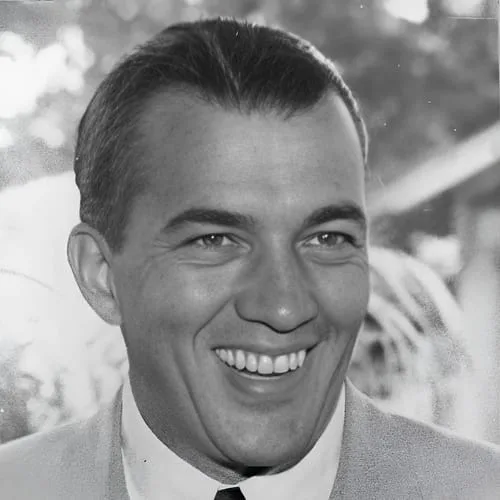
Ed Sullivan was far more than just a television host; he was a cultural phenomenon who shaped American entertainment for over two decades. With his unique, stiff demeanor and an uncanny ability to recognize emerging talent, Sullivan transformed the landscape of popular culture from the late 1940s through the early 1970s.
Early Life and Journalistic Beginnings
Born Edward Vincent Sullivan on September 28, 1901, in New York City, Sullivan emerged from humble beginnings. Growing up in a working-class Irish-American family, he displayed remarkable athletic prowess in high school, earning 12 letters and captaining multiple sports teams. His early experiences with integrated sports teams instilled in him a progressive attitude toward racial equality that would later define his professional approach. Sullivan's journalistic career began early, writing sports news while still in high school. He worked for numerous newspapers, including The Port Chester Daily Item, The Hartford Post, and The New York Evening Graphic. By 1929, he had become a Broadway columnist for The Daily Mirror, establishing himself as a prominent entertainment journalist.
Transition to Entertainment and Broadcasting
Throughout the 1920s and 1930s, Sullivan dabbled in entertainment production, organizing vaudeville shows and appearing as a master of ceremonies. His entry into broadcasting came in 1941 when he became the host of a variety program on radio. However, his true breakthrough would come with television. In 1948, Sullivan launched Toast of the Town, which was renamed The Ed Sullivan Show in 1955. The program would become a landmark in television history, running until 1971 and setting a record as the longest-running variety show in U.S. broadcast history. Despite his notoriously awkward on-camera presence—described by Time magazine as resembling "a cigar-store Indian"—Sullivan became a beloved national figure.
Cultural Impact and Progressive Stance
Sullivan's show was revolutionary in its inclusivity and diversity. He was notably ahead of his time in featuring Black entertainers, presenting performers like Nat King Cole, Sammy Davis Jr., and James Brown when many other shows would not. He famously defied sponsor pressure and racist attitudes, once stating, "As a Catholic, it was inevitable that I would despise intolerance". His program became a cultural touchstone, introducing American audiences to groundbreaking acts like Elvis Presley and The Beatles. The Beatles' first appearance on his show in 1964 was watched by an unprecedented television audience. Sullivan's commitment to live musical performances and diverse entertainment made his show a must-watch for millions of Americans.
Legacy and Personal Characteristics
Despite his seemingly wooden persona, Sullivan possessed a remarkable sense of humor about himself. He encouraged comedians and impressionists to parody his distinctive mannerisms, demonstrating a rare self-awareness. His approach to entertainment was democratic: "I've never asked a performer his religion, his race or his politics," he once said. Sullivan passed away on October 13, 1974, leaving behind a transformative legacy in American entertainment. He was ranked 50th on TV Guide's "50 Greatest TV Stars of All Time" in 1996, a testament to his enduring cultural significance.
Works and Appearances
Radio
- Variety Program (1941)
Television
- Toast of the Town (1948-1955)
- The Ed Sullivan Show (1955-1971)
- Numerous guest appearances and self-parodies
Film
- New York Nights (1933, as himself)
- Various film appearances as himself
Live Performances
- Vaudeville shows (1920s-1930s)
- Master of Ceremonies for various events
Ed Sullivan was more than a television host—he was a cultural curator who democratized entertainment, broke racial barriers, and brought the world's most exciting performers into America's living rooms.