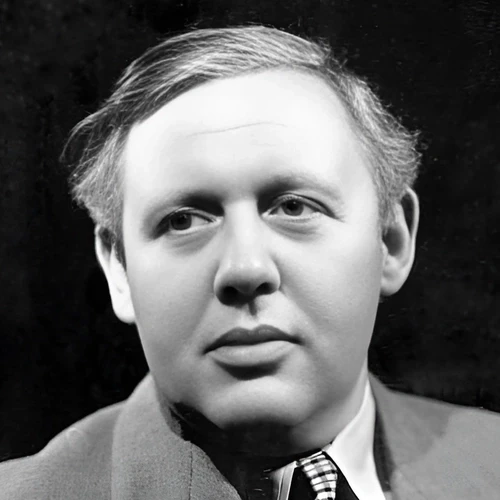
Charles Laughton was a towering figure in 20th-century entertainment, renowned for his extraordinary versatility and profound acting talent that spanned stage, screen, and radio. His remarkable ability to transform himself made him one of the most distinctive performers of his generation.
Early Life and Theatrical Beginnings
Born on July 1, 1899, in Scarborough, North Riding of Yorkshire, Charles Laughton emerged from a family of hotel keepers. Despite his initial work in the family business, Laughton harbored a deep passion for performance. In 1925, he was permitted by his family to become a drama student, marking the beginning of his artistic journey.
Rise to Theatrical Prominence
Laughton's professional acting debut came on April 28, 1926, at the Garrick Theatre, where he played Osip in The Government Inspector. His talent quickly became apparent, and he impressed audiences with classical roles in Chekov plays like The Cherry Orchard and The Three Sisters. By 1928, he was playing lead roles in significant productions, including Harry Hegan in a world premiere and title roles in adaptations of Arnold Bennett's works.
Expanding into Radio and Spoken Word
While Laughton is primarily remembered for his film career, he made significant contributions to audio performance. His extraordinary voice found a unique platform in spoken word recordings. In 1934, he began appearing on Voice of the Stars records, featuring soundtrack snippets from top films. One of his most notable audio achievements was his one-man album of Charles Dickens's Mr. Pickwick's Christmas, a twenty-minute spoken word recording first released in 1944. This recording showcased Laughton's remarkable ability to bring literary characters to life through sound alone.
Legacy in Audio Performance
In 1962, the year of his death, Laughton released The Story Teller: A Session with Charles Laughton, a two-LP album compiled from his one-man stage shows. This album won a Grammy Award and featured dramatic readings that were so compelling that three excerpts are still broadcast annually on a radio program.
Conclusion
Charles Laughton's audio work demonstrated his extraordinary range as a performer. Beyond his celebrated film career, he was a masterful storyteller who could captivate audiences through voice alone, bridging the worlds of theatre, cinema, and radio with his remarkable talent.
Works and Appearances
Radio and Audio Recordings
- Voice of the Stars Records (1934-1938)
- Featured in recordings from films like The Private Life of Henry VIII, Mutiny on the Bounty
Mr. Pickwick's Christmas (1944)One-man audio adaptation of DickensThe Story Teller: A Session with Charles Laughton (1962)Grammy Award-winning compilation of dramatic readingsSpoken Word Recordings
- Lincoln's Gettysburg Address (1937)
- Various dramatic readings and storytelling performances