Bernard Herrmann
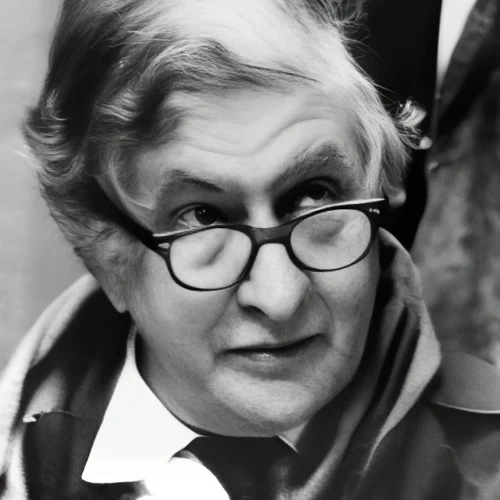
Bernard Herrmann was a revolutionary composer whose innovative approach transformed both radio broadcasting and film scoring in the mid-20th century. A musical genius with an uncompromising artistic vision, Herrmann became one of the most influential sound architects of his era, leaving an indelible mark on American media and entertainment.
Early Life and Musical Beginnings
Born Maximillian Herman on June 29, 1911, in New York City, Bernard Herrmann emerged from a middle-class Russian-Jewish family with a deep appreciation for music. His father encouraged his musical interests, taking young Bernard to the opera and supporting his early musical explorations. By age thirteen, Herrmann had already won a composition prize, signaling his extraordinary talent. Herrmann's formal musical education was rigorous and comprehensive. He studied at the Juilliard School and New York University, developing a distinctive compositional style that would later set him apart from his contemporaries. At just twenty years old, he demonstrated remarkable ambition by forming his own New Chamber Orchestra of New York, showcasing his leadership and musical vision from an early age.
Pioneering Radio Conductor and Innovator
In 1934, Herrmann joined the CBS Radio network as a staff conductor, quickly becoming a transformative figure in radio broadcasting. Within two years, he was appointed music director of an experimental radio drama series, a role that would highlight his innovative musical approach. By 1943, he had become chief conductor, renowned for introducing audiences to new and rarely performed musical works. Herrmann's radio programs were unconventional and groundbreaking. Shows like Invitation to Music and Exploring Music featured eclectic musical selections that challenged traditional programming. He championed composers who were virtually unknown at the time, particularly Charles Ives, and was responsible for numerous American broadcast premieres of significant musical works.
Transition to Film and Collaborative Genius
Herrmann's radio success naturally led him to film scoring, where he would truly revolutionize musical composition. His first film score for Orson Welles'Citizen Kane in 1941 earned him an Academy Award nomination and established him as a unique voice in cinematic music. His collaboration with Welles extended across multiple projects, demonstrating his ability to create music that was intrinsically linked to narrative storytelling. His most famous collaboration was with Alfred Hitchcock, for whom he composed scores for seven films between 1955 and 1964. Herrmann's music for Vertigo and Psycho are considered masterpieces, with the latter's iconic shower scene music becoming one of the most recognizable film scores in history. His approach was revolutionary - using music not just as accompaniment, but as a critical storytelling element that conveyed psychological depth.
Legacy and Lasting Influence
Bernard Herrmann's impact on music extends far beyond his own lifetime. He is widely regarded as one of the greatest film composers, influencing generations of musicians including Danny Elfman, John Williams, and Hans Zimmer. His philosophy of musical composition was deeply personal - he believed that film music should stand independently and reflect the emotional core of a narrative. Herrmann's final film score was for Martin Scorsese'sTaxi Driver in 1976, which he completed just days before his death on December 24, 1975. Even in his final work, he maintained his reputation for creating music that was both innovative and emotionally profound.
Conclusion
Bernard Herrmann was more than a composer; he was a musical revolutionary who transformed how sound could be used to tell stories. His uncompromising artistic integrity and innovative approach made him a pivotal figure in 20th-century media, bridging the worlds of radio, film, and concert music with extraordinary skill and vision.
Works and Appearances
Radio
- Invitation to Music (CBS Radio, 1940s)
- Exploring Music (CBS Radio, 1940s)
- Various experimental radio drama series (1934-1943)
Film Scores
- Citizen Kane (1941)
- The Devil and Daniel Webster (1941)
- Vertigo (1958)
- Psycho (1960)
- Taxi Driver (1976)
Television
- Alfred Hitchcock Presents (Sound Consultant, 1963-1965)
- Various CBS television specials (1950s-1960s)
Concert Works
- Symphony (1941)
- Welles Raises Kane (1943)
- Souvenirs de Voyage (1967)
Heard in