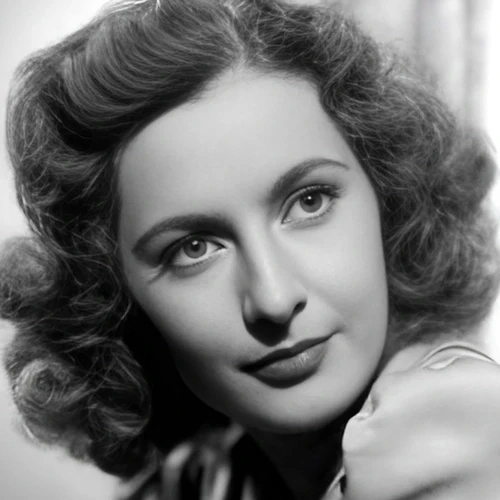
In the pantheon of Hollywood's most versatile and enduring performers, Barbara Stanwyck stands as a towering figure who transcended the boundaries of film, radio, and television. Born Ruby Catherine Stevens in 1907, she would become one of the most respected and dynamic actresses of the 20th century, leaving an indelible mark on American entertainment.
From Nightclubs to Stardom
Stanwyck's journey to fame began in the most unlikely of places. Orphaned before she could attend school, she found inspiration in the silent film star Pearl White, whom she would later describe as her "goddess". Her early career took root in the rough-and-tumble world of New York nightclubs, where she danced in establishments frequented by mafia gangsters. At just 15, she performed at the El Fey Nightclub, a breeding ground for emerging talent. Her resilience and tough spirit, forged in these challenging early years, would become a hallmark of her on-screen persona. By 16, Stanwyck had transitioned to more mainstream performances, catching the eye of playwright Willard Mack, who not only gave her a stage role but also christened her with her now-famous stage name .
Breaking Ground in Radio and Film
Stanwyck's radio career was as illustrious as her film work. She made 16 appearances on the LUX Radio Theatre between 1936 and 1943, bringing her cinematic performances to life for radio audiences. Shows like Stella Dallas, Remember the Night, and Ball of Fire showcased her remarkable vocal range and dramatic skills. Her film career was equally remarkable. Stanwyck worked extensively with legendary directors like Frank Capra and William Wellman, appearing in classics such as Ladies of Leisure (1930), Baby Face (1933), and Double Indemnity (1944). Despite being nominated four times for an Academy Award, she never won - though she was ultimately honored with an honorary Oscar in 1982.
Television Triumph and Later Career
In the 1950s, Stanwyck successfully transitioned to television, proving her adaptability as a performer. She hosted her own anthology series, The Barbara Stanwyck Show (1960-1961), winning a Primetime Emmy Award for Outstanding Lead Actress. Her role as Victoria Barkley in The Big Valley (1965-1969) further cemented her television legacy, earning her additional Emmy nominations.
Legacy and Impact
Barbara Stanwyck was more than just an actress; she was a pioneering force in entertainment. Her ability to portray complex, multifaceted women set her apart from her contemporaries. From tough-talking characters in film noir to compassionate matriarchs on television, she brought depth and authenticity to every role. Her influence extended beyond her performances. She was a trailblazer for women in the entertainment industry, navigating a male-dominated field with intelligence, skill, and unwavering professionalism. On February 8, 1960, she received a star on the Hollywood Walk of Fame, a testament to her enduring impact.
Works and Appearances
Radio
- LUX Radio Theatre (1936-1943)
- 16 total appearances
- Notable adaptations: Stella Dallas, Remember the Night, Ball of Fire
Television
- The Barbara Stanwyck Show (1960-1961)
- Lead role, 36 episodes
- Won Primetime Emmy Award for Outstanding Lead Actress – Drama Series
The Big Valley (1965-1969)Lead role as Victoria Barkley, 112 episodesEmmy nominations in 1967 and 1968The Thorn Birds (1983)Role: Mary CarsonWon Golden Globe Award for Best Supporting ActressFilm Highlights
- Ladies of Leisure (1930)
- Baby Face (1933)
- Stella Dallas (1937) - Academy Award Nomination
- Double Indemnity (1944) - Academy Award Nomination
- Ball of Fire (1941) - Academy Award Nomination
- Sorry, Wrong Number (1948) - Academy Award Nomination
Barbara Stanwyck passed away in 1990, leaving behind a legacy that continues to inspire generations of performers. Her remarkable journey from a young chorus girl to a Hollywood icon remains a testament to talent, perseverance, and transformative artistry.