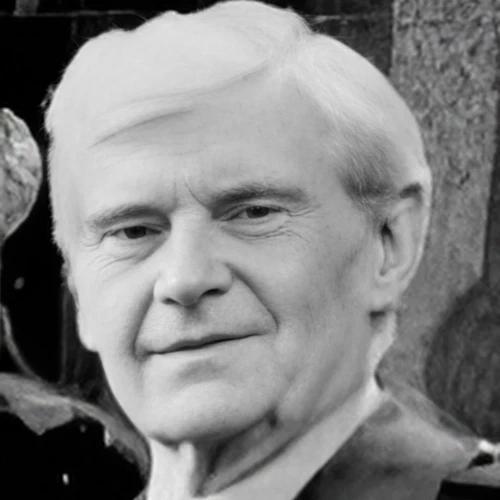
Arthur Peterson
Arthur Peterson was a versatile character actor whose career spanned radio, television, film, and theater, leaving an indelible mark on mid-20th century entertainment. From his early days in radio to his memorable television roles, Peterson embodied the quintessential character actor who could bring depth and nuance to every performance.
Early Life and Roots in Performance
Born on November 18, 1912, in Mandan, North Dakota, Arthur Peterson Jr. discovered his passion for performance early in life. He pursued his artistic ambitions by obtaining a degree in theater from the University of Minnesota, laying the groundwork for what would become a remarkable career in entertainment. During World War II, Peterson served in the Third Army, an experience that would undoubtedly shape his understanding of character and storytelling. Peterson's entry into professional acting began in 1937 with a central role in a radio serial, marking the start of his long and diverse career in broadcasting. His early work demonstrated a remarkable versatility that would become his trademark throughout his professional journey.
The Golden Age of Radio
During the golden era of radio, Peterson became a prolific performer, portraying a wide range of characters across multiple programs. He brought to life memorable roles such as Wilton Comstock, Bill Baxter on The Baxters, Judge Parsons on The Tom Mix Ralston Straightshooters, and John Ruthledge in various productions. In June 1948, he appeared in the initial episode of a significant radio anthology, further cementing his reputation as a skilled radio performer. His radio work was characterized by a keen ability to inhabit diverse characters, showcasing his remarkable range and vocal versatility. Peterson could seamlessly transition between dramatic and comedic roles, a skill that made him a sought-after performer during radio's most vibrant period.
Expanding Horizons: Stage, Television, and Film
While radio remained his primary medium, Peterson was not content to be confined to a single platform. His stage work included notable appearances in plays like Inherit the Wind, demonstrating his theatrical prowess. In television, he made guest appearances in various shows, including Western series where he portrayed characters with depth and authenticity. Peterson's film career, though sporadic, included roles in movies such as Yours, Mine and Ours (1968) and Targets (1977). However, it was his television role as the Major in the sitcom Soap (1977-1981) that brought him widespread recognition.
Later Career and Creative Pursuits
In the latter part of his career, Peterson developed a unique one-man show titled Robert Frost: Fire and Ice, which he co-authored with June August. This biographical piece about the famous poet became a significant part of his artistic legacy. From 1981 to 1991, he toured the United States with this production, alternating with performances of The Gin Game alongside his wife, Norma Ransom. Peterson's commitment to his craft extended beyond performance. He was a guest artist at George Mason University, where he taught acting classes and developed original materials. His dedication to the art of performance remained unwavering throughout his career.
Legacy and Final Years
Arthur Peterson retired from acting in 1991, leaving behind a rich legacy of performance across multiple mediums. He passed away on October 31, 1996, in Los Angeles, California, at the age of 83, succumbing to Alzheimer's disease.
Works and Appearances
Radio
- The Tom Mix Ralston Straightshooters - Judge Parsons
- Destination Freedom - Various roles (1948)
Television
- Soap (1977-1981) - The Major
- Gunsmoke - Multiple roles (1960-1966)
Film
- Yours, Mine and Ours (1968) - Priest
- Targets (1968) - Ed Loughlin
- Rollercoaster (1977) - Owner #4
Theater
- Inherit the Wind
- Robert Frost: Fire and Ice (One-man show, 1981-1991)
- The Gin Game
Arthur Peterson exemplified the versatility and talent of mid-century performers, seamlessly moving between radio, stage, television, and film, and leaving an enduring impression on American entertainment.