Alan Ladd
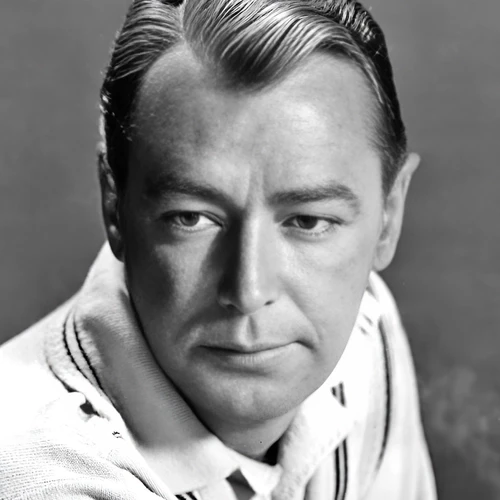
An American film actor and one of the most popular and well-known celebrities of the 1940s and the first half of the 1950s.
Alan Ladd was more than just a Hollywood icon; he was a multifaceted performer whose radio career played a crucial role in his rise to stardom. Before becoming a celebrated film actor, Ladd honed his craft in the dynamic world of radio broadcasting, developing a distinctive voice and performance style that would later define his cinematic persona.
Early Life and Radio Beginnings
Born in Hot Springs, Arkansas, on September 3, 1913, Alan Walbridge Ladd discovered his passion for performance early. After struggling to break into film, Ladd turned to radio as a promising alternative medium. In 1936, he began working at radio station KFWB, where he quickly became known for his versatility and vocal range. During this period, Ladd worked tirelessly, performing in as many as 20 shows per week, a testament to his work ethic and adaptability. Ladd's radio career was characterized by his ability to inhabit multiple characters and roles. His rich, deep voice—which he had deliberately cultivated—made him an ideal radio performer. Talent agent Sue Carol discovered Ladd while he was performing on radio, simultaneously playing a father and son, which impressed her with his vocal flexibility and range.
Notable Radio Performances and Breakthrough
Throughout the late 1930s and early 1940s, Ladd became a regular presence on various radio programs. He appeared on prestigious shows like Lux Radio Theatre, where he would dramatize film narratives, and Screen Directors Playhouse. His radio work was not merely a side gig but a serious professional pursuit that helped establish his reputation in the entertainment industry. In 1948, Ladd took a significant step by starring in and producing Box 13, a regular weekly radio series that ran for 52 episodes. This series demonstrated his growing confidence and ambition in the radio medium, showcasing his ability to not just perform but also produce content.
Transition to Film and Continued Radio Involvement
While radio was instrumental in launching Ladd's career, it was his film roles that ultimately made him a household name. However, he continued to maintain a connection with radio even after achieving film success. He frequently appeared in radio dramatizations of his movies, helping to cross-promote his film work and maintain his radio audience. Ladd's radio performances were characterized by a cool, understated delivery that would become his trademark in film noir and Western genres. His ability to convey complex emotions with minimal vocal inflection made him a compelling radio performer and later a distinctive film actor.
Legacy in Broadcasting
Although Ladd is primarily remembered as a film star, his radio career was foundational to his success. He understood radio as more than just a stepping stone—it was a sophisticated medium that required skill, versatility, and a deep understanding of storytelling through sound. By the early 1950s, as television began to emerge, Ladd's radio work became less frequent. However, his contributions to the medium helped shape the landscape of entertainment broadcasting during a pivotal era of American media.
Conclusion
Alan Ladd's radio career was a critical chapter in his artistic journey, providing him with performance skills, industry connections, and a platform to showcase his talent. His transition from radio performer to Hollywood star represents a quintessential narrative of mid-20th century American entertainment.
Works and Appearances
Radio
- Lux Radio Theatre (Multiple episodes, 1939-1950)
- Screen Directors Playhouse (Multiple episodes, 1949-1951)
- Box 13 (52 episodes, 1948-1949, star and producer)
- Suspense (Multiple episodes, 1944-1950)
Film
- This Gun for Hire (1942)
- Shane (1953)
- The Carpetbaggers (1964, released posthumously)
Television
- General Electric Theater (3 episodes, 1954-1958)
- The Bob Cummings Show (2 episodes, 1957-1958)
Heard in