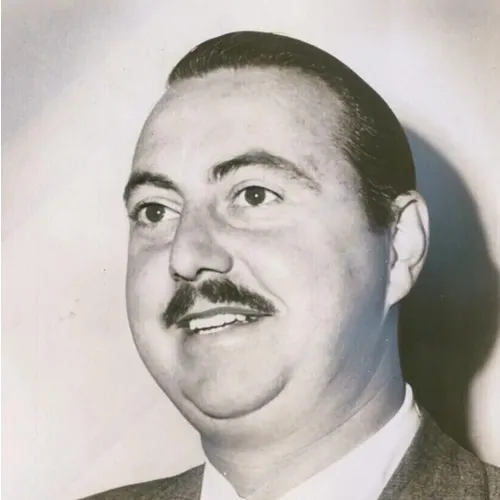
Willard Waterman was an American actor best known for his work in radio, film, and television. His career spanned several decades, and he gained particular recognition for his ability to capture comedic timing and endearing character portrayals, especially in radio broadcasting.
Early Life and Education
Willard Lewis Waterman was born on April 16, 1914, in Washington, D.C. From a young age, he displayed an interest in performance and storytelling. He pursued education that complemented his natural talent for acting and speaking, which would later serve him in radio and stage work.
Radio Career
Waterman’s most prominent role came in the 1940s when he succeeded Don Wilson as the announcer and voice of The Great Gildersleeve, a popular radio comedy series. His portrayal helped sustain the show’s popularity and demonstrated his skill at blending humor with a natural, engaging voice. In addition to The Great Gildersleeve, Waterman performed in various other radio programs, including comedy and variety shows, showcasing his versatility as a performer and announcer. His voice work became familiar to listeners across the country during the golden age of radio.
Film, Television, and Later Work
Beyond radio, Waterman appeared in films and television series, often in supporting or character roles. He brought his radio experience into television, participating in early adaptations of radio programs and other series. His on-screen performances were noted for their warmth, comedic timing, and professionalism. Waterman also contributed to voice acting for animated productions, further demonstrating his adaptability across entertainment mediums.
Personal Life and Legacy
Waterman married Margaret Graham, and together they had a family. He passed away on July 4, 1995, leaving a legacy as a talented radio and screen performer. Willard Waterman is remembered for his work on The Great Gildersleeve, as well as his broader contributions to radio, film, and television. His ability to adapt his performance style to different media helped define the standards for comedic and character acting in mid-20th-century American entertainment.
Works and Appearances
Radio
- The Great Gildersleeve
- Various comedy and variety programs during the 1940s and 1950s
Film
- Supporting roles in various films throughout the 1940s–1960s
Television
- Early TV adaptations of radio programs
- Guest appearances in comedies and series during the 1950s–1960s
Voice Acting
- Animated productions (dates and titles unspecified)