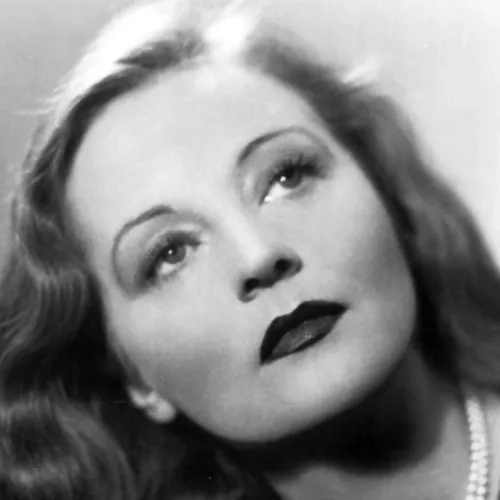
Tallulah Bankhead
Tallulah Bankhead was an iconic American actress whose career spanned radio, stage, film, and television, leaving an indelible mark on 20th-century entertainment. Known for her larger-than-life personality, raspy voice, and fearless presence, she became a cultural symbol of boldness and wit. Her contributions to old-time radio showcased her distinctive voice and magnetic charisma, captivating listeners and elevating the medium.
Early Life and Theatrical Roots
Born Tallulah Brockman Bankhead on January 31, 1902, in Huntsville, Alabama, she was the daughter of William B. Bankhead, a prominent politician who served as Speaker of the United States House of Representatives, and Fannie Brockman Bankhead. Growing up in a politically influential household exposed her to public life early, while her Southern upbringing instilled a sense of confidence and poise that would define her stage presence. Bankhead’s theatrical journey began when she moved to New York City in 1918. Her first forays into performance were in minor stage productions, but she quickly attracted attention for her commanding presence and emotive delivery. By the early 1920s, she had established herself in both the New York and London theater scenes, gaining acclaim for her performances in plays like The Dancers and The Little Foxes. Her theatrical success laid the foundation for her later work in radio, where her voice alone could convey a remarkable range of emotion and character.
Radio and Media Career
Bankhead’s entrance into radio leveraged her signature voice, renowned for its husky timbre and dramatic flair. She became a sought-after performer in the 1930s and 1940s, appearing on programs such as The Ford Lucille Ball-Desi Arnaz Show, where her larger-than-life persona translated effortlessly to the audio medium. Her ability to convey humor, tension, and seduction through voice alone made her a favorite among radio audiences, adding a new dimension to the roles she had already mastered on stage. Her radio work extended beyond dramatic performances. Bankhead also engaged in public service broadcasts and interviews, using her fame to lend gravitas and immediacy to contemporary issues. Her versatility in radio demonstrated her capacity to navigate different genres while maintaining the magnetic presence that had defined her theatrical career.
Film and Stage Achievements
While Bankhead was celebrated for her radio and stage performances, her film work also cemented her status as a cultural icon. She starred in productions such as Tarnished Lady (1931) and Alfred Hitchcock’s Lifeboat (1944), where her compelling screen presence and unique voice captivated cinema audiences. Despite her occasional clashes with studio executives, Bankhead’s bold choices and unapologetic personality ensured that she left a lasting impression on Hollywood. Her stage career remained the cornerstone of her artistic identity. She delivered critically acclaimed performances in productions including The Little Foxes (1939) and Private Lives, earning a reputation as one of Broadway’s most magnetic leading ladies. Even in her later years, she returned repeatedly to the stage, defying the conventional limitations placed on actresses of her age and maintaining her celebrated vitality and wit.
Personal Life and Public Persona
Tallulah Bankhead’s personal life was as vivid as her professional career. She married actor John Emery in 1937, though the union ended in divorce in 1941. Known for her flamboyant lifestyle, Bankhead openly embraced her sexuality and was a prominent social figure, forming connections with writers, actors, and political figures. Her political engagement included supporting progressive causes and advocating for civil liberties, reflecting her willingness to combine personal expression with public advocacy. Bankhead’s struggles with addiction and health issues later in life did little to diminish her public appeal. Her wit, charm, and unapologetic approach to fame made her a beloved and enigmatic figure, whose legacy continues to inspire admiration and fascination.
Legacy and Influence
Tallulah Bankhead’s influence extends across multiple facets of 20th-century entertainment. She was a trailblazer in radio, demonstrating the power of voice and personality in captivating audiences. Her stage performances set a benchmark for theatrical excellence, while her film appearances provided a template for bold, independent female characters in Hollywood. Today, she is remembered as a symbol of courage, wit, and artistic daring, with a legacy that continues to resonate in both popular culture and theatrical circles.
Works and Appearances
Radio
- The Ford Lucille Ball-Desi Arnaz Show – 1950s
Stage
- The Dancers – Early 1920s
- The Little Foxes (1939)
- Private Lives
- Various Broadway and London productions (1918–1968)
Film
- Tarnished Lady (1931)
- Lifeboat (1944)
- Other Hollywood films (1931–1950s)
Television
- Guest appearances in talk shows and variety programs (1950s–1960s)
Tallulah Bankhead remains a towering figure in American entertainment, whose fearless approach to life and art continues to inspire admiration across generations. Her contributions to radio, stage, and film exemplify the interplay between talent, personality, and cultural impact, making her a lasting icon of 20th-century performance.
Heard in